S.A.F.E. in Oklahoma City: Substance Abuse Counseling and Education for Individuals and Families
S.A.F.E. (Substance Abuse Foundation For Education) is a nonprofit counseling and education organization in Oklahoma City that combines individual substance abuse treatment with preventive education programming for families and youth seeking to avoid or address addiction.
What S.A.F.E. actually is
S.A.F.E. operates as both an outpatient treatment provider and a prevention-focused education nonprofit, meaning it serves two overlapping populations: people in active recovery from substance use disorders and families or schools looking to build protective knowledge before addiction develops. This dual mission shapes everything from its service menu to its funding model. Unlike clinical-only treatment centers, S.A.F.E. integrates evidence-based counseling with community education workshops, youth peer-support curricula, and family harm-reduction guidance.
The organization is rooted in Oklahoma City's public health infrastructure but operates with limited state and federal funding, relying partly on sliding-scale fees and private donations. Its scope covers the Oklahoma City metro and surrounding areas, with most services available to adults, adolescents, and families regardless of insurance status.
Services and pricing
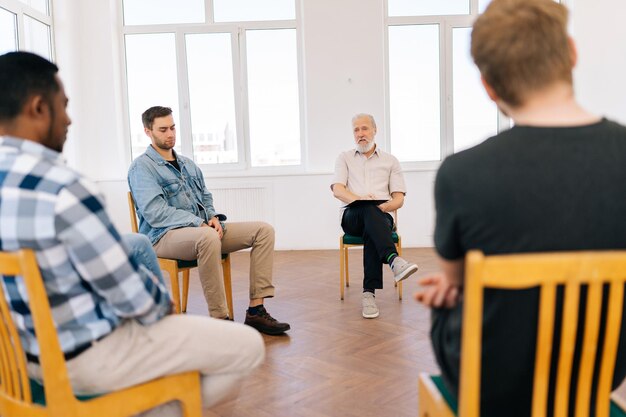
S.A.F.E. offers individual and group counseling for people dealing with alcohol, opioid, and other substance dependencies. Sessions are typically 50 minutes and conducted by licensed counselors or social workers. Individual outpatient counseling is available on a sliding-fee scale, usually ranging from $20 to $80 per session depending on household income; the organization verifies income to assign the appropriate tier. Group sessions, held on weekday evenings and some weekend times, cost less than individual sessions (often $10 to $30 per group depending on frequency of attendance).
Family counseling, which addresses how a loved one's addiction affects household dynamics and communication, is also offered on a sliding scale. Intake assessments (required before treatment begins) cost $40 to $60 on the sliding scale and typically take 90 minutes; they include screening, history-taking, and a treatment plan recommendation.
Education workshops for schools and youth organizations (drug awareness, peer pressure resistance, opioid information) are negotiated per contract, often free or low-cost for public schools. Verify current fees by contacting S.A.F.E. directly, as sliding scales and group schedules shift seasonally.
How S.A.F.E. compares to other Oklahoma City options
Oklahoma City has several substance abuse counseling pathways: hospital-based addiction medicine programs (like those at OU Health or Integris), larger regional treatment centers (some offering inpatient detox), and independent counselors specializing in addiction. S.A.F.E. differs in affordability and accessibility. Most hospital systems charge higher per-session fees even with insurance, and inpatient programs require upfront payment or insurance verification that can delay entry. Standalone private counselors in Oklahoma City typically charge $100 to $150 per session on a fee-for-service basis with limited sliding-scale availability.
S.A.F.E. is better suited to people without insurance or with limited budgets, or those seeking evening and weekend group options rather than weekday-only appointments. Choose S.A.F.E. if you value community-based, education-integrated care and can manage outpatient counseling; choose a hospital system or inpatient center if you need medical detoxification, psychiatric medication management, or structured residential treatment.
Who S.A.F.E. suits and who it does not suit
S.A.F.E. is strongest for adolescents, adults, and families managing mild to moderate substance use issues while living at home, employed or in school, and able to attend regular outpatient appointments. Its sliding scale and prevention programming appeal to people with low or variable income and parents seeking early intervention resources.
S.A.F.E. is not designed for people in acute withdrawal, those requiring psychiatric hospitalization, or individuals needing 24-hour medical supervision. If you are currently using heavily, experiencing suicidal thoughts, or have untreated mental illness alongside addiction, a hospital ER or crisis line is the appropriate first step; S.A.F.E. can follow as part of ongoing care.
What a first visit involves
Call or visit S.A.F.E. to schedule an intake appointment. During intake, a counselor will ask about substance use history, medical background, family dynamics, housing, employment, and what prompted you to seek help now. Expect to complete paperwork on income (for sliding-scale assignment) and sign consent forms. The counselor will ask if you have a mental health diagnosis, legal involvement, or support system; they use this to draft a personalized treatment plan recommending session frequency (often weekly or biweekly), group or individual format, and any referrals to psychiatric care or legal aid.
Bring a photo ID and proof of income (recent pay stub, tax return, or statement of benefits); if you do not have these, S.A.F.E. can issue a waiver and determine your fee during the appointment. Allow 90 minutes for the first visit. Group counseling typically begins the following week, while individual slots may start sooner depending on counselor availability.
Hours, parking, and logistics
S.A.F.E. operates from a central location in Oklahoma City. Hours vary by service: individual counseling appointments are usually available Monday to Thursday 9 a.m. to 6 p.m. and some Friday morning slots; group sessions run weekday evenings (typically 6 to 7:30 p.m.) and Saturday morning. Verify current hours and specific group schedules when you call, as evening groups rotate by topic and attendance-based demand.
Parking is available on-site or on the adjacent street; the building is accessible and has a waiting area. Public transit is limited in that part of Oklahoma City, so personal transportation is practical. Telehealth counseling is available if in-person visits are difficult to arrange.
S.A.F.E.'s position as a nonprofit counseling and education provider, combined with its affordability and evening availability, makes it a natural entry point for Oklahomans seeking substance abuse help without the cost and institutional setting of a hospital system.