Where to Stay Beyond Downtown Oklahoma City
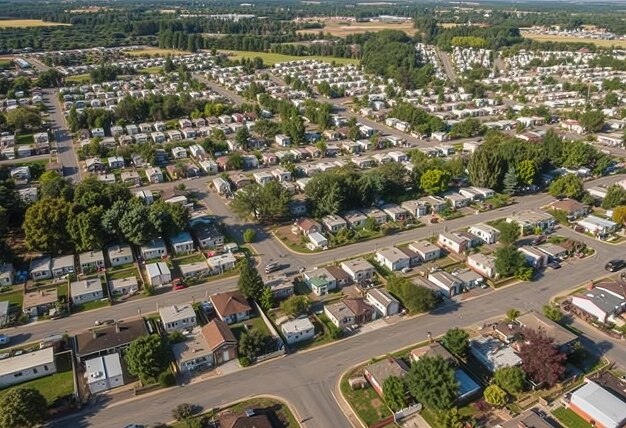
If your plans center on Oklahoma City proper, you've already narrowed your lodging search significantly. But the metro area extends well beyond the city limits, and choosing a suburb over downtown involves real trade-offs: proximity to specific attractions, drive times to the airport, access to different dining and entertainment districts, and what you're paying per night.
This guide covers the practical geography of staying in Oklahoma City's suburbs, how each area serves different travelers, and what to expect in terms of distance and character.
The Airport Corridor and Will Rogers World
Will Rogers World Airport sits roughly 6 miles south of downtown, making it the natural reference point for many visitors. The areas immediately surrounding the airport—primarily south and southeast—are dominated by hotel chains clustered near the runways.
Norman, the university town directly south of the airport, represents a different choice entirely. Home to the University of Oklahoma, Norman has a defined downtown with local restaurants and retail, plus university-related attractions like the Sam Noble Oklahoma Museum of Natural History. Hotels here sit 8 to 12 miles from downtown Oklahoma City, a 15- to 20-minute drive depending on traffic. You'll trade quick airport access for a more self-contained community feel; Norman visitors often don't drive into the city center at all. Room rates in Norman tend to undercut downtown by $15 to $30 per night for comparable chain hotels, though you lose walkability to the Bricktown district and the Chickasaw Cultural Center.
The immediate airport vicinity—areas like Tinker/Midwest City to the east—puts you 5 minutes from arrivals and departures but offers little reason to linger. These are overnight-stay neighborhoods, useful for early flights but offering minimal dining or activity beyond chain restaurants.
The North and Northwest: Edmond and Bethany
Edmond, directly north of downtown (roughly 15 miles), has become the de facto suburban bedroom community. It's a planned, master-development style suburb with its own commercial centers, particularly around Second Street and Broadway Extension. Hotels here range from budget chains to mid-tier properties; a mid-range room runs $80 to $110 per night compared to $110 to $150 downtown for similar quality. The drive to downtown takes 20 to 30 minutes depending on whether you're using I-35 or surface roads.
Edmond works well if your itinerary includes the University of Oklahoma campus or if you're visiting someone who lives in the northern suburbs. It's a poor choice if your primary interest is downtown attractions—the drive erases any cost savings when you factor in gas and time.
Bethany sits west of Edmond and is less developed as a lodging destination, but it sits closer to Lake Hefner and the Hefner Parkway recreation area if water access is part of your trip. Expect further discounts on room rates but also fewer hotel options overall.
The West Side: Yukon and Mustang
Mustang and Yukon, southwest of downtown, are growing residential areas with improving commercial infrastructure. Yukon is roughly 18 miles southwest and has seen newer hotel construction; room rates are typically $70 to $95 per night, the lowest in the metro area. The trade-off is isolation from the city center—a 25- to 35-minute drive depending on traffic patterns on I-44 and local roads.
These areas serve specific purposes: if you're visiting Fort Washita Historic Site in Durant (about 90 minutes south) or spending time in the rural southwestern parts of the state, staying in Yukon or Mustang reduces your overall drive time. For downtown-focused trips, the savings don't justify the commute.
The East Side: Midwest City and Choctaw
Midwest City and Choctaw, east of downtown, are less common choices for leisure travelers but useful for those with specific business or family reasons to be in that direction. Midwest City borders Tinker Air Force Base and serves a different demographic than tourist-focused suburbs. Choctaw, further northeast, is residential and growing but similarly limited in lodging diversity.
Unless your itinerary has a specific eastern focus, these areas create unnecessary drive time to central attractions.
Practical Logistics: Distance and Drive Time
The decision between downtown and suburbs hinges on what you plan to do. If your trip centers on the Bricktown Entertainment District, the National Cowboy & Western Heritage Museum, Myriad Botanical Gardens, or the Chickasaw Cultural Center, downtown hotels (or nearby Midtown locations) are worth the premium. These areas have no meaningful suburban presence, and staying outside forces a 20- to 45-minute commute.
If you're visiting the University of Oklahoma, spending time at Lake Hefner, or splitting your time between Oklahoma City and smaller towns to the north or south, Norman or Edmond become logical choices. The savings aren't dramatic—$20 to $40 per room per night—but they compound over a week.
Pricing also reflects occupancy and season. Summer rates spike across all suburbs as families travel; winter rates drop 15 to 25 percent. Business travel patterns matter: hotels near downtown and north of the city (Edmond) fill during the week; weekend rates shift.
Parking and Walkability
Suburbs mean driving. Downtown and areas like Bricktown have on-site parking but charge $5 to $15 per day; Midtown has street parking and small lots. Suburban hotels include parking in the room rate. If your trip requires renting a car, staying in a suburb doesn't meaningfully change parking costs since you'll pay either way. If you're relying on rideshare, downtown saves money because short trips within the urban core cost less than repeated airport runs or long suburban commutes.
Walkability exists only in Norman's downtown district and Edmond's Second Street area. Everywhere else requires a vehicle.
Making the Choice
Pick downtown or Midtown if you want to avoid driving during your stay and your itinerary is concentrated in the city center. Pick Norman if you're visiting the university or want a smaller-city feel with lower rates. Pick Edmond if you're visiting north-side family or doing business in that corridor. Pick Yukon or Mustang only if your trip extends beyond Oklahoma City and staying west makes geographic sense.
The lowest nightly rates don't always represent the best value when you add back time and gas spent commuting.