Walking Oklahoma City's Canal: What to Know Before You Go
The Oklahoma City Canal stretches 3.3 miles through downtown, connecting Lake Hefner to the North Canadian River via a corridor that doubles as both flood-control infrastructure and an urban recreational amenity. This guide covers what the canal offers as a travel destination, how it fits into Oklahoma City's lodging geography, and what practical conditions you'll encounter when planning time around it.
The Route and What It Connects
The canal runs south from Lake Hefner, passes through Bricktown, and terminates at the North Canadian River near the Chesapeake Boathouse district. If you're staying in central Oklahoma City, proximity to the canal shapes your walking radius and what neighborhoods you'll naturally access.
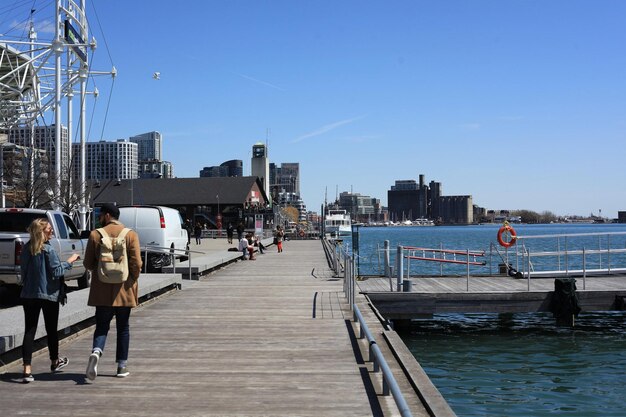
The Bricktown segment is the most developed for visitors. The canal here is flanked by restaurants, galleries, and shops housed in restored industrial brick buildings, with water taxis operating during warmer months. Water taxi rides cost around $5 per person for a short trip; longer routes along the entire 3.3-mile stretch run closer to $15. These boats run seasonally, typically April through October, so confirm operation before building an itinerary around them.
North of Bricktown, the canal transitions into a linear park with pedestrian pathways, green space, and less commercial density. This section appeals to visitors interested in walking or cycling away from retail and restaurant zones rather than those looking for dining and shopping convenience.
Lodging Proximity and Trade-offs
If canal access is a priority, Bricktown hotels put you within steps of the water. Properties here range from mid-market chains to boutique options, and room rates typically run $90 to $180 per night depending on demand and season. The trade-off: Bricktown lodging prioritizes walkability to restaurants and bars over tranquility, and the district fills with evening crowds, especially on weekends.
Downtown hotels two to three blocks from the canal offer slightly more quiet while remaining close enough for morning or afternoon walks. Prices are comparable to Bricktown but you lose the immediate waterfront setting.
Visitors prioritizing distance from nightlife while keeping canal access viable should consider lodging in the Paseo Arts District or near Automobile Alley, both walkable to the northern (quieter) sections of the canal. The tradeoff here is a 10 to 15-minute walk to reach the water, but these neighborhoods offer less saturated lodging markets and different dining and cultural anchors.
Lake Hefner, where the canal begins, is about 10 miles north of downtown. Hotels near the lake cater more to visitors interested in sailing, fishing, and park activities than canal walking, though the northern terminus of the canal lies adjacent to the lake.
Walking Conditions and Timing
The canal's pedestrian path is paved for most of its length, though condition varies by section. The Bricktown portion sees regular maintenance. The northern reaches, particularly past the Boathouse district toward the North Canadian River, can have uneven surfaces and less consistent upkeep, so bring appropriate footwear if you plan the full 3.3 miles.
Summer temperatures in Oklahoma City regularly exceed 90 degrees from June through August. The canal path has minimal shade outside the Bricktown retail corridor, making early morning or late afternoon walks more comfortable. Water levels fluctuate seasonally; the canal is most reliably full during spring (March to May) and again in fall after late-season storms.
Winter walking is feasible, with temperatures typically ranging from 35 to 50 degrees, though ice is possible after freezing rain. Spring flooding occasionally closes sections of the path for a few days or weeks; check with the city parks department before planning a long-distance walk during March and April.
Practical Logistics for Your Visit
The canal is publicly accessible and free to walk. Parking varies by location: Bricktown has paid lots ($5 to $10 for a few hours) and metered street parking. The northern sections near the Boathouse district have free parking but fewer amenities nearby.
If you're traveling without a car, the MAPS transit system operates bus routes that connect downtown to Lake Hefner and other canal access points, though frequency is limited outside peak hours. A single ride costs $2.
The canal officially opens at dawn and has no enforced closing time, though the Bricktown retail corridor is most lively until 10 or 11 p.m. Walking alone after dark is not recommended on the northern sections.
Dogs are permitted on-leash. The path accommodates strollers and wheelchairs in the Bricktown and central sections; the northern segments are less reliably accessible for mobility devices.
Integrating the Canal into a Stay
Plan for the canal as either a morning or evening activity, not an all-day anchor. Most visitors spend 45 minutes to two hours walking the Bricktown section, stopping for coffee or a meal. If you're fit and have time, the full 3.3 miles takes roughly 75 to 90 minutes at a steady pace.
Combine the canal with adjacent districts: Bricktown offers galleries and restaurants; the Boathouse district three blocks south has the rowing venue and park space; Automobile Alley sits northeast with vintage car shops and smaller cafes. This clustering means a single lodging choice can support a two to three-day itinerary without relocating.
The canal is worth including in a city visit if you value walkable urban waterfronts and access to local dining and retail. It is not a natural wonder or scenic destination in the way a river gorge or lakefront would be. Its value lies in connecting you to Oklahoma City's downtown districts and providing a car-free way to move through the city's center.