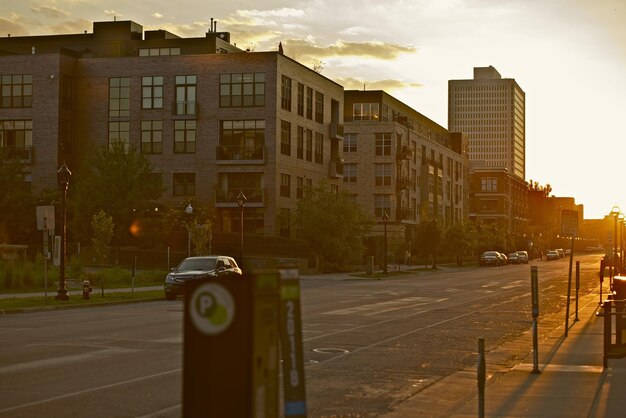
Where to Stay and What Draws People to Northeast Oklahoma City
Northeast Oklahoma City functions as a distinct lodging and leisure zone, separate from the downtown core and the Bricktown entertainment district. This guide covers what makes the area worth considering as a base, where the actual trade-offs lie between neighborhoods, and how visitor patterns differ from what out-of-state travelers typically expect.
The Geography and Its Practical Implications
Northeast Oklahoma City spreads across several overlapping districts: the area bounded by NE 23rd Street on the south, NE 50th Street on the north, Martin Luther King Jr. Boulevard on the west, and the city limits on the east. Within that frame sit distinct microzones, each with different appeal to different travelers.
The immediate northeast—roughly NE 10th through NE 30th, and extending from MLK Boulevard east—contains most of the region's hotel inventory and retail corridors. This is not a walkable entertainment district in the Bricktown sense. Visitors here are either passing through on I-44 and I-35 corridors, attending events at the Cox Convention Center or Chesapeake Energy Arena (which sit slightly south and west), or deliberately seeking lower nightly rates and more space than downtown offers. A two-bed suite at a midscale property here runs 30 to 50 dollars less per night than comparable rooms in downtown or Midtown, with more parking and easier car access to chain restaurants and retail.
The Edmond-Norman border area, further north along Broadway Extension (US-77), functions almost as a separate market. Hotels there target Edmond business travelers and parents visiting students at University of Central Oklahoma, and they cluster around the Broadway Extension corridor rather than forming a cohesive neighborhood.
Where Actual Guests Stay and Why
Most visitors who select Northeast properties do so for one of three concrete reasons: cost, car convenience, and proximity to medical facilities.
The Edmond Road commercial strip, running east-west through the middle of the region, concentrates mid-range and budget chains within a two-mile stretch. Direct cost comparison matters here. Properties on Edmond Road or along NE 36th Street offer rates that undercut comparable downtown brands by 40 to 60 dollars on high-demand nights (concert weekends, Thunder playoff games, conference season). That trade-off means a ten to fifteen minute drive to entertainment rather than a five-minute walk. The calculation changes based on whether you plan to leave your hotel nightly or use it primarily as a sleeping base.
Visitors attending appointments at OU Health facilities, Mercy Oklahoma City, or other major medical campuses in and around Northeast Oklahoma City see different math entirely. Staying near the treatment location—within the 36th Street or NE 23rd Street corridors—cuts unnecessary travel time on days when you're managing post-procedure fatigue or caring for someone undergoing treatment. Several properties within a mile of medical campuses market directly to this population, though they do not differentiate themselves heavily in public messaging; they simply exist in the right location.
The I-44 and I-35 corridor traffic creates a transient lodging market that most leisure travelers overlook. Drivers coming from Tulsa or heading toward Dallas often stop overnight in Northeast rather than downtown; the highway access is more direct, parking is not a puzzle, and checkout timing aligns with morning commute patterns. This explains why certain chains maintain strong occupancy rates in the 36th Street zone even during periods when downtown remains soft.
What the Area Offers Beyond the Hotel Room
Northeast Oklahoma City lacks the concentrated entertainment, dining, and cultural draw of Bricktown, Midtown, or the Plaza District. This is not a neighborhood you visit for the neighborhood itself. Instead, consider it a functional base for accessing attractions that lie elsewhere in the city.
The Chesapeake Energy Arena (home to the Oklahoma City Thunder) sits at the southwest edge of Northeast, near Reno Avenue and Robinson Avenue, roughly two miles from the concentration of Northeast hotels. Thunder games, concerts, and other events at the arena do not create the foot traffic within Northeast that they might in a more centrally located district. You drive to events rather than walk, and you return to your hotel the same way.
The Cox Convention Center, which hosts events ranging from comic book conventions to trade shows, sits downtown and south of Northeast. Convention-attending visitors sometimes choose Northeast hotels for cost and parking ease, then shuttle or drive the three to four miles to meetings.
Retail and dining near the hotels themselves run toward national chains and local restaurants that do not draw destination trips. Edmond Road and NE 36th Street offer the usual fast-casual and casual dining presence you find in any mid-sized American city's commercial zone. This is practical but not distinctive. Visitors seeking restaurant experiences that define Oklahoma City travel to Midtown, Bricktown, or the Film District.
The Will Rogers World Airport sits southwest of the city center. Northeast's position means a 15 to 20 minute airport drive depending on entry point, which is reasonably direct but not as immediate as staying downtown. Early morning flights work efficiently; late-night arrivals feel less convenient than staying closer to the airport itself.
Practical Decisions for Your Stay
Choose Northeast if you are prioritizing cost per night over walkability and if you plan to spend most of your days traveling to other parts of the city or attending a specific event or appointment. The savings compound over multi-night stays, and the parking situation simplifies logistics for travelers with cars.
Avoid Northeast if your trip centers on eating, walking, and experiencing the city's actual social geography. You will feel isolated in a hotel zone rather than embedded in a neighborhood.
Plan extra time for transitions between your hotel and primary attractions. Many visitors underestimate drive times and traffic patterns and arrive late to events or appointments. US-77 and NE 36th Street feed into the I-44 and I-35 junction; that confluence creates bottlenecks during peak hours (7 to 9 a.m., 4 to 6 p.m., and after major evening events).
The area's utility lies in its clarity: it serves a specific traveler need at a lower price than central locations, and it executes that function well without pretending to be something it is not.