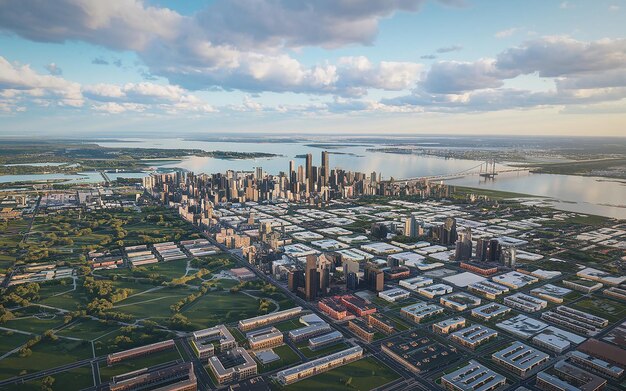
Understanding the Oklahoma City Metro Map: Districts, Drive Times, and Where to Stay
The Oklahoma City metropolitan area stretches across central Oklahoma with the city proper at its center and suburbs radiating outward in distinct directions. This guide maps the metro's geography for travelers deciding where to base themselves, how long drives will actually take, and which neighborhoods offer the lodging and amenities that match their trip purpose.
The metro area covers roughly 6,400 square miles across nine counties, but most visitor activity concentrates in Oklahoma City itself and immediately adjacent suburbs. Understanding the layout prevents the common mistake of booking a hotel 20 miles away and underestimating commute time to downtown attractions.
The Core: Downtown Oklahoma City and Bricktown
Downtown Oklahoma City occupies the actual center of the metro map and remains the highest-density lodging zone for travelers prioritizing walkability to restaurants, museums, and entertainment. The Bricktown district, immediately southeast of downtown's civic center, contains the Bricktown Canal and concentrates entertainment venues, galleries, and mid-range to upscale hotels within a 0.4-mile stretch along Sheridan Avenue and Main Street. Hotels here typically range from $120 to $250 per night depending on season; downtown proper offers fewer independent properties but includes the Skirvin, which operates as a historic property with rates often $160 to $220 nightly.
The trade-off is foot traffic and event-day congestion. During Thunder games (Oklahoma City Thunder plays at Paycom Center, which sits at 1 S. Philadelphia Ave), parking fills quickly and hotel rates spike 30 to 50 percent. The pedestrian experience between downtown and Bricktown improves noticeably after 6 p.m. when daytime office traffic clears; before that hour, sidewalks cater to workers and delivery vehicles more than travelers.
Midtown: Paseo Arts District and Plaza District
Paseo Arts District occupies roughly 24 blocks west of downtown, centered on a pedestrian mall lined with galleries, studios, and independently operated restaurants. Hotels here are minimal; most visitors to Paseo stay downtown and drive 10 to 12 minutes west. The area's value proposition is afternoon and evening exploration rather than overnight lodging. Parking is free and plentiful on the streets surrounding Paseo, making a 3- to 4-hour visit realistic without a hotel stay.
Plaza District lies roughly 2 miles north of Paseo and offers a similar arts-and-dining focus on a smaller footprint around NW 16th Street and Dewey Avenue. Neither zone has dedicated hotel inventory; they function as day-trip or evening-excursion destinations for visitors based downtown or in nearby suburbs.
North Oklahoma City: Edmond and Suburbs
Edmond, roughly 15 miles north of downtown via I-35, operates as the metro's second population center with approximately 100,000 residents. Lodging here ranges from extended-stay chains on East I-35 (typically $90 to $130 per night for standard brands) to limited boutique options in Edmond's downtown core around Broadway. The trade-off is geographic separation from Oklahoma City proper: drivers face 20 to 35 minutes of I-35 corridor travel depending on traffic and exact downtown destination.
Edmond appeals to travelers with business in the University of Oklahoma campus area or in Edmond's own retail and office parks, and to those prioritizing lower nightly rates over downtown walkability. The drive south on I-35 during afternoon rush hours (3 to 6 p.m. weekdays) moves slowly; northbound morning traffic toward Edmond is heavier than southbound evening return, so time accordingly.
East: Norman and Moore
Norman sits 18 miles south-southeast of downtown and hosts the University of Oklahoma campus; Moore lies 12 miles southeast. Both are bedroom-community suburbs with limited lodging appeal unless you're attending a specific event. Norman's nightly rates fall slightly below downtown's, typically $110 to $170, but a 25- to 40-minute drive to downtown attractions negates the cost savings for most trip types.
Moore contains Will Rogers World Airport, Oklahoma City's primary commercial hub. Some travelers connecting through Moore consider staying there, but the 15-minute drive to downtown does not justify staying near the airport instead of in the city center. Airport hotels operate in the $100 to $140 range nightly and exist primarily for crew layovers and last-minute connections.
West: Bethany and Warr Acres
The western suburbs of Bethany and Warr Acres lie along I-40, roughly 8 to 12 miles from downtown. These areas offer budget chain lodging ($75 to $110 nightly) but have minimal visitor attractions. They function as cost-saving alternatives for travelers with cars who plan to spend their days downtown anyway and only need a room at night. The westbound I-40 commute toward downtown moves reliably faster than northbound I-35 traffic, making a 15- to 20-minute drive typical.
South: Midwest City and Del City
Midwest City and Del City, southeast of downtown along I-40, follow the same budget-lodging model as the western suburbs. Both exist primarily as cost-reduction plays for driving visitors and have no intrinsic attractions. Midwest City contains Tinker Air Force Base, which drives some military-related lodging demand but offers no visitor benefits.
Practical Orientation for Lodging Selection
Travelers without a car should base themselves in downtown Oklahoma City or Bricktown and use ride-share for excursions. Nightly hotel costs run higher but eliminate the hidden expense of rental cars and parking.
Drivers planning primarily downtown and midtown activities benefit from downtown or Bricktown lodging; the slight rate premium ($30 to $50 per night) versus suburbs evaporates when accounting for the time cost of commuting. Budget 10 to 15 minutes from downtown hotels to Paseo or Plaza districts, and 20 to 25 minutes to the University of Oklahoma campus.
Those with specific business in suburbs should stay in the nearest suburb rather than downtown. A consultant spending three days at Edmond business parks saves time and frustration staying in Edmond itself rather than fighting I-35 three times daily.
Peak season (April through September, particularly around Thunder basketball season from October to April) drives downtown and Bricktown rates upward and fills inventory quickly. Booking two to three weeks ahead becomes necessary for April through June travel.
The Oklahoma City metro's practical geography for visitors collapses to a simple rule: downtown and Bricktown serve 90 percent of visitor purposes, and the rate difference between downtown and distant suburbs rarely justifies the commute unless you're working in those suburbs or traveling on an extremely tight budget. The metro's growth outward is real, but its attraction for travelers remains concentrated in the center.