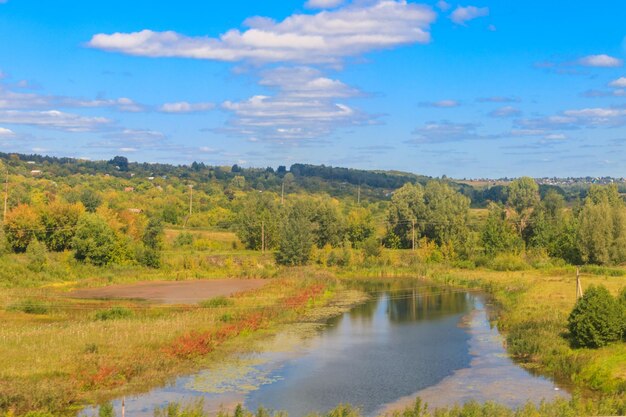
Where to Find Water Near Oklahoma City: A Regional Lake Guide
Travelers based in Oklahoma City who want swimming, fishing, or day-trip recreation don't need to stay within the metro area. Five significant reservoirs sit within 90 minutes, each with distinct practical advantages depending on your lodging situation and activity priorities.
The Trade-offs That Matter
Distance scales differently depending on where you're staying. Someone at a hotel near Will Rogers World Airport faces a different calculus than a visitor in Bricktown. Water quality, facility maintenance, and season-specific access also vary enough to change planning.
Oodles of regional guides list every fishing spot without distinguishing which lakes actually support day visitors without overnight equipment, which have maintained boat launches, or which still operate public facilities through summer. This one does.
Lake Thunderbird, 30 Minutes Northeast
Norman Lake is the nearest substantive body of water, though the reservoir most travelers reach is Thunderbird, about 30 minutes north toward Edmond. The University of Oklahoma owns and operates the facility, which means consistent maintenance and year-round access. There is a day-use fee (verify current rates with the Norman Parks and Recreation Department), and the lake supports both swimming beaches and boat launches.
The practical advantage: this is the only major lake where visitors staying downtown OKC or midtown can arrive, use the facility, and return within a half-day without rushing. Launch fees for private boats run separately from day-use passes. Camping is available but fills quickly on weekends April through September, so day-trip planning suits most travelers better.
The limiting factor is summer capacity. Peak season (June through early August) draws locals and university-affiliated users heavily, particularly on weekends. Mid-week visits in shoulder seasons (April, May, September, October) offer calmer conditions without the facility feeling empty.
Ooze Lake and Fort Washita, 60 Minutes Southeast
Southeastern Oklahoma hosts two distinct lake experiences. Ooze Lake sits closer (roughly 60 minutes), a smaller reservoir near Durant that emphasizes fishing over recreation amenities. It has a boat launch and basic facilities but minimal lodging infrastructure nearby, making it suitable only for same-day trips from OKC.
Fort Washita Historic State Park, another 20 minutes south, operates differently. The park combines a 640-acre lake with restored military buildings from the 1830s, creating a hybrid historical and recreational destination. Day-use fees apply (check Durant area parks information for current amounts). The state park has camping, picnic grounds, and walking trails, but lodging on-site means advance reservations during peak season, not walk-up visits.
The trade-off: Fort Washita justifies the distance because it's the only lake option where you combine water recreation with historical interpretation. Visitors interested in both activities save a separate trip. The facility also tends to draw fewer day-users than Thunderbird because the historical element narrows the audience.
Texoma, 90 Minutes North
Lake Texoma straddles the Texas-Oklahoma border near Denison, making it technically a regional destination rather than an Oklahoma City lake. However, the reservoir is large enough (89,000 acres) and developed enough in the Denison area to warrant the 90-minute drive for travelers planning a multiday lodging stay near the water.
The Oklahoma side offers the Eisenhower State Park area, which has boat launches, camping, and day-use facilities. The Texas side (Denison Dam area and Eisenhower Birthplace State Historic Site) provides lodging options closer to the downtown Denison district, where restaurants and retail cluster. This matters for travelers who want lake access plus evening dining and shopping without driving back to OKC.
The limiting factor is that Texoma only makes sense if you're staying overnight. It's too far for a same-day round trip from central OKC.
Eufaula Lake, 120 Minutes Southeast
Eufaula Reservoir, near the town of Eufaula in McIntosh County, ranks as Oklahoma's largest lake by surface area (102,000 acres). The distance (roughly two hours) and the presence of multiple state parks and private marinas make it a destination for multi-day fishing trips, not casual day recreation.
Lodging exists in the immediate area (basic motels and vacation rentals in Eufaula town), but the lake is primarily an RV and fishing-focused destination. The scenery is less dramatic than Texoma, and the public amenities are more dispersed. It works for travelers with specific fishing objectives or who want a remote, quiet water-based getaway far from OKC metro traffic.
Foss Lake and Elk City, 150 Minutes West
Foss Reservoir, west of Elk City, represents the practical limit of reasonable distance for a day trip. The drive reaches 2.5 to 3 hours depending on which OKC neighborhood you depart from. A state park operates on the lake with camping and day-use areas, but the Western Oklahoma location means fewer lodging options immediately proximate and lower development of commercial services.
The advantage is relative isolation. If you're planning a multiday stay in Western Oklahoma (perhaps combining visits to Erick, Sayre, or attractions in the Oklahoma Panhandle), Foss fits the geography. Otherwise, the drive from central OKC makes other lakes more practical.
Practical Takeaway for Trip Planning
If you're lodging in OKC proper and want to access water within a realistic day-trip window, Thunderbird near Edmond is the only lake that justifies a half-day excursion without feeling rushed. If your hotel stay allows full-day flexibility or overnight options, Fort Washita adds historical context that Thunderbird lacks. Texoma and Eufaula make sense only as part of a broader multiday regional trip, not as standalone destinations from the metro. Verify current day-use fees and seasonal hours directly with each park's managing agency, as operating calendars shift with weather and maintenance schedules.