Getting From El Reno to Oklahoma City: Route Options and Travel Time
The 30-mile drive from El Reno to Oklahoma City takes between 35 and 50 minutes depending on traffic and which route you choose. This guide covers the three practical options, what to expect along the way, and how to factor in timing if you're arriving for an evening event or checking into a hotel downtown.
The Three Main Routes
I-40 East is the fastest and most direct path. From El Reno, you'll merge onto I-40 heading east, which feeds directly into Oklahoma City's core. In light traffic, this route takes 35 to 40 minutes. During rush hour (7 to 9 a.m. and 4 to 6 p.m. weekdays), add 10 to 15 minutes. I-40 passes through the Oklahoma City metro area and connects to downtown without requiring navigation changes. This is the route most business travelers and visitors with evening reservations use because delays are predictable and the exit signs to downtown hotels are clear.
US-81 North to I-44 East is the scenic alternative. This roughly 45-minute route takes you through smaller towns and more open landscape before joining I-44 toward the city. US-81 passes through Yukon, which has gas stations and quick-service restaurants if you need a break. I-44 merges into I-35, which becomes the main north-south corridor through Oklahoma City. Use this route if you're leaving El Reno mid-morning and want to avoid interstate congestion, or if you're interested in stopping in Yukon (population 7,200) for a casual meal before continuing. Traffic on I-44 and I-35 moves steadily except during the same peak hours that affect I-40.
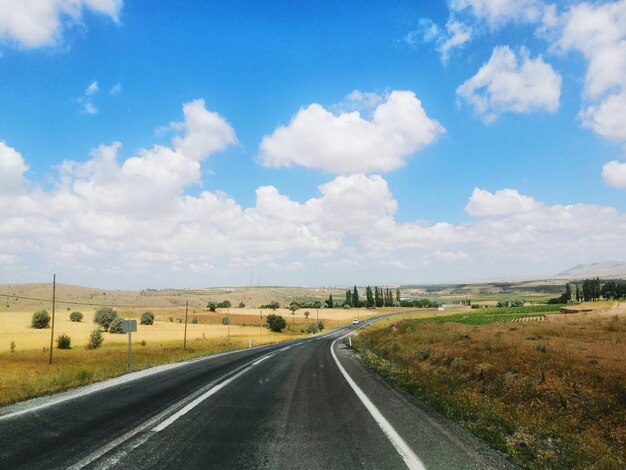
US-66 East (historic Route 66 corridor) takes 50 to 60 minutes and passes through Calumet, Hydro, and Weatherford before entering Oklahoma City's west side. This option appeals to visitors interested in the Route 66 heritage landscape and avoids interstate driving entirely. The road is two lanes for much of the journey, so it's slower but predictable. You'll see the original Lucille's Gasoline Station in Hydro (a landmark that operated from 1941 onward) and arrive in Oklahoma City via the Route 66 Historic District on the city's west side. If you're lodging in the Bricktown or downtown core, you'll need to navigate city streets afterward, which adds 10 to 15 minutes to your total time. Choose this route if you have schedule flexibility and want to experience the landscape rather than optimize for speed.
Traffic Patterns and Timing
I-40 experiences the most consistent congestion. The I-40/I-35 interchange in central Oklahoma City is a known merge point where lanes tighten. If you're arriving between 7 and 9 a.m. or 4 and 6 p.m. on a weekday, expect 45 to 50 minutes on I-40 rather than the posted 35 to 40. Weekend traffic is lighter; Saturday and Sunday midday runs typically take 35 to 40 minutes on I-40.
I-44 to I-35 sees less peak congestion than I-40 but adds 5 to 10 minutes overall. The merge from I-44 to I-35 near the city's north edge is usually clear.
US-66 has no interstate bottlenecks but moves at 45 to 55 mph through open sections, so a midday departure will keep you on schedule. Evening departures (after 6 p.m.) may feel safer on US-66 because you avoid rush-hour interstate merging.
Lodging Implications
If you're checking into a hotel downtown or in Bricktown, I-40 is operationally simpler even with congestion, because the exits are direct and signage is clear. The Bricktown district lies just south of I-40's exit points, and downtown hotels are accessible from the I-40/I-35 interchange without backtracking.
For hotels in midtown or near the Paseo Arts District, I-44 to I-35 may route you more naturally, especially if your hotel is on the north or east side of the city.
If you're staying in the Nichols Hills or Edmond areas (north of the city proper), US-81 north to I-44 provides a more direct approach with fewer city-street transitions after you leave the highway.
Practical Considerations
Gas and rest stops exist on all three routes. I-40 has the most commercial development and options within a few miles. US-81 through Yukon offers Casey's General Store and a few casual restaurants. US-66 has scattered stops and fewer chains, so if you need reliable services, refuel in El Reno or Yukon before choosing the scenic route.
Cell service is consistent across all three routes, though I-40 has more robust coverage due to infrastructure density.
If you're unfamiliar with Oklahoma City's street grid, arriving via I-40 reduces navigation complexity because exit names correspond directly to downtown districts. I-44 to I-35 requires a northbound-to-eastbound turn that can feel counterintuitive if you're new to the city.
Bottom Line
Book your arrival time assuming 45 minutes on I-40 during typical business hours, and you'll avoid the stress of a rushed check-in. If you have flexibility and want a less congested drive, US-81 to I-44 is reliable and saves the interstate merge stress. The US-66 route works only if you're treating the drive as part of your travel experience rather than a transfer between two points.