Driving from El Paso to Oklahoma City: Route Options, Stop Points, and Where to Stay
The 650-mile drive from El Paso to Oklahoma City takes 9 to 10 hours of straight driving, but the route's actual value lies in choosing which segments to compress and where to break the journey. This guide covers the three primary routing options, the practical stops that make sense for different traveler profiles, and lodging decisions that depend on your pace and interests.
Route Fundamentals
From El Paso, Interstate 10 East leads to I-20 near Midland, or you can take US-54 north toward New Mexico before joining I-40 in Amarillo. The I-40 corridor dominates the final 500 miles across the Texas Panhandle and Oklahoma. A third option uses US-287 north through the high plains toward Amarillo, adding scenic distance but reducing interstate monotony.
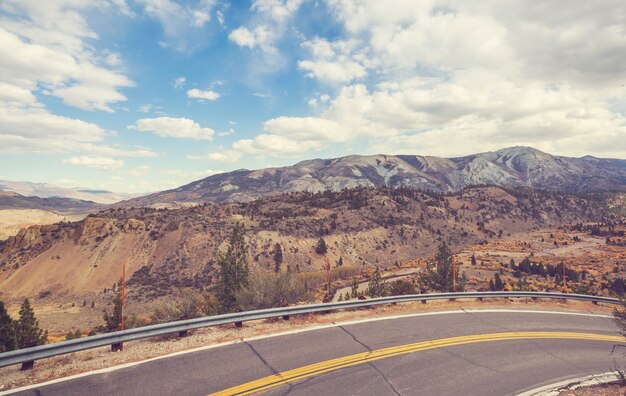
The I-40 direct route (El Paso to Amarillo via I-20 and I-40, then straight northeast to Oklahoma City) is fastest but runs through relatively featureless high plains. Travel time: 9.5 hours if you stop only for gas and meals. US-54 north from El Paso to Alamogordo, New Mexico, then joining I-40 near Glenrio adds 90 minutes but passes through terrain with elevation and visible landscape variation. US-287 from Dalhart, Texas, to Amarillo extends the drive slightly but crosses ranch country with fewer commercial interruptions.
Halfway Point and Strategic Stops
Amarillo, Texas, sits roughly 430 miles from El Paso and 220 miles from Oklahoma City, making it the practical midpoint for an overnight stay. The city has two distinct lodging zones: downtown near the Santa Fe Railway district, where older properties and independent motels cluster, and the I-40 Business loop, where newer chains dominate and parking is simpler. Highway-facing properties on the Business Loop tend toward lower rates (typically $55–$85 for a two-star or three-star chain) but offer less character; downtown options range $70–$110 and include the Amarillo Little Italy district with local restaurants within walking distance.
Lubbock, Texas (320 miles from El Paso, 280 from Oklahoma City), is another pause point if you depart El Paso in early afternoon. It sits south of I-40 but represents a manageable detour for travelers interested in breaking the drive into two shorter segments rather than one long push. Lodging here skews toward university-district properties and mid-range chains without significant savings versus Amarillo.
Oklahoma panhandle towns like Boise City or Texhoma (490 and 520 miles from El Paso, respectively) are true small-town stops. Neither offers substantial food or lodging variety; both function as checkpoints where you top gas and continue. Only choose these if you want to experience ranch-country emptiness or are on an unusual routing.
Lodging Strategy for the Route
Overnight stays should follow these decision points:
Immediate drive-through approach: Leave El Paso in early morning, stop in Amarillo for a four-hour rest (lunch, coffee, two-hour nap at a budget motel), then push to Oklahoma City by early evening. This works for drivers under 50 or those accustomed to long highway days. Budget approximately $40–$60 for the Amarillo rest stop plus meals.
Split journey, human-pace travel: Depart El Paso late afternoon, drive to Amarillo by dinner (4 hours), spend the night, then drive to Oklahoma City the next morning (5–5.5 hours). This permits fuller meals, morning coffee, and arrival in OKC by mid-afternoon. Total lodging cost: one night at $70–$100 in Amarillo plus meals at both locations. This rhythm suits families, older travelers, and anyone with flexible arrival timing.
Extended-stop approach: Base one night in Lubbock (arriving evening of day one), then overnight in Amarillo (evening of day two), arriving Oklahoma City on day three. This only makes sense if you have genuine interest in visiting Lubbock's Texas Tech campus or Amarillo's Palo Duro Canyon State Park (12 miles south of the city). The time cost is substantial for simple transit.
Oklahoma Entry and Final Approach
Crossing from the Texas Panhandle into the Oklahoma Panhandle around Guymon, the landscape opens further, with fewer trees and more horizon. The final 150 miles to Oklahoma City run primarily through the Oklahoma Panhandle and Canadian County via I-40, then south through Kingfisher and Yukon on I-44 and surface roads, or continuing on I-40 into the city directly.
Coming from Amarillo, staying on I-40 all the way into Oklahoma City is the most direct routing. This path avoids backtracking and keeps you on major infrastructure with consistent rest areas and services. Exit decisions depend on where you're headed in Oklahoma City; the downtown core sits north of I-40, while neighborhoods in Edmond and Midwest City sprawl east and north.
Practical Timing and Road Conditions
The drive is straightforward but monotonous. Winter weather in the Texas Panhandle and Oklahoma Panhandle can produce ice on I-40 between December and February, particularly around Amarillo and between Guymon and the Oklahoma City metro. Spring brings thunderstorms and occasional hail, especially in late April through May. Summer heat (routinely above 95°F) increases fatigue; early morning or late-afternoon departures reduce sun exposure. Fall offers the most consistent driving conditions with clear visibility and moderate temperatures.
Fuel up in Amarillo before continuing past Guymon; service stations thin out in the 80-mile stretch between Guymon and Sayre, Oklahoma. Gas prices in Amarillo typically run $0.10–$0.25 per gallon lower than in Oklahoma City.
Final Takeaway
A single-push 10-hour drive from El Paso to Oklahoma City is physically possible but produces fatigue that outweighs time savings. An overnight stay in Amarillo with dinner and an early departure the next morning costs roughly $100–$150 total (lodging and meals) and converts the journey into two manageable 4.5–5.5-hour segments. This pace allows a proper meal, reduces driving errors, and removes the cognitive cost of exhaustion on arrival in Oklahoma City.