Where to Stay Near Chisholm Creek: A Guide to Oklahoma City's Creekside District
Chisholm Creek runs through Oklahoma City's northwest corridor, and the neighborhoods immediately surrounding it—Britton, Warwick, and the emerging Midtown district—offer distinct lodging strategies depending on whether you're prioritizing walkability, price, or access to specific attractions. This guide maps those trade-offs and explains what each area actually delivers.
The Creek's Role in Oklahoma City's Geography
Chisholm Creek flows southeast through the city and meets the North Canadian River near downtown. For travelers, the creek matters because it anchors three different lodging zones. The area immediately around the creek (particularly in the Britton neighborhood north of NW 23rd Street) is residential and quiet. Midtown, which borders the creek's lower reaches near NW 10th Street, has become denser with mixed-use development over the past decade. Further south, where the creek approaches downtown, you're in the urban core with different amenities and price points entirely.
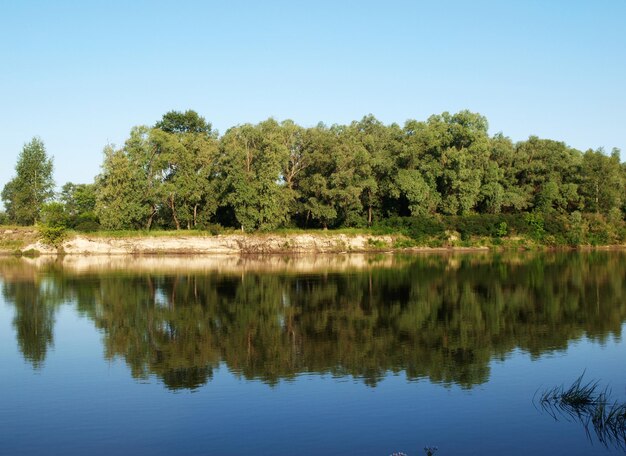
The creek itself is not a major tourist draw—it's narrow, often tree-lined, and lacks the riverfront promenade appeal of the North Canadian River downtown. But the neighborhoods it bisects function as logical bases for different trip types.
North of the Creek: Britton and Warwick
Britton and Warwick neighborhoods sprawl north and west of NW 23rd Street, with Chisholm Creek running through both. This area is primarily residential, with modest homes, local schools, and independent businesses rather than chain hotels or national restaurant brands.
Lodging availability: There are no major hotel properties directly in Britton or Warwick. The closest chain hotels—a La Quinta on NW 23rd Street and a Super 8 a few blocks away—operate at lower daily rates than properties closer to downtown or Midtown, typically $60–$85 per night depending on season. These are appropriate for budget travelers unconcerned with walkability or centrality; you will need a car.
Practical advantages: Quieter setting, lower rates, proximity to casual local restaurants and independent shops along NW 23rd Street. Trade-offs: You're 15–20 minutes by car from downtown attractions (Bricktown, Myriad Botanical Gardens, Oklahoma City Museum of Art), and there's minimal walking infrastructure connecting the residential blocks to anything commercial.
Midtown: The Emerging Middle Ground
Midtown, loosely defined as the area between NW 10th and NW 23rd Streets and between Western Avenue and the creek, is where Oklahoma City has directed redevelopment energy. Several older commercial buildings have been converted to lofts and short-term rentals; new mixed-use projects have added apartments, restaurants, and retail in the past five years.
Lodging availability: Unlike Britton, Midtown has actual visitor accommodation options. The Skirvin, a historic hotel at 1 Park Avenue (downtown-adjacent but often grouped with Midtown discussions), is the closest full-service property and operates at $180–$250 per night. Several private owners rent lofts and apartments through platforms like Airbnb in the NW 15th Street corridor, generally $120–$200 per night. These are furnished short-term units, not hotels—they typically require longer minimums (3–7 days) and have limited front desk services.
Practical advantages: Walkable to restaurants and galleries (the Paseo Arts District is directly accessible from Midtown), closer to downtown attractions than Britton, and a step above budget-chain rates without the full-service hotel premium. You can reach Myriad Botanical Gardens or Bricktown in 10–15 minutes by car. Several independent coffee shops, bookstores, and casual bistros are within walking distance.
Trade-offs: Fewer dining options than downtown, less predictable availability in private rentals, and fewer immediate walkway connections to Chisholm Creek itself. The residential character means noise levels are low, but that also means nightlife is limited.
Downtown and the Lower Creek: Premium and Urban
South of NW 10th Street, Chisholm Creek runs into the urban core where downtown Oklahoma City's major hotels cluster. The Skirvin Hilton, Renaissance Hotel, and numerous other properties operate in the $150–$280 range and offer traditional hotel amenities (gym, business center, room service, concierge).
Practical advantages: Immediate access to Bricktown restaurants and bars, walking distance to the Myriad Botanical Gardens, Oklahoma City Museum of Art, and National Memorial and Museum. Consistent staffing, predictable service, and the full range of hotel infrastructure.
Trade-offs: Premium pricing, especially for premium brands. Chisholm Creek in this zone is less visible—it's not the featured amenity. You're paying for downtown location and walkability to downtown attractions, not the creek itself.
Choosing by Trip Type
Extended stay under $100/night: Britton's budget chains require a car and suit travelers who are either in the city for work or making day trips to specific destinations outside the Chisholm Creek area.
3–7 day visit, walkable neighborhood: Midtown lofts appeal to travelers comfortable with variable availability and self-catering or nearby restaurants. Budget $130–$180 per night.
Standard visitor, full hotel services: The Skirvin or a downtown property delivers consistency and walkability to major attractions. Plan $180–$250 per night.
Families prioritizing value: Britton or Warwick hotels offer lower daily rates; pair with a rental car for day trips to the Oklahoma Zoo (NE 50th Street, northeast of the creek) or the Science Museum Oklahoma (just south of downtown).
The Creek as a Planning Reference, Not a Destination
Chisholm Creek itself should factor into your lodging choice as a geographic marker, not as a featured attraction in the way a riverfront in another city might be. It helps define the character of surrounding neighborhoods and can anchor your mental map of Oklahoma City's layout. Britton is "north of the creek," Midtown straddles it, and downtown is where it ends. Use that orientation to pick a neighborhood that matches your trip's focus, then book accordingly.
If you're primarily visiting downtown attractions, stay downtown. If you want a quieter, walkable mixed-use neighborhood at a moderate price, Midtown is the option. If you're prioritizing the lowest rate and own a car, Britton serves that purpose. The creek itself is context, not the draw.