Horse Racing at Remington Park: What Oklahoma City Bettors and Spectators Should Know
Remington Park sits on the edge of Oklahoma City's southern perimeter, near Choctaw, and operates as the state's primary horse racing venue. This guide covers what actually happens there, how the racing calendar works, what it costs to attend, and how Remington compares to racing opportunities within a reasonable drive.
The Racing Schedule and What Surfaces Are in Play
Remington Park runs a mixed season of thoroughbred and quarter horse racing. The facility operates live racing typically from September through May, though the exact dates shift annually based on scheduling adjustments and state racing commission approvals. Quarter horse racing tends to concentrate in fall and spring windows, while thoroughbred racing extends deeper into winter.
The track surface matters for how races unfold. Remington Park runs races on a dirt main track, which affects pace and footing compared to turf or synthetic surfaces. Dirt racing rewards different running styles than you see at exclusively synthetic or turf tracks; pace-setting horses often hold better on Oklahoma dirt in wet conditions than on sealed synthetic surfaces. If you follow racing at Oaklawn Park in Hot Springs, Arkansas (about four hours northeast), you know the regional style. Remington's dirt configuration creates similar track bias patterns, especially during heavy spring rains when the track becomes deep.
Admission, Seating, and Viewing Options
General admission to Remington Park typically costs $5 to $7, with children under 12 entering free on many racing days. This low barrier explains why Oklahoma City has a consistent racing crowd relative to other mid-sized metro areas. Parking is free in the general lot.
The grandstand offers tiered seating with varying sight lines. General admission seats in the lower sections run $10 to $15 if you want to reserve a specific spot instead of standing in the railings area. The simulcast wagering room, where bettors watch and wager on races from other tracks nationwide, occupies climate-controlled space and operates on a different calendar than live racing. This room stays open year-round on most days, making it the only option for horse racing action during the facility's off-season (June through August).
Food options inside the facility run to standard track concessions: hot dogs, nachos, pizza, and drinks at prices 30 to 40 percent higher than comparable food purchased outside. Bringing your own non-alcoholic drinks is often permitted; verify current policy at the gate.
How Remington Compares to Other Oklahoma Racing Venues
Oklahoma City residents have limited live racing options within the state. Remington Park is the only facility offering regular live racing in the metropolitan area. Fort Washita Racetrack, located near Durant in southern Oklahoma (about 90 minutes south), runs a smaller meet focused on quarter horse racing, typically concentrated in May. If you prioritize larger racing operations with more daily races and better betting liquidity, Oaklawn Park in Hot Springs offers live racing from December through April with 10 to 12 races daily compared to Remington's typical 7 to 9 races.
The trade-off is distance. Oaklawn requires a three-hour 45-minute drive from downtown Oklahoma City; Remington Park is 20 to 25 minutes from Bricktown. For casual spectators, Remington's proximity outweighs Oaklawn's larger card. For serious bettors, the simulcast room at Remington gives access to tracks nationwide regardless of season, so the live-racing draw of Oklahoma City isn't primarily about local racing quality but about the experience of being present at a working racetrack.
Betting Infrastructure and Handle
Remington Park accepts win, place, and show wagers on every race, plus exactas, trifectas, and superfectas. The facility does not yet offer advanced exotic wagering like Pick 3 or Pick 4 sequences as standard offerings, though this may change. Phone and online wagering through the Oklahoma Horsemen's Benevolent and Protective Association website allows you to place bets from home during live racing.
Daily handle (total dollars wagered) at Remington runs between $400,000 and $800,000 on live racing days, depending on the card quality and day of week. Friday and Saturday cards draw higher handle because they often include stakes races and bigger purses. This matters because higher handle means better odds and tighter payoff spreads; more money chasing the same outcomes produces more efficient markets.
The Physical Plant and Track Conditions
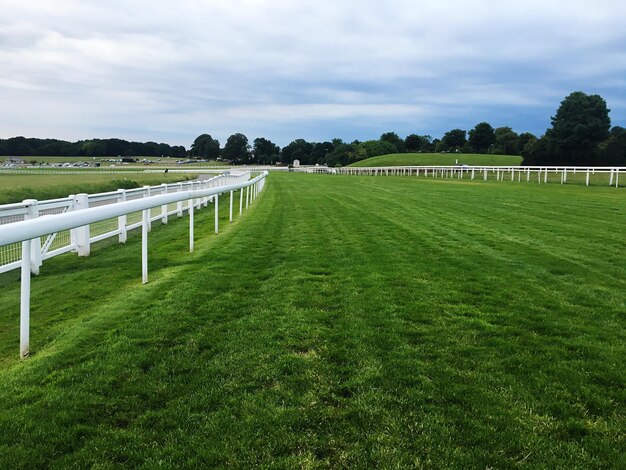
Remington Park's main dirt track measures one mile around. The infield is visible from most grandstand seats, giving spectators a complete view of the racing surface and any weather impacts. The track has a slight bias favoring horses running on the rail during certain conditions, a factor worth monitoring if you attend multiple cards. Track condition is posted before each race card and updates throughout the day as weather and maintenance change it.
The facility underwent renovations between 2016 and 2018 that improved the simulcast viewing area and betting terminals. The grandstand itself dates to the original 1988 construction, so the physical structure feels functional rather than upscale, but seating density is reasonable and sightlines are adequate.
Why This Matters for Oklahoma City's Sports Footprint
Horse racing occupies a particular place in Oklahoma City's sports ecosystem. The city has the Thunder (NBA), the Barons (minor league baseball), and various college athletics, but Remington Park is the only venue offering daily sports wagering in-person. For sports bettors, it's the closest legal option to placing real money on live athletic outcomes. This distinction shapes its actual audience: people who want the sensory experience of watching horses race combined with the option to wager are the core attendance base, not casual spectators seeking entertainment alone.
If you're visiting Oklahoma City during live racing season and want to experience a working racetrack without a four-hour drive, Remington Park requires only a short trip south. Bring $20 to $50 if you plan to bet, plan for a three to four-hour outing given the typical card length, and verify the current racing schedule on Remington Park's website because it does shift year to year based on state commission approvals.