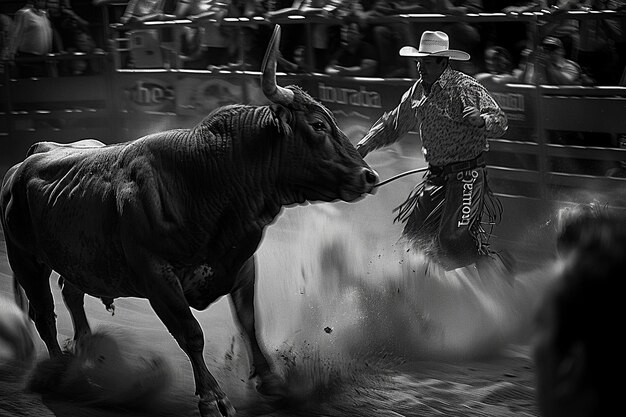
Professional Bull Riders Tour Stops in Oklahoma City: What to Expect
The Professional Bull Riders (PBR) Unleash Tour brings eight-second rides and 2,000-pound animals to Paycom Center most winters, drawing crowds of 10,000 to 15,000 for a sport that straddles rodeo heritage and modern arena entertainment. This guide covers what makes the Oklahoma City event distinct within the PBR circuit, how the venue shapes the experience, and practical details for attending.
The Oklahoma City Event in the PBR Calendar
Oklahoma City hosts one of the PBR's regular-season stops, typically in late fall or early winter. The event operates under the Unleash Tour format, the organization's largest touring series, which differs from the elite Playoff events held in Las Vegas and the World Finals in Fort Worth. This means the rider lineup skews toward ranked professionals competing for circuit points rather than the absolute top 35 competitors, but the caliber remains high—these are still the world's best bull riders outside the championship tier.
The timing matters. Oklahoma City's slot comes after the summer rodeo season and before the PBR Playoffs, positioning it as a mid-season checkpoint where riders either build or lose ground in standings. The draws (which bulls face which riders) are published beforehand on the PBR website, allowing fans to research matchups. A rider ranked in the top 30 or a bull known for difficulty can drive attendance; conversely, an event dominated by less-familiar names draws a smaller, more dedicated crowd.
Paycom Center as a Bull Riding Venue
Paycom Center, located in downtown Oklahoma City at the corner of Reno Avenue and Robinson Avenue, holds roughly 19,000 for basketball but configures to about 10,000 to 15,000 for PBR, with seating concentrated on one side and the arena floor modified with a specialized buck-out pen, chutes, and barriers. The arena's climate control is relevant: indoor venues eliminate weather delays that outdoor rodeo arenas face, but they also flatten the acoustic experience compared to open-air events. The sound of hooves and crowd roar carries differently in an enclosed space.
Sightlines vary by section. Lower-bowl seats near the chutes ($40 to $75 range) offer close-up chute-side views of rider preparation but expose you to the most dust and noise. Mid-level seats ($30 to $60) balance perspective with comfort. Upper deck ($20 to $50) shows the full arena but distances you from the action's intensity. Premium club seating ($80 to $150+) includes food service and climate-controlled lounges but requires navigating separate entrances.
Parking downtown runs $10 to $15 in the Paycom Center lot or surrounding garages; arriving 90 minutes early secures closer spots. Public transit via EMBARK buses serves the venue, though frequencies drop after events end.
What Separates Oklahoma City's PBR Stop from Others
The PBR tours roughly 25 cities annually across the Unleash Tour. Oklahoma City competes with Fort Worth (home to the World Finals), Las Vegas (Playoffs), Denver, San Antonio, and secondary markets like Wichita and Tulsa. The Oklahoma City event lacks the prestige of Fort Worth's championship atmosphere or the promotional draw of Las Vegas, but it fills a geographic niche for fans in the central South and Southern Plains who otherwise travel 3 to 6 hours to the next tour stop.
The crowd demographic reflects this. Oklahoma City events attract a higher proportion of local ranch and ranching-adjacent attendees compared to, say, Denver's more tourist-mixed audience. The audience tends to be quieter and more knowledgeable about animal welfare and riding technique, meaning less manufactured entertainment and more direct engagement with the sport's technical elements.
Attending: Key Logistics
Tickets sell through Ticketmaster and the Paycom Center box office. PBR events typically run 7 to 9 p.m. on Friday or Saturday, lasting roughly two to two-and-a-half hours (one round of rides, sometimes two for larger events). Doors open 90 minutes before start time.
Bring cash or card for concessions; Paycom Center accepts both. Food includes standard arena fare (hot dogs, nachos, popcorn) at arena prices ($8 to $16 per item). Alcohol is available and crowds in the younger sections (18 to 35 range) drink noticeably. Noise levels spike after riders make 8 seconds; prepare for sudden crowd reaction.
Children under 12 typically enjoy the spectacle and animal action but may find the 90-minute duration long; no specific children's seating exists. The event is not inherently family-friendly in structure, though families do attend.
Prohibited items include outside food, glass bottles, and large bags. Seats are general admission within assigned sections; arriving early guarantees center-floor sightlines in your section.
The Competitive Element
Unlike basketball or football, bull riding outcomes are not predetermined by score or possession. Every ride is genuinely unpredictable. A rider ranked fifth nationally can be thrown in three seconds; a lesser-ranked competitor might produce that night's best score. This unpredictability drives the sport's viewing appeal and justifies the ticket cost for repeat attendees.
Scoring splits between rider form (balance, positioning, spur use) and bull difficulty; a score of 85+ is exceptional, 80+ is solid, 75+ is respectable. A rider bucking off scores zero. Knowing these standards beforehand enhances appreciation of what you're seeing.
Practical Takeaway
Attending an Oklahoma City PBR event is economical compared to Fort Worth or Las Vegas, requires minimal advance planning beyond ticket purchase, and delivers raw athletic competition in a downtown venue accessible by car or transit. The two-hour duration fits easily into an evening. If you're evaluating whether to attend, the deciding factor is usually whether the event date works and whether you want the specific experience of professional bull riding, not whether Oklahoma City's stop is a "better" version than others; it isn't, but it is complete and competently executed.