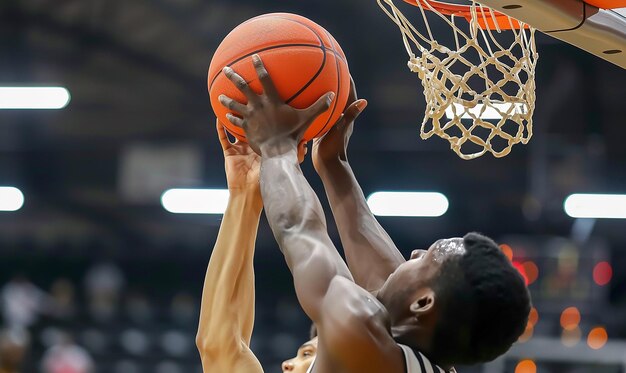
When the Thunder Face Orlando: What to Know About OKC's Matchup Against the Magic
A Thunder game against the Magic tells you something about where Oklahoma City sits in the NBA hierarchy and how the team's defensive identity holds up against Orlando's spacing and ball movement. This guide walks you through the competitive context of these matchups, how the teams match up stylistically, what the game atmosphere is like at Chesapeake Energy Arena, and practical details for attending.
The Matchup in Context
Orlando and Oklahoma City occupy different tiers of playoff contention in most seasons, but the Magic's roster construction and the Thunder's defensive principles create a specific kind of basketball problem worth understanding. The Magic rely on three-point shooting and perimeter spacing, particularly when they have functional floor spacing centers. The Thunder, built around switching defense and paint protection, must defend that spacing without fouling.
When these teams meet, the game often hinges on whether Orlando's role players can hit from distance and whether Oklahoma City's guards stay disciplined on closeouts. The Magic typically move the ball quickly through their offense, which tests the Thunder's communication and recovery. If OKC's wing defenders extend too far on shooters, the Magic exploit kickouts and cutters. If they play conservative, Orlando's three-point volume creates scoring volume.
The historical record between these franchises shows competitive balance when both teams are healthy. Orlando rarely enters these matchups as a heavy favorite, and Oklahoma City rarely plays them as a guaranteed win. This is a game that reveals something about each team's current form rather than settling a larger hierarchy question.
Defensive Chess: The Core Variables
The Thunder's perimeter defense becomes the story. Oklahoma City schemes to limit three-point attempts by controlling spacing through positioning rather than fouling. Against Orlando's motion offense, this requires consistent help-and-recover work from the weak side. A single lapse in communication leaves an open shooter, and the Magic punish that immediately.
Jalen Williams and Shai Gilgeous-Alexander's defensive versatility matters more in this matchup than in others. Both must guard shooting wings and have the lateral quickness to avoid getting beaten off the dribble by guards. If either is in foul trouble, OKC's defensive integrity degrades quickly.
For Orlando, the matchup hinges on whether Jalen Suggs and their perimeter creation can generate clean looks before Oklahoma City's defense tightens. The Magic also benefit from depth; if their first two offensive options face defensive pressure, they have capable third and fourth options who can move the ball and shoot. This depth advantage sometimes shows up as a 20-point lead that never shrinks because the Thunder can't generate the stops needed to mount a run.
Attending at Chesapeake Energy Arena
Games at Chesapeake Energy Arena in downtown Oklahoma City, located at 1 Thunder Way in the Bricktown district, seat 20,520 people. Regular-season ticket prices for a Magic game typically range from $30 for upper-level corners to $150 for mid-level sideline seats, though premium games against larger markets or playoff implications can run higher. Playoff matchups between the teams cost significantly more, sometimes $200 to $500 for comparable seats.
The arena opens two hours before tipoff for most games, giving you time to navigate parking and concessions without rushing. The Bricktown location means street parking fills quickly; the Chesapeake lots charge $10 for standard parking and $20 for preferred spots near the main entrance. Arriving 90 minutes early on a Friday or Saturday night is the practical minimum.
Concession food runs higher than grocery prices: $18 for a pizza slice, $14 for a hot dog, $8 for a regular soda. Bringing your own bottled water is not permitted, but clear plastic bottles filled at fountains are allowed. The arena has worked to diversify food vendors, so options beyond standard arena fare exist, though the selection depends on the specific concourse.
The crowd energy in OKC games against Magic teams historically runs moderate rather than maximum. These aren't the emotional stakes of Thunder matchups against the Lakers or Celtics. Upper-level seats offer clear sightlines throughout the arena; no obstructed views exist. Lower-bowl seats on the baseline provide the most immersive experience but limit your ability to see pick-and-roll coverage developing on the opposite side.
Travel and Timing Considerations
If you're driving from outside the metro area, I-44 feeds directly into downtown, and the arena sits two blocks from the Bricktown Canal. If you're arriving via Will Rogers World Airport, the drive to the arena is roughly 20 minutes in light traffic, 35 to 40 minutes during rush hour. Rideshare from the airport costs $25 to $35 before surge pricing.
Games against Orlando in November or December typically tip at 7 p.m. local time. Games in March or April may tip at 7:30 p.m. if broadcast nationally. Check the Thunder's official schedule to confirm; nationally televised games occasionally shift tipoff times 24 hours before the game.
What the Matchup Reveals
Watching the Thunder face the Magic shows you two things: how Oklahoma City's defensive system handles a spread offense, and whether the team can generate enough rim protection to prevent an avalanche of three-point attempts. If the Thunder lose to Orlando, it's usually because their defense broke down in third quarters or their bench guards couldn't execute the switching scheme. If they win, it's because their superior athleticism on the wing forced bad shots and they converted fastbreak opportunities.
Attending in person lets you see defensive detail that broadcast cameras miss. You see whether OKC's bigs are recovering to shooters fast enough, whether Orlando's cutters find space in the gaps, and whether the rhythm of possessions favors one team's timing.
For a practical takeaway: if you want to understand the Thunder's season trajectory, watch how they defend Orlando's perimeter. A dominant win suggests strong defensive identity. A close loss suggests role-player consistency issues. A blowout loss indicates the defense has a systematic flaw that will show up against other shooting teams.