Where College Athletics Meet Professional Development at OCU
Division II athletics at Oklahoma City University occupy a specific niche in the region's sports ecosystem. The program sits between the high-profile University of Oklahoma Sooners in Norman (about 30 miles north) and the professional Oklahoma City Thunder downtown, which means OCU athletics draw local interest without the recruiting dominance or media saturation of Power Five schools. Understanding what OCU sports offer requires knowing exactly what kind of athletic experience the university delivers and which teams justify the 30-minute drive from central Oklahoma City.
OCU fields 14 varsity teams competing in the Heartland Conference, a NCAA Division II conference that includes schools across Oklahoma, Kansas, and Missouri. The athletic department operates on a fundamentally different scale than the state's flagship program in Norman. Where Oklahoma football generates statewide attention and six-figure attendance figures, OCU's athletic program functions as a serious but accessible alternative for student-athletes who want collegiate competition without the NFL pipeline pressure. This distinction shapes everything from recruiting strategy to fan engagement.
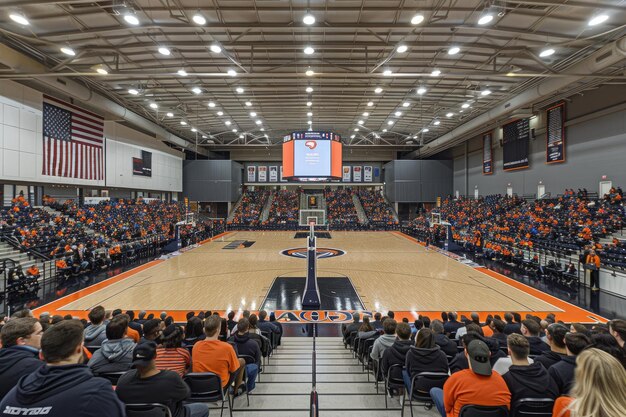
The men's and women's basketball programs represent OCU's most visible athletic offerings. The women's basketball team has historically maintained stronger conference performance than the men's team, which shifts the promotional focus in ways unusual for most college programs. Games are played in the Abe E. Martin Field House, located on the university's campus near NW 23rd Street in the Midtown area. Unlike the 14,000-seat Chesapeake Energy Arena where the Thunder play downtown, the Field House seats around 1,500 for basketball, which means games feel genuinely accessible. Ticket prices for OCU basketball games run substantially lower than professional events; single-game admission typically falls between $5 and $10 for general seating, making a family outing feasible without the cost commitment required for Thunder games or OU football trips to Norman.
The athletic schedule follows a September-through-May academic calendar. Basketball season runs November through February for conference play, which overlaps with the Thunder's NBA season. This scheduling creates an interesting tension in Oklahoma City's sports calendar: fans interested in college basketball must choose between watching professional-level play downtown or supporting a local Division II program. The practical advantage of OCU games is proximity and cost, not performance level. Attendance reflects this reality. OCU basketball draws respectable crowds from the university community and Midtown residents, but not the kind of neighborhood-wide turnout that shapes local culture the way Thunder games do.
Cross country and track and field programs operate with less public visibility but consistent competitive participation. These programs benefit from OCU's central location and relatively accessible coaching. Students balancing Division II athletics with academic coursework at a private university face different pressures than athletes at large state programs where athletic scholarships and athletic dorms create semi-professional training environments.
Baseball and softball programs compete at facilities on the university's north campus. These sports operate on tighter budgets than football-focused programs at schools like Oklahoma State University in Stillwater (about 65 miles northeast). Unlike the Big 12 conference schools nearby, OCU athletics do not draw corporate sponsorship at the same scale, which affects facility quality and game-day operations. The trade-off is genuine: less elaborate infrastructure, but also less emphasis on winning at any cost and fewer recruiting violations in the local news.
The evaluative question most readers face is whether attending OCU events makes sense compared to alternatives. For fans wanting to see competitive college athletics at low cost with genuine community feel, OCU provides actual value. A family spending $30 on four basketball tickets at OCU plus parking and concessions stays well under $100. The same family attending a Thunder game spends roughly $150 minimum, and OU football in Norman requires a drive north and significantly higher per-ticket cost during conference play. For fans who want high-level athletic performance specifically, neither OCU nor small-conference Division II programs compete with Norman or nearby Texas schools.
The strongest argument for OCU athletics attendance is proximity combined with genuine collegiate experience. The university is located in Midtown Oklahoma City, accessible from downtown (about 3 miles), Bricktown, and the surrounding neighborhoods without the traffic patterns required for Norman trips. Games feel local in a way that professional sports do not, which appeals to people invested in specific student-athletes or the institution itself. Parents of OCU students, obviously, have direct incentive to attend. Casual sports fans exploring Oklahoma City's athletic landscape should understand that OCU represents mid-tier college competition with genuine community character, not a substitute for Thunder games or a backup option for OU fans.
The athletic department also hosts occasional recruiting showcases and summer camps that serve as entry points for younger athletes. These programs run throughout summer months and provide access to collegiate coaching for regional players considering Division II recruitment. The camps cost less than elite AAU travel programs while offering genuine college-level instruction.
For someone genuinely interested in supporting student-athletes across multiple sports, OCU's smaller scale means tickets and events are attainable. The athletic calendar maintains recognizable rhythms without overwhelming the academic schedule in ways that shape some larger programs. This appeals to people who value education-first institutional cultures, though it also means OCU will never generate the kind of sports-first reputation that defines schools built around big-revenue athletics.
The practical takeaway: OCU athletics deserve consideration only if you specifically value proximity, low cost, or connection to the institution. If you are seeking elite college athletics or professional-quality play, the university's Division II status removes it from that conversation entirely. For Midtown residents, OCU parents, and people interested in accessible local sports experiences, the program occupies legitimate space in Oklahoma City's athletic landscape.