When Oklahoma City Thunder Make the NBA Finals: What Fans Need to Know
The Oklahoma City Thunder have never won an NBA championship, but they have reached the Finals once: the 2012 postseason, when they lost to the Miami Heat in five games. Understanding that trajectory, and what Finals participation would mean for the franchise and the city, requires looking at how the Thunder function within Oklahoma City's sports infrastructure and what barriers remain between regular-season competence and a championship run.
The 2012 Finals and What It Revealed
The Thunder entered the 2012 Finals as the youngest team ever to reach that stage. Kevin Durant, Russell Westbrook, and James Harden were all under 24 years old. They won Game 1 at Chesapeake Energy Arena (now Paycom Center) before losing the next four games. That single Finals appearance established Oklahoma City as a legitimate NBA market after the franchise relocated from Seattle in 2008. The city, which had not hosted an NBA team since the original Oklahoma City 89ers in the 1970s (a minor-league affiliate), suddenly had a Finals contender.
The loss stung, but it validated an investment. Oklahoma City's municipal leadership had secured a $205 million public financing package for the arena, and the Thunder's rapid ascent to Finals contention proved the gamble defensible to taxpayers and boosters. Without that single Finals run, the Thunder's long-term standing in the city would be measurably different.
Current Roster Position and Finals Likelihood
As of early 2024, the Thunder are built around Shai Gilgeous-Alexander, Jalen Williams, and Chet Holmgren. The team has compiled one of the best regular-season records in the Western Conference and has moved from rebuilding into sustained contention. However, reaching the Finals requires navigating a path through teams with Finals experience, deeper benches, and established playoff rhythms. The Thunder have drafted well and avoided major financial pitfalls, but they have not yet developed the playoff consistency that separates conference finalists from conference runners-up.
A Finals return would require either Gilgeous-Alexander to elevate his playoff performance materially or the supporting cast to stabilize in high-pressure series. The 2012 team had veteran point guard Derek Fisher and a clearer hierarchy. The current roster has talent but less postseason mileage.
Paycom Center's Role in Finals Success
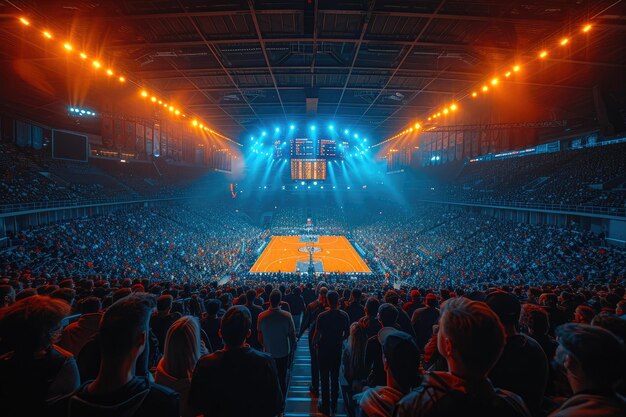
If the Thunder reach the Finals, Paycom Center becomes the operational anchor. The arena seats 20,200 for basketball and sits in the Bricktown entertainment district, roughly three miles south of downtown Oklahoma City. During the 2012 Finals, the venue handled crowds routinely above 19,000, with standing room and suite sales pushing effective capacity higher on some nights.
Parking around Paycom Center is distributed across multiple lots operated separately; fans attending Finals games should plan for $10 to $20 per vehicle, depending on proximity. The Bricktown area has hotels within walking distance (notably the Aloft Oklahoma City Downtown at Bricktown, roughly 0.7 miles away), and the Streetcar line connects the arena to downtown hotels and the Plaza District. During a Finals series, that transportation becomes significant; game traffic on Robinson Avenue and Reno Avenue can delay arrival by 20 to 30 minutes during evening games.
Concessions at Paycom Center are priced at NBA standards: $14 to $18 for a beer, $12 for popcorn. Suite packages and premium seating often sell out before the series begins. Secondary market tickets for Finals games in Oklahoma City typically range from $200 to $800 for lower-bowl seats, compared to $500 to $2,500 in larger markets.
What a Finals Return Would Mean for the City
Oklahoma City's professional sports landscape is relatively narrow. The Thunder are the only major North American sports franchise. The Oklahoma Sooners football program is the regional obsession, but that is a college enterprise. A Thunder Finals run would dominate local attention and media coverage in ways that ripple beyond sports. Restaurant reservations near Bricktown become difficult during game nights. Local news stations shift coverage to accommodate pregame and postgame analysis. Youth basketball participation spikes.
The 2012 Finals generated an estimated $70 million in direct spending for the Oklahoma City metropolitan area, according to analyses from the Greater Oklahoma City Chamber, though that figure includes multiplier effects and is difficult to verify independently. What is measurable is that Finals games draw fans from across the state and region; Oklahoma has no other NBA market within 800 miles, so a Finals series essentially becomes a regional event.
Historical Context and Franchise Stability
The Thunder franchise carries weight beyond wins and losses. The Seattle SuperSonics were relocated to Oklahoma City by owner Clay Bennett in 2008 after the city secured public financing. That move remains controversial in Seattle and colored the Thunder's early identity. The 2012 Finals appearance partly defused that tension; Oklahoma City had proven it could support an NBA franchise seriously.
If the Thunder return to the Finals, it becomes a narrative reset. The franchise would move from "the relocated team that reached the Finals once" to "the relocated team that sustained excellence." That distinction affects long-term engagement, sponsorship renewal, and whether the investment feels vindicated to the public officials who approved it.
Barriers to Finals Contention
The Western Conference remains stacked. The Denver Nuggets (2023 champions), the Golden State Warriors, and the Los Angeles Lakers have deeper playoff experience. The Thunder have avoided major injuries to Gilgeous-Alexander, but depth is thinner than title contenders require. Bench scoring and three-point shooting remain inconsistent. The draft-and-develop model that built the 2012 roster is harder to replicate now that teams across the league do the same.
A Finals return requires not just player talent but also specific health timing, avoiding injuries in the second and third rounds, and marginal improvements in crunch-time execution. The Thunder have the ceiling for it; the probability remains modest.
Practical Takeaway
For fans or those considering attending a potential Thunder Finals series, advance planning is essential. Paycom Center tickets sell quickly, and secondary market prices spike. Transportation to Bricktown requires either parking tolerances or reliance on the Streetcar. Hotel rooms in the area book solid within days of Finals confirmation. The event itself will reshape the city's attention and conversation, but the logistics of experiencing it demand early decisions and realistic budgeting. A Thunder Finals run remains possible but requires sustained execution that the franchise has not yet demonstrated over a full postseason.