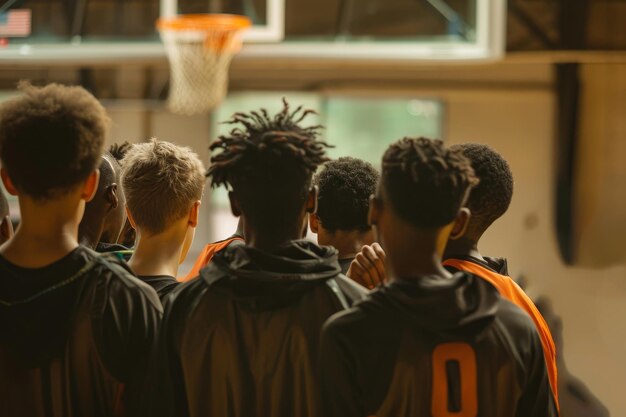
Summer Basketball Training at the Thunder's Development Hub
The Oklahoma City Thunder runs seasonal basketball camps for youth and teens through its official program, operating primarily during summer months at facilities connected to the team's operations. This guide covers what these camps offer, how they structure skill development, what to expect in terms of cost and logistics, and how they compare to other organized basketball training in the metro area.
The Thunder's Camp Model
The Thunder organization uses its camps to identify athletic talent, teach fundamentals aligned with NBA-level coaching principles, and serve the broader Oklahoma City community. Unlike one-off clinics or traveling showcases, the Thunder's official program runs for multiple weeks and splits participants by age and skill level. Campers work with instructors who have direct or indirect ties to the organization's basketball operations.
The camps typically run in June and July, with sessions lasting one to two weeks. Day camps (morning or afternoon slots) cost less than overnight residential options. Exact pricing varies by session length and intensity; day camps generally start around $200 to $400 per week, while multi-week enrollment or advanced skills tracks may run higher. Registration opens in spring, and popular sessions fill before June. The Thunder announces camp dates and rates through its official website and social media channels in March or April each year.
Location and Access
Most Thunder camps operate at facilities in central Oklahoma City or in close proximity to Chesapeake Energy Arena (now Paycom Center) in downtown. Some sessions use satellite locations in surrounding areas like Norman or Edmond to reduce travel time for families outside the immediate urban core. Check the Thunder's registration materials for the specific venue, as camp locations can shift year to year based on facility availability and demand.
Transportation is a practical consideration. Downtown parking near Paycom fills during events, but daytime camp sessions typically have less congestion than game-day traffic. Families using public transit should confirm whether OKC EMBARK bus routes connect directly to the session venue, as not all Thunder facilities sit on major transit corridors.
Skill Tracks and Age Divisions
Camps separate into cohorts: elementary school (roughly ages 7 to 11), middle school (ages 12 to 14), and high school (ages 15 to 18). Each tier emphasizes different mechanics. Younger divisions focus on ball handling, shooting form, footwork, and court awareness. Middle school tracks introduce defensive principles and transition play. High school sessions often blend individual skill work with competitive 5-on-5 scrimmages and film review.
Specialized tracks exist for certain positions or styles. A point guard intensive, for example, focuses on pick-and-roll execution and decision-making under pressure. A post player track emphasizes footwork in the paint, screen-setting, and positioning. These focused sessions usually cost more and require a minimum skill level; the registration form typically asks coaches or parents to self-assess the camper's experience.
Mixed-ability sessions pose a trade-off. A general skills camp groups kids by age but allows a range of abilities, which means advanced players may plateau while beginners get accessible instruction. Dedicated advanced or elite camps separate stronger athletes, accelerate the pace, and introduce more nuanced tactics, but cost more and may intimidate younger or less experienced players.
Instruction Style and Coaching Staff
Thunder camps employ a blend of full-time Thunder development coaches, part-time instructors (often college or semi-pro players), and volunteer assistants. The organization emphasizes teaching NBA-style fundamentals: efficient footwork, high-percentage shot selection, and decision-making that mirrors how the Thunder's own players operate. This alignment with professional standards is the camps' chief advantage over generic community recreation leagues.
Instruction is station-based: small groups rotate through shooting, ball handling, defensive positioning, and scrimmage time. This structure limits one-on-one correction but allows more touches and repetitions per camper than larger clinics. Expect 8 to 12 campers per station, with instructors watching each player's technique for at least a few minutes per rotation.
Competition between campers is built in. Thunder camps often host end-of-session scrimmages or tournaments where participants play against each other. These contests are not elimination-style cuts; rather, all campers play, and the structure creates motivation without exclusion. Some camps award certificates or recognition, and a few invite standout high school players to showcase their skills in front of coaches.
Comparison to Other Metro Programs
Norman Youth Basketball Association runs year-round recreational leagues and seasonal camps but operates on a broader, less specialized model. Their focus is participation and fun; instruction exists but follows standard youth recreation guidelines rather than professional basketball methods.
OKC Parks and Recreation operates community centers with open gym hours and pick-up leagues, useful for informal play but not organized coaching.
Private skill academies operate year-round in the metro area, such as trainer-led programs that focus on one player at a time or very small groups. These cost $60 to $150 per hour and offer highly personalized feedback; the trade-off is less peer competition and no team-building element. The Thunder's camp model sits between these options: cheaper than private coaching, more specialized than recreation leagues, and built around group dynamics.
AAU basketball clubs offer competitive travel teams with regular practice and tournament schedules. These are year-round and more expensive ($1,500 to $3,000+ annually), and they demand a serious commitment. Thunder camps are shorter and lighter, making them a reasonable entry point for families unsure whether their child wants to pursue competitive ball.
Practical Steps to Register
Registration occurs online through the Thunder's official site in spring. You'll select a session, age group, and any specialized track if available. Payment is due at registration, and most camps do not issue refunds if you withdraw after a set deadline (typically two to three weeks before camp start). Check the refund policy before committing.
Bring a signed waiver, athletic shoes with good ankle support, a water bottle, and a basketball if the camp requires it (many provide practice balls on-site but allow personal equipment). The Thunder publishes a packing list closer to camp dates.
Transportation on the first day requires arriving 10 to 15 minutes early to check in and confirm your camper's group assignment. Plan extra time if you're unfamiliar with the venue or parking situation.
Takeaway
Thunder camps deliver instruction aligned with professional basketball standards and connect young players to the organization's development network. They're best suited for kids already interested in basketball who want exposure to above-average coaching without the year-round and financial commitment of competitive AAU or club travel teams. Registration fills early, so check the Thunder's website in March if summer camp interests you.