How the Oklahoma City Thunder Shaped the City's Draft Infrastructure
The NBA draft matters to Oklahoma City in ways most mid-market cities don't experience. Since the Thunder relocated here in 2008, the draft has become a focal point for how the franchise builds its roster, and the city's sports infrastructure has evolved to accommodate both the team's front-office operations and fan engagement around draft night. Understanding the mechanics of how Oklahoma City connects to the draft process reveals something about the franchise's long-term strategy and what to expect when draft season arrives.
The Thunder's Draft Strategy and Market Position
Oklahoma City's draft approach differs measurably from larger markets because the team operates with different salary cap constraints and roster-building timelines. The Thunder have used the draft as their primary talent acquisition tool, particularly after Kevin Durant's 2016 departure. This reliance on draft picks, rather than free-agent spending, is structural: Oklahoma City is not a destination franchise in free agency. When Russell Westbrook departed in 2019 and Paul George in 2020, the team received draft compensation that shaped the subsequent rebuild.
The team's most recent draft picks have reflected a clear position-building pattern. In 2023, Oklahoma City selected Jalen Williams (15th overall) and Jaylin Williams (12th overall), both wings. In 2022, they took Paolo Banchero (1st overall) before trading him to Orlando, a move that netted them additional assets. This pattern of selecting high-upside players and strategic trades suggests the front office treats the draft as a multi-year asset management tool rather than a one-year roster fix.
For fans tracking the Thunder, this means draft night carries unusual weight. A single pick can shift the team's direction for a half-decade, and Oklahoma City's relatively small media market means fewer national draft analysts live-blog the Thunder's process compared to New York or Los Angeles teams.
Where Fans Experience Draft Night Locally
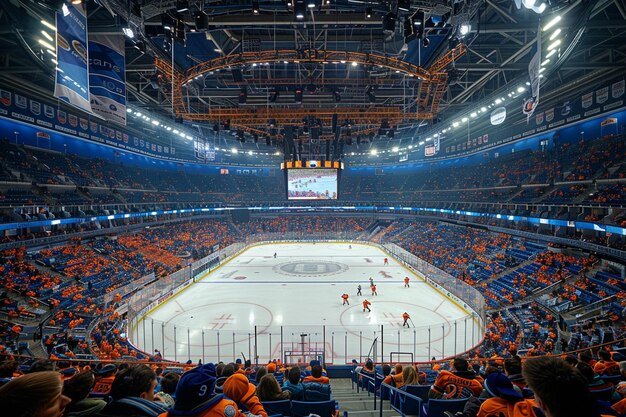
The Paycom Center, home of the Thunder since 2002, becomes the city's primary draft gathering point. While the NBA draft itself typically occurs in a rotating host city each year (not always Oklahoma City), fans in the metro area still converge on the arena or watch parties when picks are announced. The arena's location in downtown Oklahoma City makes it accessible via the Bricktown district, where sports bars and restaurants fill with fans on draft night.
The Thunder's practice facility and administrative offices occupy space in the Montrose area, south of downtown, though the front office typically keeps draft preparations behind closed doors. Unlike the national draft broadcast, which features glossy stage production, the Thunder's local draft room operates like most NBA franchises: scouts, analytics staff, and executives watching feeds and communicating with league headquarters.
For fans seeking a more immersive experience, traveling to the actual NBA draft when held in accessible cities (Denver, Las Vegas, or the coasts) is practical; Oklahoma City sits within 12 hours of Denver, which hosted the draft in 2023, allowing local supporters to attend in person without extreme travel costs.
The Local Basketball Academy Pipeline
Oklahoma City's draft relevance extends beyond the Thunder. The city and surrounding metro area have developed a secondary ecosystem of basketball training facilities and AAU programs that feed into college and eventually the NBA pipeline. Players from Oklahoma institutions who reach the draft receive heightened coverage locally because of regional connection.
The University of Oklahoma (Norman, 30 miles north) produces draft picks intermittently. Recent examples include Trae Young (drafted 5th overall in 2018, though he transferred from OU after one season) and earlier first-rounders. When OU players hear their names called, Oklahoma City media and fans track them closely, even if they're drafted by other teams. This creates a secondary draft narrative: not just "which players did the Thunder pick," but "which Sooners got selected."
Oklahoma State University (Stillwater, 90 miles northeast) similarly generates NBA draft interest. The pipeline isn't as direct as Arizona or Duke, but the proximity means local awareness of college basketball is higher than in non-college-basketball states.
Practical Information for Following the Draft Locally
The NBA draft broadcast typically occurs in late June, running two days. The first round is usually evening (around 7 p.m. ET / 6 p.m. CT for Oklahoma City). The second round follows on subsequent days. Streaming occurs on ESPN, ABC, and NBA.com; local sports radio in Oklahoma City (98.7 FM's WWLS covers the Thunder extensively) provides live commentary and call-in analysis during the broadcast.
If you want to attend draft watch parties, major sports bars in the Bricktown Entertainment District, Midtown, and Uptown neighborhoods typically host viewing parties on draft night, particularly when the Thunder hold early picks. These fill hours before tip-off, so arriving early ensures seating. Some charge cover fees during playoff season, but draft night parties are usually free admission.
Ticket prices for the national draft itself, when held outside Oklahoma City, range widely. In 2023 (Denver), single-session tickets started around $50 and reached $200 for premium lower-bowl seating. If the draft returns to Oklahoma City, the Paycom Center would be the venue, and pricing would likely follow NBA norms for exhibition events: $25 to $150 depending on location.
What Draft Day Reveals About the Thunder's Long Game
Observing how the Thunder approach the draft provides a clearer picture of franchise direction than any single season record. A team selecting playmakers and wings signals interior investment elsewhere (through trade or free agency). A team loading up on big men suggests system changes ahead.
Over the past five seasons, the Thunder's draft picks have trended toward perimeter versatility and secondary playmaking. This reflects head coach Mark Daigneault's system, which emphasizes ball movement and defensive switching. The 2023 selections of both Williams brothers (Jalen and Jaylin) fit this profile exactly. Neither was a traditional primary ball-handler; both offer two-way competence and fit roles within a larger system. This is how teams in non-major markets actually build: patiently accumulating role players who collectively function at starter level.
For fans who simply want to know where the Thunder stand, draft night is less about drama and more about confirmation. If Oklahoma City adds another wing or playmaker, the front office is still executing the multi-year plan. If they pivot to luxury spending or surprise trades, something has shifted.
The Thunder's draft approach remains conservative and methodical, which reflects both the market and the franchise's post-2016 philosophy. Oklahoma City is not Las Vegas or Miami, and the team doesn't build like one. Instead, draft strategy in Oklahoma City is about assembling pieces methodically, evaluating fit rigorously, and executing patient roster construction. Draft night serves as a checkpoint on that longer timeline.