The Oklahoma City Thunder: What Fifteen Years of NBA Basketball Built
The Thunder arrived in Oklahoma City in 2008 after the franchise relocated from Seattle, and the team's presence has fundamentally shaped how the city thinks about itself as a sports market. This guide covers what the Thunder organization means to Oklahoma City's sports identity, how to engage with the team as a fan, what the franchise's competitive arc tells you about the city's trajectory, and the practical details of attending games.
A Fast Ascent and Its Limits
The Thunder's first decade was remarkable by any standard. The team drafted Kevin Durant third overall in 2007, before the relocation, and immediately began competing at a level that transformed Oklahoma City from a city without major-league sports to one with playoff credibility. By 2012, the Thunder reached the Finals with Durant, Russell Westbrook, and James Harden on the same roster. That Finals loss to Miami hurt, but it established Oklahoma City as a place where top-tier basketball talent would play and develop.
That window closed. Harden was traded to Houston in 2012 in a salary-cap decision that remains controversial. Durant left for Golden State in 2016. Westbrook, the franchise cornerstone, was traded to Houston in 2019. The competitive core fragmented, and the Thunder entered a rebuild that has lasted longer than the ascent.
The current roster centers on younger players acquired through the draft and trades, with Shai Gilgeous-Alexander as the centerpiece. Gilgeous-Alexander signed a supermax extension with the team in 2023, signaling commitment in both directions. The Thunder are competitive again, though not yet at the title-contention level of the Durant era. Understanding this arc matters because it explains why longtime fans carry both pride in the 2012 Finals run and frustration about what might have been.
Watching from Chesapeake Energy Arena
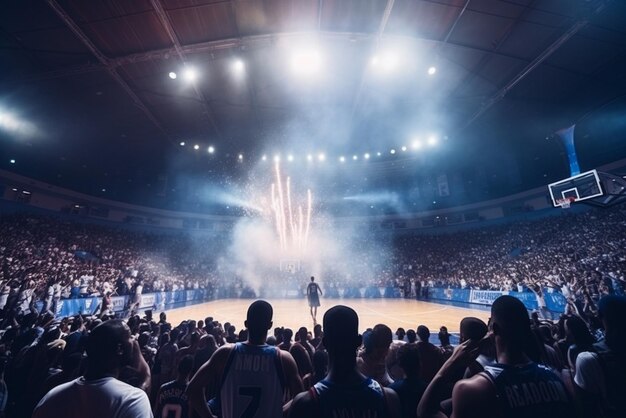
Home games happen at Chesapeake Energy Arena in downtown Oklahoma City, a facility that opened in 2002 as the Ford Center and has been renovated incrementally. The building sits near Robinson Avenue and holds just over 20,000 for basketball. Ticket prices vary significantly by opponent and day of the week; a weeknight game against a lottery team typically ranges from $30 to $100 for upper-level seats, while weekend games against Eastern Conference contenders or Lakers games can reach $150 to $300+ for comparable seats. Regular-season games run from October through April, with playoff games extending the calendar into May if the Thunder make a run.
Parking near the arena costs $15 to $20 for most games, with some lots offering discounts for advance purchase. Public transit to the arena is limited; EMBARK, the local transit authority, operates bus routes to downtown, but many attendees drive. The arena neighborhood has developed gradually; restaurants and bars cluster on and near Robinson Avenue and Bricktown, a few blocks east, which offers additional dining and entertainment options before or after games.
The gameday experience at Chesapeake includes standard NBA amenities: concessions are priced at market rate (expect $15 to $20 for a beer, $8 to $12 for pizza or nachos), and the arena hosts a standard halftime show. Crowds are engaged but not overwhelmingly loud compared to markets like Portland or San Antonio. The arena's age shows in some details, and renovation has been episodic rather than comprehensive, but functional.
What Fandom Means Here
The Thunder matter differently in Oklahoma City than the Lakers matter in Los Angeles or the Celtics in Boston. Those franchises have decades of history baked into regional identity. The Thunder have been here for fifteen years, which is real but also recent. Fandom splits somewhat generationally. Fans who grew up with college basketball, particularly Oklahoma Sooners and Oklahoma State Cowboys fans, often treat the Thunder as secondary to their college loyalties. Younger fans and transplants more often prioritize NBA basketball.
The college game remains the dominant draw in the state. Allen Fieldhouse is in Kansas, but the Sooners and Cowboys fill their arenas and command media attention. High school basketball, particularly in rural areas, is also serious business. The Thunder operate in this landscape, not as the apex of sports attention but as one significant piece.
That matters when deciding whether to follow the team closely. If you are already embedded in Oklahoma City college basketball culture, the Thunder integrate into that ecosystem rather than replace it. If you are new to the city or primarily interested in NBA basketball, the Thunder are accessible and the games are easier to attend than in markets with larger populations and longer waiting lists.
Following the Team Beyond the Arena
Local coverage comes primarily from The Oklahoman newspaper, which covers the Thunder on the sports section, and from NBA-wide outlets (ESPN, The Athletic, others). The Thunder operate their own media channels and broadcast local games on Bally Sports Oklahoma, a regional sports network. Radio coverage runs through various Oklahoma City stations depending on the broadcast partner in a given season.
The team hosts training camp before the regular season at a facility outside the city, with some sessions open to the public. Attending training camp is much cheaper than a regular-season game and offers a different angle on player development and roster composition. Specific dates and public access policies vary by year; the Thunder's official website provides details.
The Practical Bottom Line
Attending a Thunder game is straightforward: buy tickets online through StubHub, Ticketmaster, or the team's official site; plan for parking; arrive 30 minutes early if you want to get food and find your seat without rushing. The team plays 41 home games per season, so finding a game that fits your schedule is usually possible. Expect to spend $60 to $150 per ticket for a decent seat to a non-premium game, plus $20 for parking and $20 to $30 on food and drink if you want them.
The Thunder are a solid sports product in a city that still builds its sports identity. They are not a destination franchise, but they are worth your time if you like basketball.