Ice Hockey in Oklahoma City: Finding Your Rink and Understanding the Local Game
Hockey in Oklahoma City occupies an unusual position. The city has no major professional team, no NCAA Division I program, and no year-round indoor arena dedicated primarily to ice sports. Yet the sport sustains itself through junior leagues, recreational programs, and a loyalist audience that travels to watch teams in nearby regions. This guide covers where to play, where to watch, and what the structural reality of hockey looks like in a market built around basketball and football.
Where the Sport Happens
The only year-round indoor ice facility in Oklahoma City is the Blazers Ice Center, located in northwest Oklahoma City. The rink operates two sheets of ice and hosts most organized hockey activity in the metropolitan area. This single facility creates a bottleneck: all competitive leagues, learn-to-skate programs, and open skating sessions run through the same schedule. On weekend mornings, you'll find youth travel teams; afternoons typically feature high school or adult leagues; evenings rotate between public skating and competitive play. The consequence is limited flexibility if you're choosing between multiple rinks in the same city. You're not comparing arena atmospheres or drive times across town. You're working within one operational footprint.
The Blazers Ice Center charges $8 to $12 per person for public skating sessions, typically held Friday and Saturday evenings and Sunday afternoons. A season pass for recreational hockey league play costs between $800 and $1,200 per player, depending on age division and whether you join a team or register as an unaffiliated skater waiting for placement. Learn-to-skate programs run in eight-week blocks at approximately $120 to $160 per child.
Organized Play: Youth and Adult Tiers
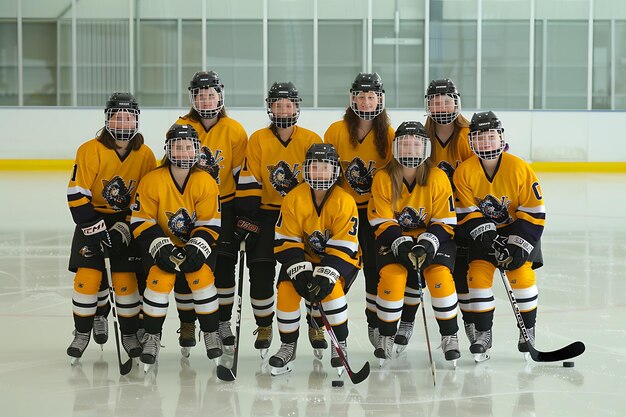
Youth hockey in Oklahoma City runs through the Sooner Hockey Association, which organizes travel and recreational teams from U8 through U18 age groups. The recreational tier is the entry point for families. Teams play a 12 to 16-game season from November through February, practicing once or twice weekly at the Blazers facility. Travel teams, drawn from the recreational pool, compete regionally against clubs from Texas, Kansas, and Missouri. The jump from recreational to travel involves not just higher skill demand but geographic commitment: regional tournaments often require weekend travel to Dallas, Tulsa, or Kansas City.
Adult hockey divides into three competitive levels at the Blazers center. The competitive league attracts former college players and serious skaters willing to pay higher fees and commit to a full season. The intermediate league skews toward players who played youth hockey but stepped away and have returned as adults. The recreational league has the lowest barrier to entry; teams are often assembled from a pool of individuals rather than pre-formed groups, and players pay a flat fee rather than splitting a team budget. Substitutes are frequently available if a team needs bodies for a particular game.
Watching Hockey: The Regional Obligation
Oklahoma City has no minor professional franchise, which means hockey viewing requires looking outward. The nearest professional options are the Tulsa Oilers of the ECHL, playing in Tulsa roughly 100 miles northeast, and various college teams in the NCHC and other conferences across the region. The Oilers operate from October through April and draw a modest but dedicated crowd; tickets typically range from $15 to $30 depending on opponent and seating. Driving to Tulsa for a Friday or Saturday night game is logistically feasible for Oklahoma City fans who want live professional hockey without traveling to Dallas or beyond.
High school hockey provides a local spectator alternative during winter months. Several Oklahoma City-area high schools compete under the Oklahoma Secondary Schools Activities Association (OSSAA) framework. These games are free or charge nominal admission ($3 to $5), making them accessible for casual viewers. The competitive level is uneven; schools with established programs field teams capable of competing across the state, while newer programs are still building rosters and infrastructure. Games are typically played at the Blazers Ice Center on weekday evenings.
Skate Quality and Facility Constraints
The Blazers Ice Center maintains both sheets to NHL standards for surface flatness and temperature, but the facility itself shows its age. Seating is limited and uncomfortable for spectators; most attendees stand along the boards during games. The pro shop stocks basic equipment and skate sharpening services. Rental skates are available for public skating sessions but are known to be poorly maintained and uncomfortable. Anyone planning to skate more than once should invest in their own pair, which starts around $100 for entry-level recreational skates.
The single-facility structure affects team development. Younger age groups practice during off-peak hours (early mornings or late afternoons), which limits ice time. Competitive teams at U14 and above often practice 2 to 3 times weekly, but this means staggered sessions that can conflict with school schedules. High school players sometimes travel 30 minutes outside Oklahoma City to access additional ice time through satellite programs in surrounding towns.
The Broader Sports Landscape
Hockey exists in Oklahoma City as a niche sport within a basketball-dominant market. The Oklahoma City Thunder draws the city's professional sports attention and investment. High school football commands the cultural spotlight in a way ice hockey never will. This context matters for understanding hockey's place locally: it's a sport with dedicated participants and a small audience of loyalists, but it lacks the infrastructure investment and media coverage that characterize major American sports cities.
The population base in Oklahoma City proper is approximately 650,000, and the metro area exceeds 1.3 million. These numbers support multiple thriving youth sports, but hockey ranks behind soccer, baseball, swimming, and gymnastics in participation rates. This means fewer peer players for young skaters entering the sport and less social exposure to the game among families exploring after-school activities.
Practical Steps for Participation
If you're an adult wanting to play recreational hockey, contact the Blazers Ice Center directly to learn which league sessions run during the season and what the current registration deadlines are. Most leagues form rosters in September and October for November through February play. You'll need your own skates and basic equipment; a stick and helmet can be rented or borrowed initially.
For families introducing children to skating, the eight-week learn-to-skate program is the standard entry point. These classes run multiple times per season and fill regularly. Register early if a specific time slot matters to your schedule.
If you want to watch, the most reliable option is driving to Tulsa for an Oilers game or catching a local high school game at the Blazers center on a Friday night. Professional hockey is 100 miles away. Everything else happens in one building in northwest Oklahoma City.