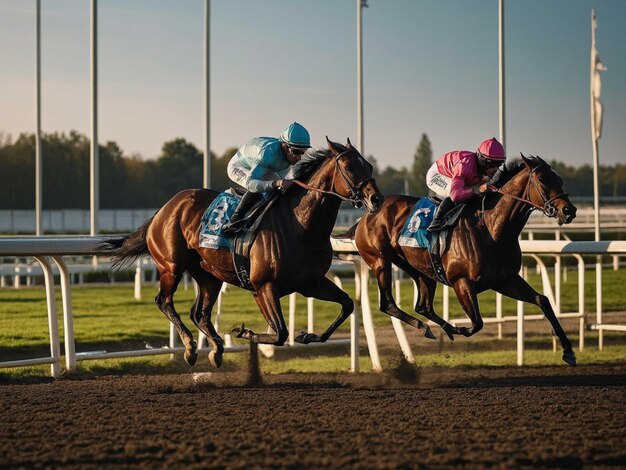
Thoroughbred Racing in Oklahoma City: What Remains and What Changed
Readers looking for horse racing in Oklahoma City will find the landscape narrower than it was twenty years ago. This guide covers what racing infrastructure exists in the metro area, how the regulatory environment shifted, and where fans actually go now if they want to watch live thoroughbred racing.
The Current State of Live Racing
Oklahoma City no longer hosts a major thoroughbred track. Remington Park, which operated in nearby Thackerville (just over the Oklahoma-Texas border in Marshall County) for decades and served as the primary racing venue for the region, permanently ceased live racing operations. The facility pivoted entirely to its casino and gaming operations, removing the racing card that once drew weekday crowds from Oklahoma City proper.
This closure means OKC residents seeking live thoroughbred racing in real time now travel northwest to Woodward County for the shortened annual meet at Beaver County Racetrack (historically seasonal, typically spring), or south across the border to tracks in the Dallas-Fort Worth metroplex like Lone Star Park in Arlington, Texas, which runs thoroughbred and quarter horse meets year-round and sits roughly three hours' drive from downtown Oklahoma City.
Quarter Horse and Paint Horse Racing as the Local Alternative
While thoroughbred racing evaporated as a live spectator sport in the immediate metro area, quarter horse and paint horse racing maintained stronger roots in Oklahoma culture. The state's rodeo and ranching heritage kept these shorter-distance racing formats embedded in county fairs and dedicated facilities across central Oklahoma.
The Oklahoma horse racing regulatory structure, overseen by the Oklahoma Horse Racing Commission, permits quarter horse and paint horse racing at licensed tracks where thoroughbred racing no longer operates. This creates a different betting and spectator environment than what existed during Remington's peak years. Quarter horse races run 220 to 870 yards compared to the 5-furlong and 1-mile distances of thoroughbred racing, producing races decided in seconds rather than minutes. The pace, strategy, and audience composition differ substantially.
Where OKC Residents Bet on Racing
Simulcast wagering became the practical solution for Oklahoma City-area racing fans after live racing consolidation. Most significant casinos and card rooms in Oklahoma operate simulcast betting windows that broadcast live racing from tracks nationwide. This allows betting on Keeneland, Churchill Downs, Belmont Park, and other major tracks without traveling, though it removes the spectator element entirely.
The shift reflects a broader national trend: while purses and handle at major thoroughbred tracks have grown, the number of racing days at regional tracks has contracted. Consolidation toward premier venues (Kentucky, New York, California) accelerated after 2010 as states prioritized casino development over racing infrastructure.
The Economic and Regulatory Shift
Oklahoma's decision to license casino gaming at certain facilities fundamentally altered racing economics. A track operator could generate more consistent revenue from gaming machines and table games than from maintaining racing operations. Remington Park's owners chose to fully optimize gaming revenue rather than subsidize racing cards with modest daily attendance. The track's land value and the operational overhead of maintaining racing infrastructure made the conversion rational from a business standpoint.
The Oklahoma Horse Racing Commission continues to license racing, but licenses go primarily to facilities running shorter quarter horse meets as part of county fairs or rodeo events. These operate on a different economic model than a professional daily racing venue, relying on entry fees from horsemen and state fair attendance rather than pari-mutuel handle.
Practical Options for OKC Racing Fans
For thoroughbred racing specifically, OKC residents have two realistic paths. One is the simulcast wager at venues with betting windows, which allows following racing without travel but removes the track experience. The second is a road trip to a functioning track. Lone Star Park in Arlington runs a full schedule (February to May and September to November for thoroughbreds) and attracts Oklahoma horsemen and bettors regularly. The drive sits under three hours from downtown OKC, putting it within a day-trip range. Racing there occurs Wednesday through Sunday during meet weeks, with Friday and Saturday drawing larger crowds.
Quarter horse racing remains accessible closer to home. Several county fairs in central Oklahoma (including the Canadian County Fair and the Oklahoma State Fair in Oklahoma City itself during September) incorporate racing into their annual programming. These are seasonal rather than weekly propositions.
What This Means for Bettors and Spectators
The loss of daily live racing removed a form of entertainment that had continuity and routine. For serious handicappers, the shift to simulcast creates different decision-making: you're betting against pools populated primarily by professionals and strong amateurs (the weak-field wagering at small tracks disappears). For casual spectators, the arena atmosphere, food offerings, and social aspect of a live racing day vanished entirely.
Fans who moved toward quarter horse racing found a faster, more volatile product with different handicapping requirements. Fans who shifted to simulcast discovered lower overhead (no track admission fee) but also lower stakes and smaller social draw.
The practical takeaway is straightforward: if you want live thoroughbred racing in the Oklahoma City metro, you now need to travel. If you want to wager on racing, simulcast betting offers immediate convenience. If you want a live racing experience with Oklahoma roots, quarter horse meets at county fairs provide access to the sport's local traditions, though on a limited seasonal basis rather than year-round.