Where to Find Vintage in Oklahoma City: A Buyer's Guide
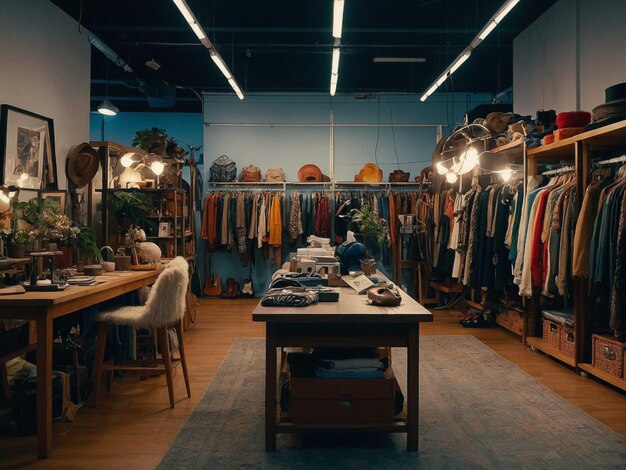
Vintage shopping in Oklahoma City splits into two distinct retail patterns: concentrated storefronts in the Midtown and Paseo Arts District corridors, where rent supports specialized dealers, and scattered independent operators in older neighborhoods like Nichols Hills and near Bricktown. The difference matters. Midtown shops rotate inventory quickly and maintain higher price floors; neighborhood locations often carry deeper back-stock and negotiate more flexibly on mid-range pieces. This guide covers the evaluative question most shoppers need answered: where to go based on what you're seeking, how much you want to spend, and whether you value curation or selection depth.
The Midtown Advantage
Midtown's vintage cluster, centered on NW 23rd Street between Robinson and Western avenues, operates on the model of established vintage as a destination category. Shops here treat vintage as editorial retail, not clearance. Inventory typically runs $40 to $300 per piece for clothing; furniture and larger goods scale higher. Hours tend to be predictable: most open 11 a.m. to 6 p.m. Tuesday through Saturday, closed Sunday and Monday. This concentration means you can see five or six dealers in a single trip without backtracking across the city.
The tradeoff is selectivity. Midtown vintage shops curate aggressively. If you want a 1970s Halston dress or a mid-century modern credenza, these locations maintain the kind of inventory depth that justifies the price premium over thrift stores. If you want a bulk of options to sort through at lower price points, Midtown is not the first stop.
Paseo Arts District, located south of NW 23rd Street around the galleries and studios between Robinson and Dewey, hosts one or two dedicated vintage retailers alongside broader antique and design shops. The Paseo operates on the arts-district model: fewer shops, higher visual presentation, weekend foot traffic from the art market. Vintage pieces here sit in conversation with contemporary art and local craft, which affects both pricing and the kinds of items that survive to sale. You'll find pieces positioned as design objects rather than everyday finds.
The Nichols Hills and Bricktown Model
Nichols Hills, an older residential neighborhood northwest of downtown with significant 1950s and 1960s housing stock, hosts independent vintage operators who lease at lower rates and stock accordingly. These shops often specialize: one might focus on mid-century furniture, another on vintage textiles or estate costume jewelry. Prices can run 20 to 40 percent below Midtown for comparable condition, but hours are less standardized and inventory turns slower. A piece might sit for three months before sale, which means deeper negotiation room on price is possible if you're a repeat customer.
The Bricktown warehouse district, east of downtown along the canal, has attracted warehouse-scale vintage and consignment operations that operate on volume. These spaces carry the widest absolute selection but require sustained browsing; organization often follows stock arrival rather than category logic. Prices at this tier start lower ($8 to $15 entry points for clothing), and the expectation is that you spend 45 minutes to an hour sorting through racks. These locations serve the practical shopper looking for basics, not the aesthetic hunter.
Information Gain on Selection and Pricing
Midtown dealers pay attention to condition reporting and historical accuracy. A vintage denim jacket will be graded for fade consistency, seam integrity, and label-era authenticity. Price reflects these factors: a Levi's 501 from 1980 in strong condition runs $65 to $100, while the same style from the 1960s with original tag runs $150 to $250. Nichols Hills independent shops often skip this level of documentation. The same 1960s 501 might be priced at $120 because the operator bought a large lot at estate auction and is moving stock, not because they've authenticated provenance.
Furniture presents the clearest comparison. A walnut credenza from the 1960s in Midtown vintage typically costs $800 to $1,400, reflecting restoration labor and overhead. The same piece at a Nichols Hills estate specialist who pulls it from a garage lot might be listed at $450 to $650, unrestored. Neither price is wrong; they reflect different business models and value propositions. Midtown buyers are paying for curation and finished condition. Nichols Hills buyers are speculating on their own refinishing ability or accepting visible wear.
Practical Shopping Workflow
Start with a category goal. If you're buying a single statement piece (jacket, handbag, shoes), Midtown shops reward focused browsing; you'll see the best examples of each category in one afternoon. If you're furnishing a room or seeking volume (vintage linens, basic everyday wear, bulk fabric scraps for projects), Bricktown volume operators and Nichols Hills specialists justify the time investment.
Timing affects what you'll find. Estate sales cluster in spring and late summer in Oklahoma City. Midtown dealers buy heavily from these sales and restock in the weeks after; if you want first access to recently acquired pieces, shop Midtown in May and September. Nichols Hills operators often hold stock longer, so seasonal timing matters less.
Bring measurements for furniture. Most vintage retailers do not offer delivery, and many pieces require professional restoration work beyond the shop's involvement. Knowing the dimensions of your space and the footprint of the piece prevents a wasted trip.
The practical outcome: understand that you're choosing between curation (Midtown), specialization (Nichols Hills), and volume (Bricktown). Each model solves a different problem. The shopper who knows which problem they're solving wastes less time and money.