Restaurant Supply Shopping at US Foods Chef'store in Oklahoma City
US Foods Chef'store operates as a cash-and-carry wholesale distributor open to the public, positioned between a conventional restaurant supplier and a membership warehouse club. This guide covers what you'll find there, how the pricing and selection compare to alternatives in Oklahoma City, and whether the membership model makes sense for your kitchen operation.
What Chef'store Stocks and Who Shops There
Chef'store locations serve three overlapping customer types: commercial kitchen operators, caterers, and home cooks buying in bulk. The Oklahoma City location carries roughly 5,000 SKUs across proteins, produce, dry goods, smallwares, and paper products. Unlike Costco or Sam's Club, which require membership and charge admission annually, Chef'store operates on a tiered system where commercial accounts are complimentary but require tax ID verification, while consumer accounts are free to open.
The protein selection is the primary draw. Fresh and frozen beef, chicken, pork, and seafood arrive on trucks regularly, with quantity discounts starting at 10-pound cases for ground beef and whole-muscle cuts. Produce turns over quickly; seasonal availability means you'll see Oklahoma-sourced items during growing months. Dry goods emphasize restaurant-ready ingredients: 25-pound bags of flour, 50-pound cases of canned tomatoes, bulk spices in 1-pound and 5-pound containers, and cooking oils by the gallon.
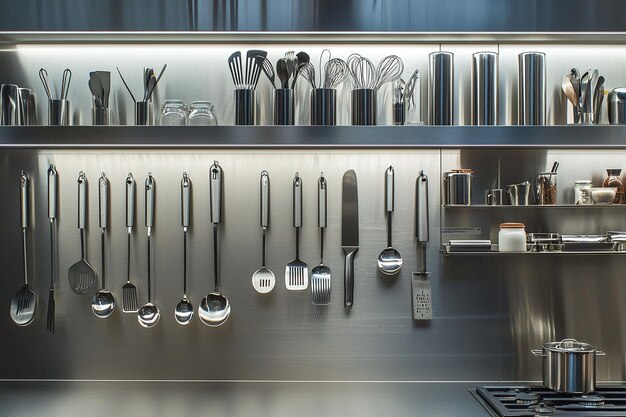
The smallwares section differs from what Costco displays. Instead of home kitchen gadgetry, you're browsing commercial-grade sheet pans, walk-in cooler shelving, prep tables, and food service packaging. A 500-count box of deli containers costs less per unit than retail packaging, but you're committing to volume.
Price Comparison: Chef'store Against Oklahoma City Alternatives
Pricing varies by product category. For proteins, Chef'store typically undercuts retail grocery chains in Edmond, Norman, and central Oklahoma City by 15 to 25 percent on bulk cuts, especially when you buy full cases. A 10-pound case of 80/20 ground beef runs approximately $2.50 to $3.00 per pound depending on market conditions, versus $4.50 to $5.50 per pound at conventional supermarkets.
However, this advantage compresses for small-quantity purchases. If you're buying a single pound of ground beef, Chef'store doesn't offer a better rate than Whole Foods Market in Midtown or the local Trader Joe's locations; the membership-free access just means you're not paying admission upfront.
Sam's Club and Costco in the Oklahoma City metro area present direct competition. Both require paid membership ($45 to $110 annually), but they also carry broader categories: electronics, clothing, and fuel, which can justify the fee for frequent shoppers. Chef'store membership is free for commercial accounts and free consumer registration, making it advantageous if you want restaurant-supply pricing without an annual commitment. Costco's rotisserie chicken undercuts Chef'store's poultry prices by a small margin, while Chef'store's bulk spice and dry-goods selection exceeds what either warehouse club dedicates to those categories.
Local independent restaurant suppliers like Shamrock Foods and regional distributors do not sell to walk-in consumers; they require account setup, minimum order thresholds, and delivery fees. Chef'store's advantage is immediate access without negotiation.
Location and Practical Shopping Logistics
The Oklahoma City Chef'store is located near the 405 and I-40 interchange in a commercial zone convenient to restaurants in Bricktown, Midtown, and the Plaza District. Parking is ample, and loading areas accommodate full-size vehicles or small delivery trucks. Shopping hours typically run 6 a.m. to 2 p.m. Monday through Friday, with limited or closed weekend hours, which caters to restaurant opening prep but excludes casual evening or weekend shoppers.
Inventory depth varies by day. Tuesday and Wednesday mornings tend to have full protein selections; by Friday, popular items like chicken breast or ground beef may be picked over. If you're sourcing for a catering event or restaurant prep, shopping early in the week yields better selection.
The lack of consumer-friendly amenities matters. No carts with seat attachments for children, no shopping mobility devices typically seen at Costco, and payment is cash or business card only at most locations (verify current payment methods when you visit). This reinforces the wholesale culture: the store assumes you're there for efficiency, not leisure shopping.
When Chef'store Makes Financial Sense
Buy here if you're operating a food business, catering from home, or cooking regularly for groups larger than eight people. The math shifts when you factor in storage capacity. A 50-pound case of canned tomatoes at $0.65 per pound beats retail by 40 percent, but you need dry storage space and realistic consumption timeline. Buying in bulk only saves money if you use the product before spoilage.
For home cooks shopping solo, Chef'store saves money on staples you'd buy anyway: oils, vinegars, grains, and shelf-stable proteins. The free membership eliminates the entry friction that Costco or Sam's Club create. However, if you live in a small apartment or visit only quarterly, the time spent navigating 5,000 SKUs to find three items wastes the savings.
Small restaurants with limited storage or restaurants in high-volume neighborhoods like Midtown may use Chef'store as a gap filler between deliveries from primary suppliers rather than a complete sourcing solution.
Closing Consideration
US Foods Chef'store functions best as a secondary supply channel or a first option for operators without existing distributor relationships. The free membership, no-commitment access, and walk-in convenience make it low-risk to test. Start with one trip to assess selection and pricing for your specific needs, then decide whether to integrate it into regular purchasing or rely on it for specialty items.