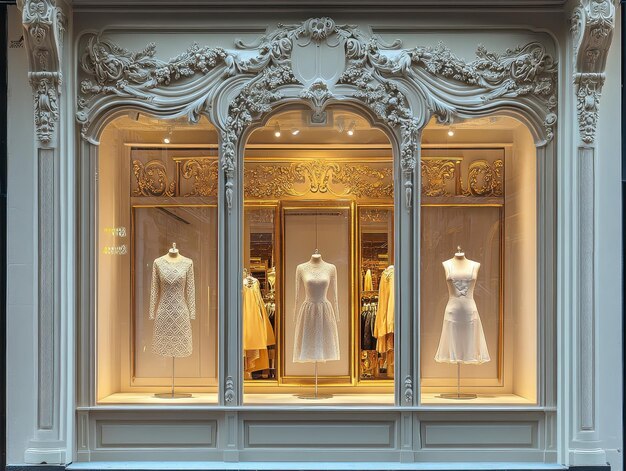
Where to Spend on High-End Goods in Oklahoma City
Luxury retail in Oklahoma City clusters in three distinct areas, each serving different shopping patterns and product categories. Understanding the geography, inventory depth, and clientele of each zone will help you determine where to focus your time and budget.
The city's primary luxury concentration lies in Uptown, particularly along Quail Springs Parkway and the adjacent Quail Springs Mall vicinity. This district draws the bulk of affluent shoppers seeking designer apparel, jewelry, and accessories. Neiman Marcus operates a full-line store here, the largest such location in the region, carrying contemporary designer ready-to-wear, shoes, and cosmetics across multiple floors. The store's presence anchors the zone and signals the retail tier of surrounding independent and boutique operators. Nearby, luxury jewelry retailers maintain significant inventory, with several offering custom design services and trade-in programs for estate pieces. Quail Springs itself houses department stores and specialty retailers, though with less exclusivity than the independent boutiques concentrated in the immediately surrounding blocks.
Bricktown's retail identity has shifted over the past decade toward experiential dining and entertainment rather than shopping, but the neighborhood retains scattered luxury options worth noting. Several high-end home furnishing and design showrooms operate in converted warehouse spaces, appealing primarily to interior designers and affluent homeowners undertaking renovation projects. These are not walk-in retail destinations in the traditional sense; most require appointment scheduling or designer referral. If you are furnishing a property or seeking architectural-grade fixtures, Bricktown's showroom density justifies a separate trip, but it is not a browsing destination.
Nichols Hills, a separate incorporated municipality directly north of the city proper, has emerged as the second anchor for luxury retail. The neighborhood's demographic profile (median household income exceeding $150,000) supports specialty retailers that cannot sustain operations in Uptown. Nichols Hills Avenues, the primary commercial corridor, contains boutique clothing stores, upscale salon suites, and niche home goods retailers. Foot traffic here is considerably lighter than in Uptown, which means shorter queues during busy seasons but also reduced inventory rotation. Retailers here tend to curate inventory more selectively, stocking fewer units per item; if you need a specific size or colorway, verify availability before traveling. The trade-off is personalized service; staffing levels typically permit one-on-one attention from owners or senior associates.
Pricing and selection parity between Uptown and Nichols Hills is imperfect. Neiman Marcus in Uptown maintains broader designer representation than any single independent retailer in Nichols Hills, and departmental depth in shoes, handbags, and accessories is substantially higher. Nichols Hills compensates with exclusivity and curation; you are less likely to encounter the same piece worn by multiple shoppers. For seasonal sales, Uptown's volume-driven model produces deeper discounts on clearance merchandise, typically 40 to 60 percent off select items in January and July. Nichols Hills retailers discount less aggressively and less frequently.
Luxury shopping outside these zones requires specific destination knowledge. The Skirvin Hotel in downtown Oklahoma City houses a small collection of upscale retail tenants oriented toward hotel guests and business travelers; this is not a primary shopping destination. Some affluent shoppers drive to Dallas or Tulsa for specific designer access or to consolidate purchases across multiple stores, a 3.5-hour or 1.5-hour round trip respectively. This reflects a genuine gap in Oklahoma City's luxury retail ecosystem: no dedicated luxury mall, no flagship luxury boutiques for brands like Hermès, Gucci, or Prada operating standalone stores. Neiman Marcus and independent retailers fill this role, but the breadth available in larger metro areas does not exist locally.
Payment and service expectations differ between retail zones. Uptown retailers, particularly in malls and shopping centers, accept all major payment methods and operate standard return policies (typically 30 to 60 days). Nichols Hills boutiques occasionally operate cash-preferred or local payment systems; verify payment acceptance when calling ahead. Personal shopping services exist at Neiman Marcus and select independent boutiques in both zones, though availability requires advance scheduling and minimum purchase expectations. Alterations services are standard at apparel retailers; turnaround is typically 2 to 3 weeks for simple adjustments.
Parking availability affects the practical experience of each zone. Uptown shopping centers provide ample free parking in designated lots; peak times (Saturday morning, weekday evening) see congestion but not scarcity. Nichols Hills Avenues offers street and lot parking, generally less crowded than Uptown. Downtown locations require paid or metered parking, a minor friction point for all-day shopping trips.
The most actionable distinction for luxury shoppers: if you seek depth in a specific category (designer shoes, contemporary jewelry, high-end cosmetics), start at Neiman Marcus in Uptown. If you want discovery and exclusivity in apparel and accessories, block time for Nichols Hills boutiques. If you are furnishing a home or need architectural elements, Bricktown's showroom cluster justifies a trip. Combining Uptown and Nichols Hills in a single outing is feasible; they are 15 minutes apart by car, and splitting time between them lets you compare inventory and pricing across the market in one afternoon.