Where to Buy Natural and Organic Food in Oklahoma City
Shopping for natural and organic groceries in Oklahoma City splits into three distinct channels: conventional supermarkets with organic sections, independent natural food stores, and co-op models. Each serves different priorities around selection, price, and values alignment. This guide covers the actual options available across the metro, the practical trade-offs between them, and which store type makes sense depending on what you're buying.
The Whole Foods Model vs. Local Independence
Whole Foods Market operates a location in Edmond, roughly 15 miles north of downtown Oklahoma City proper. The store carries a full organic produce section, prepared foods, and bulk bins, with prices reflecting the premium positioning the chain maintains nationally. For shoppers in Edmond or northwest OKC, this is the most accessible option for one-stop certified organic shopping, though prices run higher than comparable items at conventional grocers. The prepared foods section and hot bar require visiting in person to assess quality and selection on any given day.
The trade-off: conventional supermarkets in Oklahoma City, including regional chains like Albertsons locations throughout the metro, have expanded organic produce and packaged goods sections over the past five years. An Albertsons in Midtown or along Broadway carries organic conventional items (milk, eggs, packaged goods) at lower margins than Whole Foods, though the selection is narrower and produce quality varies by location and season. You gain price advantage but lose the specialized knowledge and breadth that dedicated natural food retailers provide.
Independent Natural Food Stores: Availability and Positioning
Oklahoma City has two primary independent natural food retailers operating in different formats. These stores function as curators of specific supply chains and ingredient qualities rather than attempting to match the breadth of supermarkets.
One operates as a traditional retail storefront with a managed inventory model, stocking bulk herbs, supplements, organic dry goods, and specialty items that supermarkets do not carry. Selection includes items oriented toward specific diets (keto, paleo, whole-grain focused) and sourcing preferences (non-GMO verified, Fair Trade certified). Hours and location require verification before visiting, as independent retailers operate on tighter margins and sometimes adjust operations seasonally.
The second operates on a membership or subscription model rather than open retail. This structure affects how frequently you can shop and what initial investment is required. The membership model typically means lower per-unit costs on staples (grains, legumes, nuts) because the store buys in volume and passes savings to members. The trade-off is upfront membership cost and the commitment required.
Farmer's Markets and Direct-from-Producer Options
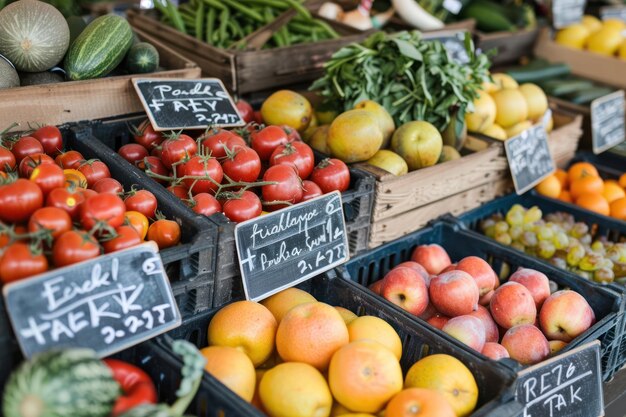
The Oklahoma City Farmers Market operates seasonally at multiple locations. The South Oklahoma City Farmers Market runs year-round at a fixed location in the Crossroads area, where producers sell directly. Prices for seasonal produce often undercut supermarket organic pricing because there is no distributor markup. Availability depends on the week and the season. Winter months have dramatically smaller produce selection than summer and fall. Many vendors are not certified organic but farm using organic practices; asking producers directly about their methods is standard practice at farmers markets.
This channel works best for produce and eggs rather than packaged staples. Few vendors sell dry goods, flours, or specialty items. If your primary concern is organic produce cost, farmers markets are worth the time investment during peak seasons (May through October). Off-season shopping at farmers markets reduces to a handful of storage crops and greenhouse items.
Bulk Buying and Co-op Models
Several buying clubs operate in Oklahoma City, where members place orders online and pick up at a central location. These typically focus on organic dry goods, nuts, seeds, and non-perishables rather than produce. Prices are substantially below retail when you buy in bulk. The practical constraint is that you commit to purchasing larger quantities (five pounds of flour, three pounds of nuts) and fixed pickup times each month. This works for staple ingredients but not for produce or items you need urgently.
The Oklahoma Food Cooperative is a member-owned model where you can become a member and shop. Membership structure and current operations require direct verification, as co-op models often reorganize based on volunteer availability and membership base. Co-ops typically operate with lower overhead than independent retail stores, which translates to lower prices on items stocked, though selection is narrower than supermarkets.
Practical Shopping Strategy by Product Category
Produce: Farmers markets during peak season (May-October) offer the best price-to-quality ratio for organic items. Off-season, Albertsons and similar conventional grocers have acceptable organic produce at lower cost than Whole Foods. Whole Foods if you prioritize consistent selection and availability year-round.
Staples (grains, legumes, nuts, flours): Buying clubs and co-ops beat retail pricing significantly if you buy in bulk and can store items. Supermarket bulk bins offer a middle ground for smaller quantities. Independent natural food stores are convenience over price.
Packaged goods and specialty items (certified non-GMO, Fair Trade, organic packaged snacks): Independent stores and Whole Foods carry depth here that supermarkets do not stock. Supermarket organic sections cover basics but lack the range.
Supplements and herbs: Only independent natural food stores and buying clubs carry the variety. Supermarkets do not compete in this category.
Frequency and Convenience Reality
Most shoppers in Oklahoma City who buy natural foods use a hybrid approach: conventional supermarkets for weekly produce and basics, independent stores or farmers markets for specific items, and buying clubs for staples purchased quarterly. Relying entirely on one channel either costs more (Whole Foods only) or requires time commitment (farmers market-only shoppers) or limits selection (bulk buying clubs only).
The decision comes down to whether you prioritize price, selection, values alignment with the retailer, or convenience on any given shopping trip. No single store in Oklahoma City dominates all four dimensions, which is why the natural food shopping landscape here remains fragmented across multiple channels rather than consolidated around one destination.