Where to Shop in Oklahoma City: Layout, Inventory, and Trade-offs
Shopping in Oklahoma City breaks into distinct zones, each with different inventory depth, price positioning, and foot traffic patterns. This guide explains what you'll actually find in each area, where selection is broadest, and where to expect markups or limitations based on the city's retail structure.
The Midtown and Bricktown Districts
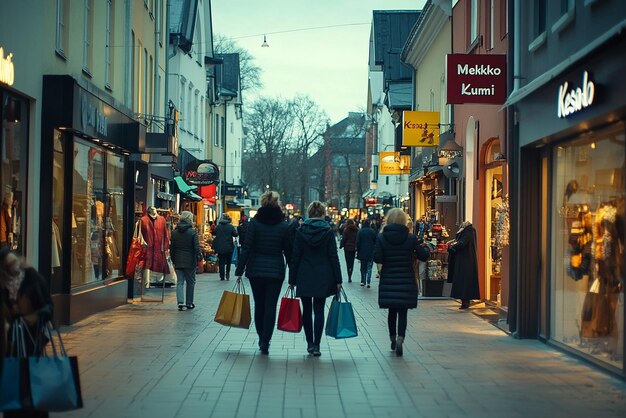
Midtown's retail corridor runs along NW 23rd Street and extends into the Paseo Arts District, where independent retailers dominate. These are small-footprint shops: clothing boutiques, home goods stores, and specialty food vendors typically occupy 800 to 3,000 square feet. Inventory rotates faster here than in chain retail, and price points run 15 to 40 percent higher than big-box competitors, but selection in categories like vintage furniture, local ceramics, and independent fashion brands is impossible to find elsewhere in the city.
Bricktown's retail is weighted toward tourism and dining rather than everyday shopping. The few retail tenants here focus on gifts, tourist merchandise, and branded goods. If you're looking for functional everyday items, Bricktown is a poor choice; if you need a souvenir or specialty food item tied to Oklahoma City's identity, the concentration is worth a visit.
The Paseo Arts District itself hosts rotating galleries and studios with retail components. Unlike fixed shops, these venues keep unpredictable hours (many open Thursday through Sunday only), so calling ahead or checking individual websites before a trip prevents wasted trips.
Suburban Malls and Power Centers
Quail Springs Mall, in the northwest part of the city near I-44, remains Oklahoma City's largest enclosed mall with roughly 140 tenants. Department store anchors include Dillard's and Macy's. The mall's vacancy rate has been stable relative to national trends, and it draws consistent foot traffic from surrounding neighborhoods. Parking is abundant and free. The climate-controlled environment makes it practical for families during summer heat or winter cold, but markup on apparel generally runs 20 to 30 percent above online pricing for the same brands.
Malls like Penn Square, further south and smaller, serve a more concentrated geographic area. Both Quail Springs and Penn Square are conventional anchor-and-corridor layouts; neither offers the experiential retail or dining density of lifestyle centers.
Crossroads Mall, in southwest Oklahoma City, caters primarily to a local customer base with lower household incomes and is not a destination for specialty or full-price retail.
Lifestyle and power centers cluster along corridors like NW 50th Street and I-44. These open-air and semi-enclosed centers (with tenants like Target, Best Buy, and national chains) offer free parking, simpler navigation than enclosed malls, and consistent inventory. Trade-off: selection is standardized, markup is lower but price competition is tighter, and there's no weather protection between stores.
Downtown and Plaza District
Downtown Oklahoma City's retail footprint has contracted. Street-level retail is limited mainly to a few specialty shops and galleries; most retail energy moved to suburban centers between 2005 and 2015. The Plaza District, just north of downtown, has seen renovation and new tenant interest in recent years with independent retailers, vintage shops, and local restaurants, but the number of pure-retail storefronts remains small compared to suburban options. Plaza District works best as a Saturday destination combined with dining and gallery browsing, not as a primary shopping errand destination.
Outlet and Discount Retail
Norman, approximately 20 miles south of Oklahoma City, hosts the only significant outlet center in the region. Norman's outlet mall carries 50+ tenants including Nike, Coach, Gap, and Saks OFF 5TH, with prices typically 30 to 50 percent below department store retail. The trade-off is that inventory is older seasonal stock or overstock, and selection is not guaranteed in every size or color. The drive time makes this a deliberate shopping trip, not a convenience destination.
Target, Walmart, and Costco have multiple locations throughout Oklahoma City and its inner suburbs. These function as low-price anchors for household essentials and groceries. Costco's annual membership fee ($65 for a Gold Star membership as of 2024, though rates should be verified directly) eliminates impulse browsing for price-conscious shoppers, but unit pricing on bulk quantities is significantly lower than traditional retail. Oklahoma City has four Costco locations, primarily along I-44 and near major population centers.
Specialty Categories and Gaps
Sporting goods retail is concentrated along NW 50th Street, with Dick's Sporting Goods and Academy Sports outlets. Academy typically underprices Dick's by 10 to 15 percent on comparable items. Neither store carries specialized outdoor gear; customers seeking technical climbing, backcountry, or professional-grade equipment usually order online.
Electronics retail has consolidated heavily. Best Buy operates several locations and functions as the primary brick-and-mortar option for computer, phone, and appliance shopping in Oklahoma City. Local independent electronics retailers have largely disappeared. This means limited negotiation on price (Best Buy's shrinking margin model prevents haggling) but reliable inventory and consistent customer service standards.
Furniture retail remains decentralized. Showrooms cluster near I-44, but selection varies widely by store. High-end furniture stores like those in Midtown typically offer custom ordering with lead times of 8 to 12 weeks; mass-market options at big-box retailers deliver faster but offer limited fabric and frame choices.
Department Store Dynamics
Dillard's maintains a strong regional presence in Oklahoma City with multiple locations. Dillard's typically stocks private-label merchandise, which undercuts national brands, and runs frequent sales events. Macy's has contracted its Oklahoma City footprint and now operates primarily at Quail Springs Mall. The loss of regional department store competition over the past decade means less pressure on margins and fewer end-of-season clearances than existed 10 to 15 years ago.
Practical Retail Navigation
Driving distance and parking determine shopping efficiency in Oklahoma City more than inventory alone. Quail Springs Mall and suburban power centers require free parking and short walks. Midtown and the Paseo require street parking and walking between storefronts, making them better for boutique shopping than bulk errands. Norman outlet retail justifies a planned trip, not a quick errand.
For everyday staples, category selection is adequate across the city, but pricing is higher than national online averages. For specialty goods, independent retailers in Midtown cluster inventory, but hours are irregular. For discounted or overstock goods, Norman and Costco require explicit membership or drive time but deliver the lowest per-unit cost.
Plan shopping trips by category and zone rather than assuming one destination covers multiple needs. This prevents the inefficiency that comes from driving between districts.