Where to Shop in Oklahoma City: Layout, Inventory, and Store Formats
Shopping in Oklahoma City breaks down into three distinct ecosystems, each serving different retail needs and customer habits. Understanding the geography and store mix across the metro helps you choose where to spend time based on what you're actually looking for, rather than defaulting to the largest or nearest option.
The Bricktown and Downtown Corridor
Downtown Oklahoma City and its adjacent Bricktown district function as an experiential retail zone. Stores here operate on smaller square footage and higher foot traffic density than suburban locations. You'll find independent retailers, locally owned boutiques, and flagship locations of national brands positioned to capture both locals and convention visitors. This area works best if you're shopping for something specific and don't mind paying slightly elevated prices for convenience and curated selection. Parking is metered or lot-based, typically $1 to $2 per hour, and walking between stores is necessary. Visit times matter: weekday mornings are far quieter than weekend afternoons, when crowds from the Bricktown entertainment district spill into retail spaces.
The retail here skews toward fashion, home goods, and gifts rather than groceries or everyday items. If you need a hardware store or a grocery chain, you'll leave disappointed. The trade-off is that Bricktown retail often stocks items you won't find in standard mall anchors, particularly from independent makers and regional brands.
Penn Square and Midtown Shopping Districts
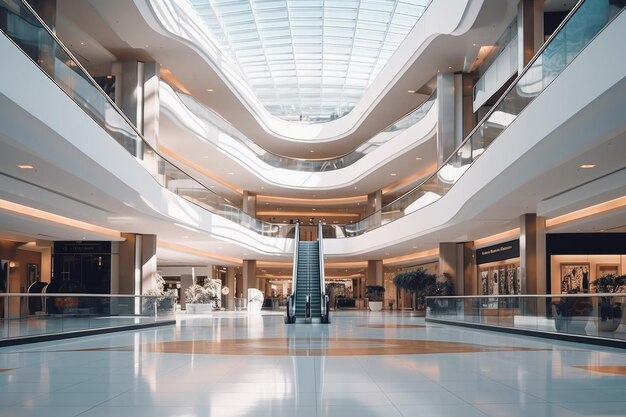
Penn Square Mall, located at NW 63rd Street and Western Avenue, represents the traditional enclosed mall format. As a three-level center with major department store anchors, it functions as a one-trip shopping destination for apparel, shoes, and accessories. Inventory breadth is substantial, but foot traffic has declined relative to outlet centers, which means some sections can feel understocked or poorly maintained. Free parking is abundant and immediate.
The real advantage here is selection density if you're outfit shopping. You can move between 40 to 60 apparel and footwear retailers without leaving climate control or moving your car. This efficiency matters if you're shopping with children or during Oklahoma's extreme heat months (July and August, when temperatures regularly exceed 95 degrees). However, prices tend to be full retail without the discounts you'd find at outlet locations.
Midtown, the neighborhood roughly bounded by NW 23rd Street to the north and NW 10th Street to the south, has emerged as a secondary retail district with a different character. Stores here are standalone or in small clusters, often with dedicated parking lots. Midtown appeals to shoppers seeking local businesses, used goods, and specialty inventory. A mix of vintage retailers, independent clothing shops, and niche bookstores operate here alongside coffee roasters and restaurants, creating a "combined trip" dynamic where shopping isn't the sole purpose.
Suburban Outlet and Big-Box Zones
The Oklahoma City metro's outlet and discount retail concentration sits in northwest suburban areas, particularly around NW 122nd Street and I-35. This zone includes the Oklahoma City Outlets mall and surrounding discount anchors. Prices run 20 to 40 percent below mall retail for the same brands, the critical advantage if you're buying for a family or stocking basics. The trade-off is pure warehouse efficiency: selection is curated for volume turnover, parking is sprawling, and the shopping experience is transactional rather than leisurely.
This area also functions as the primary big-box and hypermarket zone. Grocery stores, bulk retailers, warehouse clubs, and category killers (electronics, office supplies, home improvement) cluster here for land cost and logistics reasons. If your shopping trip requires both apparel and household staples, you'll either combine a Midtown or Downtown trip with a separate suburban run, or consolidate everything in the northwest zone.
Retail Inventory and Local Gaps
Oklahoma City's retail landscape reflects regional purchasing power and demographics. You'll find robust selection in mid-market fashion, automotive aftermarket, hunting and outdoor gear, and home furnishings. Luxury fashion and ultra-premium goods require either special orders or travel to Dallas or Kansas City. Ethnic and specialty groceries (beyond standard Latin American and Asian sections in major chains) are thinner here than in larger metros; if you need specific international pantry items, plan ahead or use delivery.
The city has no dedicated fashion district or high-end shopping street in the manner of larger urban centers. Luxury retail exists but is distributed: high-end furniture showrooms in Design District areas, premium jewelry downtown, and designer apparel franchises within malls or mixed-use developments. This distribution means luxury shopping requires either prior knowledge of specific store locations or willingness to drive between zones.
Store Hours and Accessibility
Most mall and shopping center retailers operate 10 a.m. to 9 p.m. Monday through Saturday, with reduced Sunday hours (noon to 6 p.m.). Independent retailers and Midtown businesses vary more widely; many close by 6 p.m. weekdays and operate limited weekend schedules. If you're planning an evening shopping trip, confirm hours first rather than assuming chain-standard availability.
Outlet centers often operate extended hours (9 a.m. to 10 p.m.) to capture after-work and tourist traffic. Big-box retailers (grocery, home improvement) typically open at 7 a.m. and close between 9 and 11 p.m., though some locations offer 24-hour service.
Practical Route Planning
Match your retail category to the best geographic fit. For apparel and shoes with broad selection and price sensitivity, Penn Square or the outlet zone offers efficiency. For discovery and local goods, Midtown or Bricktown justifies a smaller-footprint trip. For bulk groceries and household supplies plus basic apparel, the northwest suburban zone consolidates everything but trades experience for convenience.
The single most valuable information: Oklahoma City's retail isn't concentrated in one downtown shopping district like many regional capitals. Retail is geographically fragmented, which means aimless browsing across the entire city isn't practical. Decide your shopping category first, then choose your zone. This approach cuts wasted driving time and clarifies which location actually matches what you need to buy.