Where to Shop for Indian Groceries and Goods in Oklahoma City
Shopping for Indian groceries and specialty items in Oklahoma City requires knowing where inventory is actually stocked and what each retailer prioritizes, since selection varies significantly across the city's handful of dedicated South Asian stores.
The Core Shopping Districts
The Indian shopping presence in Oklahoma City centers on two areas: the stretch along NW 23rd Street between Meridian and Council Road, and a smaller cluster near the Penn Square area. NW 23rd is the primary destination. This corridor has developed over the past two decades as Indian families moved into the northwest part of the city, and it remains the most reliable location for both routine staples and harder-to-find specialty items.
What You'll Find and Where to Look
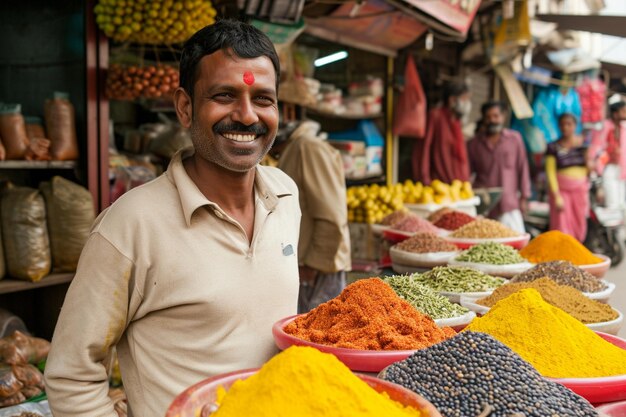
Indian Bazaar itself operates on NW 23rd Street and carries dry goods, spices, rice varieties, lentils, frozen Indian vegetables, and prepared foods including samosas and sweets. Selection of fresh produce is limited compared to what you'd find at a larger South Asian grocer in Dallas or Kansas City, so if you need fresh curry leaves, fenugreek, or specialty greens, call ahead. The store also stocks Hindi, Telugu, and Tamil films on DVD and streaming cards, along with Indian clothing and jewelry.
Parallel retailers on the same corridor offer different trade-offs. Some emphasize prepared foods and fresh items made daily, operating more like a combination grocery-restaurant than a full-service market. Others focus on dry goods and spices with deeper inventory in those categories. Hours vary: most close by 8 p.m. on weekdays and 7 p.m. on Sundays, which matters if you shop after work. A few close on Mondays entirely.
Practical Differences in Stock and Price
Fresh spices cost 20 to 40 percent more when bought in small containers at mainstream grocers like Whole Foods or regional chains compared to buying larger quantities at Indian specialty stores, though the quality difference is most noticeable in items like kasuri methi and black cardamom. Basmati rice prices on NW 23rd typically range from $1.20 to $2.50 per pound depending on grade and origin (Indian versus Pakistani varieties command different prices). Mainstream grocery stores stock basmati at comparable or higher prices but in limited variety, usually just one or two brands.
Frozen Indian vegetables (okra, drumsticks, fenugreek leaves) are significantly cheaper at specialty retailers than at Whole Foods, where a small frozen package might cost $6 to $8. At dedicated stores, similar items run $2.50 to $4. Fresh Indian vegetables are inconsistently available; tomatoes, onions, and potatoes are standard, but specialty items like bitter melon or ridge gourd appear sporadically depending on what suppliers deliver that week.
Beyond Groceries
If you need Indian clothing for events, several stores on NW 23rd stock salwars, dupattas, and men's traditional wear. Quality and sizing vary by location. Jewelry ranges from costume pieces to heavier gold items, and prices reflect that spread. One consideration: return policies are not uniform, and some shops operate on a cash-only or cash-preferred basis, which affects your ability to dispute a transaction.
Indian films on physical media are becoming harder to find citywide as streaming services expand. Shops that still stock DVDs typically carry Bollywood releases and popular regional cinema, but selection is smaller than it was five years ago. Streaming gift cards for platforms offering Indian content are now more common than the films themselves.
Timing Your Visit
Saturday mornings and early afternoons see the heaviest traffic on NW 23rd. If you prefer less crowded shopping, weekday mornings offer shorter lines and better access to staff who can answer questions about products. Many shops are closed or have reduced hours on major holidays, including Indian festivals, so planning ahead prevents a wasted trip.
Parking is available directly in front of most shops or in adjacent lots; the area is not pedestrian-dense in the way that retail districts in midtown or Bricktown are, so you'll be driving between stops rather than walking.
Comparison to Mail Order and National Chains
For bulk orders or items you cannot find locally (specific regional sweets, particular tea brands, or large quantities of rice or dal), mail order through national Indian grocers is cheaper than buying repeatedly in-store, though it requires planning ahead. For immediate needs, local shopping saves the shipping cost and time, but selection is narrower. The trade-off is speed and convenience versus price and variety.
Whole Foods and regional grocery chains like Reasor's stock a small selection of Indian items (some spice blends, frozen naan, a few rice varieties) at higher per-unit cost but with no need to travel outside your regular shopping neighborhood. This works if you cook Indian occasionally and do not need full authenticity or specialty ingredients.
The Practical Takeaway
Shopping on NW 23rd for Indian groceries works best when you know what you need and call ahead for fresh or specialty items. Prices are significantly lower than mainstream grocers for dry goods and frozen items, making it the right choice for regular cooking. Expect less selection than in larger cities and plan for limited hours. If you need mail order convenience or prefer one-stop shopping, national chains and online retailers are viable, but local stores remain the only way to inspect fresh items and to find regional or specialty ingredients that do not move through mainstream supply chains.