Chinese Restaurants in Oklahoma City: Regional Styles and What to Expect
Chinese restaurants in Oklahoma City fall into distinct categories based on cooking region and service model, and understanding those differences changes where you'll want to go. This guide covers the main options across the metro, what each neighborhood offers, and how to match your craving to the right kitchen.
The Midtown Concentration and Broader Distribution
Most Chinese restaurants cluster in Midtown and along Northwest Highway near the University of Oklahoma campus, though options exist throughout Edmond and Norman. The Midtown corridor between NW 23rd and NW 50th streets historically served as the city's primary Chinese dining district and still holds the deepest bench of established spots. North of downtown along I-35 and in the Edmond area, newer establishments tend toward contemporary strip-mall locations with fast-casual service models.
Understanding Oklahoma City's Chinese restaurant landscape requires recognizing that the market splits between three overlapping service styles: full-service sit-down restaurants with banquet capacity, quick-service counter operations, and hybrid spots offering dine-in with emphasis on takeout and delivery. Price ranges vary sharply between them, and the choice of style often determines the experience more than the restaurant's skill level.
Full-Service Regional Cuisines
Sichuan and Hunan kitchens operate in Oklahoma City with varying degrees of heat and specificity. Restaurants identifying as Sichuan typically emphasize numbing spice (from Sichuan peppercorn), dried chilies, and bold aromatics; Hunan tends toward fresh chili heat without the numbing effect. Both styles use serious amounts of garlic and ginger. If you order from a full-service Sichuan or Hunan restaurant without specifying heat level, expect medium-to-hot dishes as a baseline. Requesting "not spicy" (or asking the server which dishes are mild) prevents disappointment. These restaurants usually offer English-language menus with Americanized versions of dishes alongside more authentic preparations, though asking the server or kitchen staff what they recommend for heat and authenticity often yields better results than ordering by menu description alone.
Cantonese-style restaurants, historically the most common Chinese cuisine in American cities, remain present in Oklahoma City but less dominant than they were two decades ago. Cantonese cooking emphasizes technique, lighter sauces, and the quality of individual ingredients. Dim sum, a Cantonese tradition of small plates eaten with tea, requires specific setup: a restaurant must have dedicated dim sum kitchen staff and service trained to present carts or take orders for dozens of small dishes. Oklahoma City has very limited dim sum availability, and restaurants advertising it should be called ahead to confirm current offerings, as dim sum service is labor-intensive and subject to day-to-day changes.
Quick-Service and Takeout-Focused Operations
Counter-service and takeout-focused restaurants typically serve Americanized Chinese food: fried rice, chow mein, lo mein, General Tso's chicken, and orange chicken. These dishes are standardized, consistent, and usually priced $8 to $14 per entree. Speed matters here; many of these operations promise 15 to 20-minute turnarounds for pickup orders. Quality in this segment depends heavily on oil freshness, ingredient sourcing, and whether the kitchen makes fried rice and sauces to order or holds prepared batches. Restaurants that fry in old oil produce greasy, flat-tasting food; places that cook to order take longer but taste noticeably cleaner.
Some quick-service spots in the Midtown area and along Northwest Highway now offer rice bowls with customizable proteins and vegetables, reflecting broader fast-casual trends. These operations work best when you can specify exactly what you want (protein, vegetables, sauce style, heat level) rather than ordering preset dishes. The advantage is flexibility; the trade-off is that preparation quality depends on consistent knife work and sauce application, which varies more in fast-casual settings than in established full-service kitchens.
Neighborhood-Specific Patterns
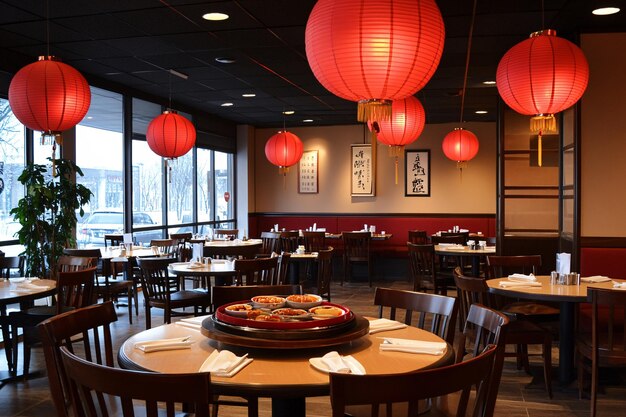
Midtown's Chinese restaurants tend to be older, full-service establishments with larger dining rooms and banquet spaces, reflecting their role in serving family gatherings and office functions. Entree prices typically range $10 to $18. Many have been operating for 15 to 30 years and maintain consistent recipes and loyal customer bases. Parking is on-street or small lots, and weekday lunch hours (11 a.m. to 1:30 p.m.) are significantly less crowded than dinner and weekends.
Norman and Edmond's Chinese restaurants skew newer and more casual, often in high-traffic retail strips along Broadway Extension and main thoroughfares. These spots tend toward faster service, lower prices ($7 to $12 per entree), and higher delivery-and-takeout volume. Many opened in the last 10 years and reflect contemporary preferences for convenience and customization.
Practical Distinctions for Ordering
If you want authentic Sichuan or Hunan food at a full-service restaurant, arrive during lunch (11 a.m. to 2 p.m.) when the kitchen is cooking to order rather than holding prepared batches. Dinner service, particularly after 6 p.m., often relies on pre-made components to handle volume.
Fried rice quality depends almost entirely on technique and ingredient freshness. Poor fried rice is a reliable sign that a kitchen is not cooking to order; good fried rice requires high heat, proper egg technique, and day-old rice (never fresh). If a restaurant's fried rice tastes gummy or underseasoned, other dishes likely reflect the same approach.
Noodle soups (like wonton soup or chow mein) are harder to execute well than stir-fries because they require balancing broth flavor, noodle texture, and protein quality simultaneously. A restaurant's noodle soup is a better indicator of overall kitchen skill than fried rice, which many restaurants treat as a side.
Most full-service Chinese restaurants in Oklahoma City do not charge table fees or require minimums for dine-in, though a few may request small purchase minimums during late-night hours. Lunch specials typically run $7 to $10 and include entree, rice, and soup, compared to $12 to $18 for dinner entrees alone.
Delivery through apps (DoorDash, Uber Eats, Grubhub) adds 30 percent or more to total cost through commissions and fees. Calling the restaurant directly and picking up usually saves $3 to $5 per order and ensures the kitchen receives your instructions accurately. Many restaurants give small discounts for direct orders rather than app orders.
When choosing between neighborhoods, evaluate based on your priority: Midtown offers established restaurants with deeper menus and full-service atmosphere; Norman and Edmond offer speed and convenience at lower price points. Heat tolerance and regional cuisine preference should drive the specific restaurant choice within each area.