Japanese Dining in Oklahoma City: Where to Find Authentic Ramen, Sushi, and Izakaya Culture
Oklahoma City's Japanese restaurant scene has consolidated around a handful of serious establishments that reflect different approaches to Japanese cuisine, each with distinct trade-offs worth understanding before you choose where to eat. This guide maps the major options by style and location, explains what each does well, and identifies which neighborhoods have developed enough density that you might combine multiple stops into an evening.
The Ramen Question: Tonkotsu Versus Everything Else
Ramen shops in Oklahoma City divide into two camps. One focuses on tonkotsu, the pork bone broth that requires 12 to 18 hours of simmering and defines ramen in much of Japan's Fukuoka and Kyushu regions. The other emphasizes lighter broths, seafood-forward dashi, and regional variations that take less time to execute.
Tonkotsu shops tend to open later in the day (often 11 a.m. or noon rather than 10 a.m.) because of broth prep time. This matters if you want ramen for lunch before work. They also command higher prices, typically $13 to $16 per bowl, because bone broth yields lower volume per pound of ingredient than dashi-based broths do. The payoff is density and mouthfeel; tonkotsu has a creamy, almost velvety character that dashi-based broths cannot replicate.
Dashi-based ramen shops in Oklahoma City can open earlier and price bowls at $11 to $13, making them better for casual lunch stops. They cook faster, which means shorter waits during peak hours. The trade-off is a cleaner, more delicate flavor that some diners find less satisfying at the end of a long day and others prefer precisely because it does not require deep commitment.
Location concentration matters for ramen. Several serious ramen shops operate within a 15-minute drive of downtown Oklahoma City and Midtown, which means you can sample multiple styles in one outing if you plan across two visits. Neighborhoods like Uptown and the areas along Broadway Avenue between NW 36th and NW 50th Street have become reliable zones for Japanese food density.
Sushi: Counter Versus Rolls
Sushi restaurants in Oklahoma City sort themselves into two service models that determine what you actually eat.
Counter sushi, where you sit directly in front of the chef and order piece by piece, exists at a few dedicated establishments. These places typically offer omakase (chef's selection) pricing around $60 to $100 per person and expect you to spend 45 minutes to an hour. The chef controls pace, temperature, and composition. You see rice temperature, neta (topping) quality, and technique. These restaurants often source fish through established relationships with distributors rather than whatever arrived that morning, which stabilizes consistency but may limit seasonal surprises.
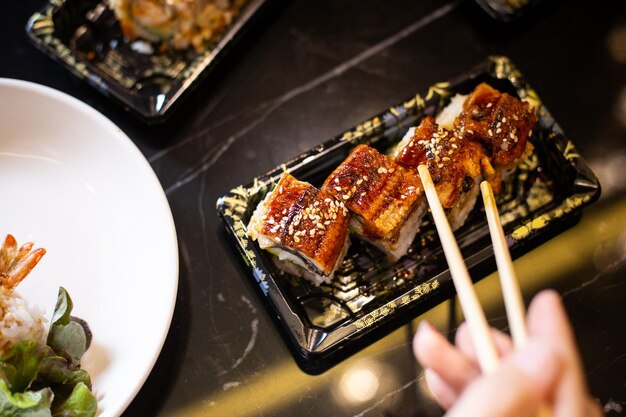
Roll-focused sushi restaurants, more common across Oklahoma City, build their menu around maki (rolls), nigiri (pieces), and sashimi plates. Prices range from $12 to $22 for entree portions. Speed is faster. Consistency varies more because rolls allow kitchen staff to batch-produce during slow periods. Quality depends heavily on how the restaurant sources fish and how carefully it trains rice preparation, both of which are invisible until you eat.
A practical insight: if the sushi restaurant also operates a full izakaya menu with grilled items, fried items, and cooked appetizers, it is unlikely to be sushi-focused at the sourcing level. Restaurants that build their economics around cooked food use sushi as one option among many. Restaurants built around raw fish make different purchasing decisions and train their staff differently. Neither is bad, but they serve different meals.
Izakaya Culture and What It Changes
Izakaya restaurants in Oklahoma City offer the widest range of what Japanese food can be: grilled skewers (yakitori), fried items, noodle dishes, rice bowls, and usually beer or sake alongside. This diversity lowers decision paralysis and makes izakayas effective for mixed groups where not everyone wants the same thing.
Pricing works differently at izakaya restaurants. Individual dishes run $6 to $12, and people typically order multiple small plates to share. A meal for two can cost $30 to $50, which is less than counter sushi but more than a ramen bowl alone. The model encourages lingering and repeated ordering rather than quick turnover.
Izakayas in Oklahoma City cluster in neighborhoods with strong entertainment foot traffic. Midtown, near the entertainment district south of downtown, and areas with higher density of bars and late-night venues have more izakaya options. These locations survive on volume and evening traffic rather than lunch service. Hours often start at 5 p.m. or later, and kitchen service may end before midnight, which matters if you plan a late dinner.
Geographic Concentration and Planning
Japanese restaurants in Oklahoma City do not spread evenly across the metro area. Uptown and Midtown contain the highest density of options, which means you can walk between establishments or drive less than 10 minutes between stops. Broadway Avenue, particularly the stretch north of downtown, has emerged as the secondary concentration zone.
Neighborhoods far from these corridors (south Oklahoma City, east side beyond the I-35 and I-44 junction, outer west side) have fewer Japanese options. If you live or work in those areas, you are likely driving 20 to 30 minutes to reach serious Japanese food rather than casual Japanese chains.
This concentration shapes where to eat based on your location. Someone in northwest Oklahoma City might combine a ramen stop with a sushi or izakaya visit in a two-hour block. Someone in far south Oklahoma City faces a longer trip that works better as a dedicated evening rather than a lunch hour detour.
Practical Strategy for Your Next Visit
Start with what you want to eat, not the restaurant name. If you want tonkotsu ramen, identify the one or two serious options and plan for a longer broth-cooking time. If you want counter sushi, call ahead to ask about omakase availability and pricing so you are not surprised. If you want variety and a social meal, izakaya gives you options without commitment.
Check kitchen hours specifically. Many Japanese restaurants close between lunch and dinner service, typically 2 p.m. to 5 p.m., so you cannot drop in mid-afternoon. Some restaurants close one or two days per week. Uptown and Midtown venues tend to have more flexible hours than outlying locations, another reason to cluster your visits in those neighborhoods.
Bring cash or confirm card acceptance. Not every Japanese restaurant in Oklahoma City processes cards reliably, particularly smaller ramen shops and izakayas that may operate on tighter margins.