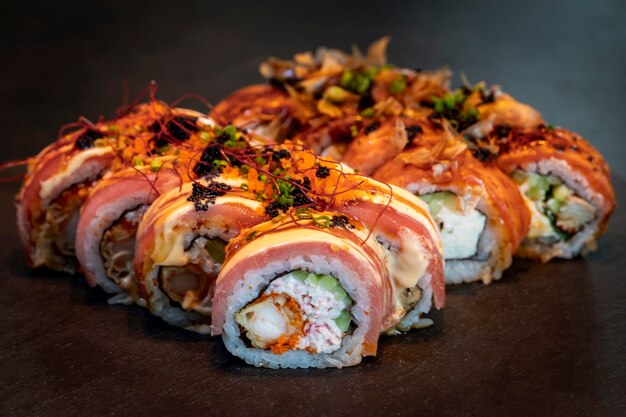
Where to Find Fresh Sushi in Oklahoma City
Oklahoma City's sushi landscape divides into three distinct approaches: omakase-focused establishments in Midtown and Bricktown, high-volume casual chains along the Pearl District, and neighborhood sushi bars in areas like Edmond and Norman that prioritize consistency over experimentation. Understanding these categories matters because sushi quality depends heavily on fish sourcing, chef training, and kitchen volume, and Oklahoma City venues differ sharply on all three fronts.
The Fish Supply Problem and What It Means for Local Sushi
Most sushi served in Oklahoma City arrives frozen. The city lacks direct access to coastal wholesale markets, so even mid-range restaurants receive product that has been previously frozen and thawed, sometimes more than once. This is not inherently a quality problem. Japanese sushi chefs have worked with frozen fish for decades. What matters is whether the establishment uses sushi-grade frozen fish (treated for parasites immediately after harvest) and whether the thaw protocol preserves texture.
Budget sushi bars often source from broadline food distributors that prioritize cost over specification, resulting in mushy nigiri and fish that tastes of freezer rather than ocean. Better establishments contract with specialty importers like those serving the Dallas or Denver sushi scenes, paying 40 to 60 percent premiums for product guaranteed sushi-grade. This cost difference shows in plating and flavor clarity.
Oklahoma City's few venues attempting daily fresh delivery typically source from either Dallas suppliers (3 to 4 hour overnight shipping) or, occasionally, from specialty importers in Los Angeles. These operations charge accordingly. A nigiri omakase in a Midtown venue with daily fish delivery runs $80 to $120 per person. The same format at a strip-mall casual spot runs $30 to $45 and uses thawed frozen fish, a legitimate and common trade-off, not a mark of dishonesty.
Midtown and Bricktown: Omakase and Seasonal Menus
Midtown sushi establishments position themselves around the chef's selection model. These venues typically seat 8 to 12 people at a counter, limit each seating to 90 minutes, and charge a fixed price per person. The advantage is control: the chef selects fish at the beginning of service and works through the day's best inventory rather than maintaining a static menu.
Bricktown venues tend toward larger dining rooms, expanded menus, and hybrid models where you can order both à la carte and chef's selections. The trade-off is that a chef managing 60 covers across multiple tables has less flexibility to adjust daily based on a single day's shipment. Bricktown locations draw significantly more tourist traffic, which stabilizes revenue but can pressure consistency during peak weekends.
Both neighborhoods support late-night service. Midtown omakase venues typically run until 10 or 11 p.m. Bricktown casual sushi bars often stay open until midnight or 1 a.m., useful if you're planning a meal after a show at Chesapeake Energy Arena or an event in the downtown core.
The Pearl District and Casual Sushi Volume
The Pearl District (roughly bounded by NW 10th Street, NW 23rd Street, the Meridian, and Western Avenue) supports multiple high-volume casual sushi operations, including both independent shops and small regional chains. These venues emphasize roll selection, happy hour pricing, and consistent execution rather than omakase. A typical experience: printed menu, online ordering, and 30 to 45 minute table turns.
Pricing for rolls runs $8 to $16. These places move volume on spicy tuna and California variants, not on white fish or aged preparations. If your goal is a quick meal with a bourbon and a predictable roll, Pearl District venues deliver that reliably. If you're evaluating nigiri quality or expecting the chef to suggest something unexpected, these are not the right environments.
Happy hour pricing in this category typically runs 4 to 6 p.m. on weekdays, with rolls reduced to $4 to $7. Volume pricing and reduced margins mean fish quality is the biggest variable across Pearl District venues. The difference between a venue restocking twice weekly and one receiving thawed fish from a general food distributor is substantial and often visible in the bite texture.
Edmond and Norman: Consistency and Family Service
Sushi bars in Edmond and Norman function as neighborhood restaurants rather than destination venues. Service is friendlier, seating is more spacious, and menus are longer and more conservative. These venues rarely attempt omakase and typically work from a comprehensive menu of 40 to 60 items.
The advantage is reliability. A neighborhood sushi bar operates on the assumption that customers will return and talk about their experience. Menu consistency, staff training, and quality standards matter more than cost-cutting. A spicy tuna roll is more likely to be properly cooked, correctly proportioned, and served at the right temperature.
The disadvantage is adventurousness. Edmond and Norman sushi bars do not typically carry premium items like uni, o-toro, or seasonal white fish. Menus skew toward items with broader appeal. If you want to order omakase or expect the chef to suggest something unusual, these venues are not designed for that interaction.
What to Evaluate When Choosing
Examine three things: the fish case visibility, the chef's engagement, and the menu update frequency. Sushi quality is visible. If you can see into the fish case, the venue trusts its product. If the chef acknowledges your order rather than just transmitting it to a kitchen station, you're in an environment where consistency is personal responsibility. If the menu lists seasonal items or rotates daily specials, the venue is buying fresh and responding to availability rather than working from a static inventory designed around frozen product.
Ask about sourcing if you're spending more than $60 per person. A chef who knows the import schedule, can name the wholesaler, and discusses the difference between sushi-grade and standard frozen fish is providing information you can't get from the menu.
Plan Midtown omakase for small groups with flexible timing. Book Pearl District venues for quick meals or happy hour. Use Edmond and Norman locations for reliable meals with less planning. This structure matches venue design to dining goal rather than treating all sushi as interchangeable.