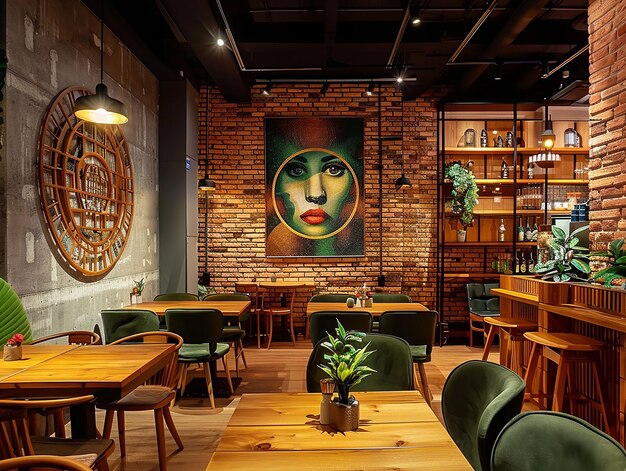
The Mule: Oklahoma City's Whiskey Bar with Substance Beyond the Name
The Mule occupies a specific niche in Oklahoma City's dining landscape: a cocktail-focused establishment where whiskey selection and food execution matter equally. This guide covers what sets it apart from other craft cocktail venues in the city, how its menu approach differs from comparable spots, and whether its positioning justifies a visit given alternatives in Midtown and Downtown.
Location and Operational Context
The Mule operates in Midtown Oklahoma City, a neighborhood that has consolidated most of the city's serious cocktail culture over the past decade. This location matters because Midtown's density of restaurants and bars means diners can efficiently combine a visit here with meals at neighboring establishments. Hours typically run from late afternoon through late evening, though verification is warranted before planning a trip, as service windows in this category shift seasonally.
The Midtown positioning also places The Mule within walking or short-drive distance of other food-focused venues, which shapes how it functions in a dining experience. Unlike isolated cocktail bars that must serve as full destinations, The Mule operates as part of a district ecosystem where diners might precede or follow a visit with dinner elsewhere.
Whiskey Program and Cocktail Approach
The core operational principle here is that whiskey selection drives menu design, rather than the reverse. Most cocktail bars in Oklahoma City treat whiskey as one spirit category among several; The Mule's inventory suggests whiskey-first curation. This means the spirits list skews toward American bourbons, ryes, and Oklahoma-produced whiskeys, with secondary depth in Scotch and Irish categories.
This specificity creates a trade-off. A drinker seeking vodka-based or tequila-heavy cocktails will find limited options compared to full-service cocktail bars like those in the Plaza District or near Bricktown. A drinker interested in bourbon-forward drinks, seasonal rye cocktails, or whiskey variations will find more intentional options here than at general-purpose bars where whiskey occupies one section of a sprawling menu.
The practical insight: if you already know you want a whiskey cocktail, The Mule eliminates menu paralysis through specialization. If you prefer choosing from a broad spirits range, its focused list requires acceptance of narrower options.
Food Program and Pairing Logic
The kitchen here operates under a pairing mandate rather than a standalone dining model. Food is designed to complement whiskey rather than exist independently of it. This typically means elevated bar snacks, cured and pickled items, cheese and charcuterie, and small cooked plates rather than full entrees.
This positioning differs materially from restaurants in Midtown that serve alcohol alongside full menus, and from other whiskey bars in the region that treat food as an afterthought. The distinction matters because it means The Mule's food quality cannot be evaluated on entrée-level standards; it should be assessed against the whiskey-pairing category, where execution standards are narrower but specificity runs deeper.
A practical comparison: if you plan to spend $40 to $60 on a cocktail and want accompanying food, The Mule's pricing and portion architecture suits the expectation. If you plan to spend $15 on a drink and expect $20 of food value alongside it, you will find the menu thin.
Atmosphere and Clientele Patterns
The design and service model here cater to small-group dining and standing-room cocktail consumption, not solo bar sitting or large party accommodation. The physical layout typically supports conversation among 2 to 4 people more effectively than accommodating a table of eight or a solo drinker seeking ambient noise.
This has implications for when to visit. Early evening draws an after-work crowd from Midtown offices; late evening shifts toward leisure drinkers and restaurant spillover from nearby dinner venues. Weeknight traffic patterns differ substantially from weekend compression, and reservation logistics vary accordingly.
How The Mule Fits the Oklahoma City Drinking Landscape
Oklahoma City's cocktail venues divide roughly into three operational modes: casual bars where drinks serve social lubrication, restaurants where cocktails accompany dining, and specialty bars where spirits knowledge and precision mixing are primary draws. The Mule aligns with the third category, competing directly with other whiskey-focused venues and spirits-first bars rather than with general cocktail lounges.
The city's drinking culture has historically centered on casual neighborhood bars and restaurant cocktail programs. Specialty whiskey bars represent a later development, growing primarily in Midtown and Downtown over the past eight years. The Mule's positioning reflects this maturation: it assumes a drinker who seeks intentional curation and will pay for expertise.
For comparison, a casual happy-hour bar prioritizes low prices and high volume. A restaurant cocktail program prioritizes pairing and consistency across a diverse menu. The Mule prioritizes depth and specificity within whiskey categories, accepting lower volume and narrower appeal as trade-offs.
Practical Decision Framework
Choose The Mule if you have whiskey knowledge or curiosity and want knowledgeable discussion of selection; if you are combining a cocktail visit with Midtown dining elsewhere; or if you prefer smaller-format drinking experiences over large bar scenes. Skip it if you dislike whiskey, expect substantial food, or need accommodation for large groups.
The distinction between "a good cocktail bar" and "a specialized whiskey bar" matters operationally. The Mule occupies the latter category in Oklahoma City's ecosystem. That positioning creates both genuine advantages for drinkers it serves and genuine limitations for those seeking broader appeal.