Texas de Brazil Brings High-Volume Churrasco to Bricktown's Dining Mix
Texas de Brazil operates as a Brazilian steakhouse chain with locations across North America, and the Oklahoma City outpost sits in Bricktown near the Chesapeake Energy Arena. This guide covers what churrasco service means in practice, how the format trades off against traditional steakhouse dining, and whether the all-you-can-eat model suits your meal strategy.
The Churrasco Format and What It Costs
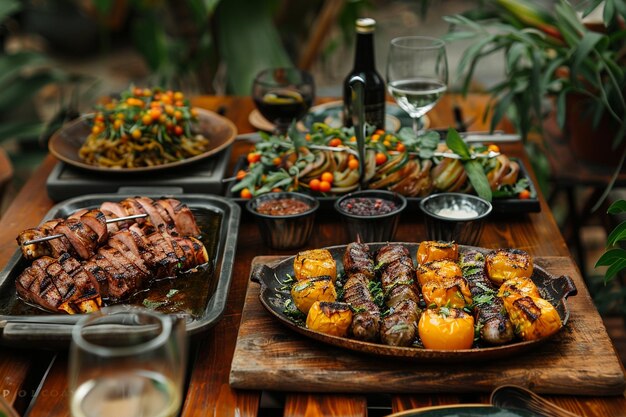
Texas de Brazil runs on a prix-fixe model where servers move continuously through the dining room with skewers of grilled meat—picanha, lamb, chicken, pork ribs—and carve portions directly onto your plate. You control pace with a two-sided table marker: green signals you want meat, red signals you need a break. The salad bar and sides operate separately from the meat service.
Dinner pricing typically ranges from $55 to $65 per person, depending on the specific protein selection available that evening. Lunch service runs considerably lower, around $35 to $40 per person, and limits the rotation to a narrower set of cuts. Alcohol, tax, and tip sit outside the prix-fixe fee. This flat-rate structure eliminates decision fatigue around entree selection but commits you to a specific spend regardless of appetite.
How Churrasco Compares to Oklahoma City's Other High-End Meat Restaurants
The Bricktown location competes less directly with traditional chophouses like those in Midtown and more with casual-to-upscale chains that emphasize volume and table theater. The key trade-off: you sacrifice à la carte flexibility and precise portion control for continuous meat service and the social rhythm of shared grazing.
Steakhouses in the Paseo Arts District and near Automobile Alley typically offer classic cut menus (ribeye, filet, New York strip) with individual sides à la carte, letting you spend $40 for a modest dinner or $90 for a full experience. Texas de Brazil locks you into the all-you-can-eat spend regardless of how much you eat. For single diners or small groups that want to maximize protein variety in one sitting, the churrasco model delivers breadth. For those prioritizing a specific cut at a specific thickness and crust, traditional steakhouse service offers more precision.
The rodizio (continuous service) format also creates a different pacing. You don't order once and wait; meat appears every few minutes, which suits groups of six or more better than couples, since the constant arrival keeps larger tables engaged and reduces idle time between courses.
Setting and Service Details
The Bricktown location occupies a visible ground-floor space with a full bar and a dining room designed for the churrasco circulation pattern. The salad bar runs the length of one side and includes hot sides (fried plantains, polenta, rice, beans) alongside greens and cold components. Service staff wear traditional gaucho-style costumes and carry leather holsters with carving knives, a visual element that signals the theatrical aspect of the meal.
Reservation policies typically require bookings for groups of six or larger, especially during weekend dinner service. Walk-ins are accommodated during slower periods, but 7 p.m. to 9 p.m. Friday and Saturday often have wait times exceeding 45 minutes if you arrive without a reservation. Lunch service, particularly Tuesday through Thursday, experiences less crowding.
Practical Considerations for Your Visit
The continuous meat service works best when you approach it as a tasting menu rather than a single-entree meal. Rather than loading your plate immediately, take smaller portions across multiple rotations so you sample the full range of proteins available that evening. The kitchen typically emphasizes well-done and medium preparations, so if you prefer rare or very rare beef, notify your server early; some cuts can accommodate specific requests, though the speed of rodizio service limits customization.
The salad bar scales in importance based on group composition. If your party skews toward vegetable-averse diners, the sides function mainly as filler. If your group includes people who want a vegetable-forward meal, arrive hungry enough that you can fill early rotations with salad-bar items and use the meat service for sampling rather than primary calories.
Bricktown's location near the Arena District means parking is straightforward on most nights, with surface lots and a garage structure within one block. The neighborhood itself supports pregame meals before Thunder games and casual postgame drinks at nearby bars, so timing your visit around arena events can affect both availability and atmosphere.
The Math on Value
The per-person spend at $55 to $65 for dinner places Texas de Brazil above casual-to-midrange steakhouses in Oklahoma City but below independent fine-dining establishments that charge $70 to $100 per entree before sides. You're paying for continuous tableside service, the labor of carving in front of you, and salad-bar access rather than for dry-aged beef or rare cuts. The value proposition depends on whether you finish multiple rounds of meat. Light eaters (four to five small plates of protein) may feel the flat fee is inefficient; heavy eaters and groups grazing across an extended meal typically perceive good value relative to per-plate cost.
For groups of eight or more, the rodizio format tends to keep the meal socially cohesive because everyone eats simultaneously rather than waiting for individual plates to arrive staggered from the kitchen. That social efficiency has real value for celebrations or team dinners.
Texas de Brazil serves a specific dining mode: group-oriented, visually engaging, high-volume protein consumption. It works well for occasions emphasizing social rhythm and variety over precision in cut selection. Bricktown's location makes it practical for before-or-after Arena District visits. Check reservation policies directly before arriving, especially during evening and weekend service.