What to Expect from Tamashii Ramen in Oklahoma City
Tamashii Ramen operates in Midtown Oklahoma City, in the same neighborhood that has drawn ramen competitors and casual noodle shops over the past five years. This guide covers what sets Tamashii apart in Oklahoma City's ramen market, how its menu performs against other local options, and why timing and preparation matter when you visit.
The Ramen Landscape in Oklahoma City
Oklahoma City has moved past the point where a single ramen shop can claim novelty. The market now includes established competitors in Midtown and near Bricktown, each with different approaches to broth depth, noodle sourcing, and topping availability. Tamashii competes primarily on broth consistency and customization range rather than on price alone.
Most ramen restaurants in Oklahoma City charge between $12 and $16 for a standard bowl. Tamashii's pricing sits in the mid-range of that band, which reflects its use of long-simmered broths but also signals that it is not positioned as a premium, reservation-only operation. Expect to pay more if you add protein upgrades like chashu or soft-boiled eggs.
Broth Types and Construction
Tamashii offers at least three distinct broth bases: tonkotsu (pork bone), shoyu (soy-based), and miso. The tonkotsu here reflects a longer simmer than quick-service ramen shops typically achieve. A properly made tonkotsu requires 12 to 20 hours of bone simmering to develop the colloidal richness that gives the broth its characteristic pale, creamy color. If Tamashii's tonkotsu appears clear or thin, the broth has not spent adequate time extracting gelatin from the bones, and you will taste the difference immediately.
The shoyu base functions as the more neutral option and pairs well if you are uncertain about your preferences or dining with someone who avoids heavy broths. Miso broths tend toward saltiness and umami depth; they work best paired with a protein that can stand up to those flavors, such as pork belly or chicken thigh.
Noodle texture varies by restaurant in Oklahoma City, but most aim for a tender-firm bite rather than the very al dente style common in Tokyo. Tamashii's noodle supplier and hydration level affect mouthfeel directly. If noodles turn mushy within 30 seconds of being plated, the kitchen is not managing hydration or cook time correctly. Optimal noodles should require slight chewing and should not absorb broth so quickly that they become waterlogged.
Toppings and Customization
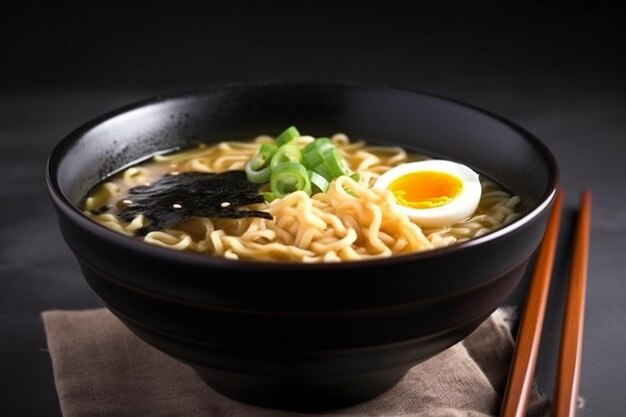
Standard toppings in Oklahoma City ramen typically include nori (seaweed sheets), green onion, bamboo shoots, and a soft-boiled egg. Tamashii's advantage lies in its topping range and the transparency of what costs extra. Chashu (braised pork belly) usually incurs a $2 to $3 upcharge. Corn, mushrooms, and bean sprouts are typically included. Raw or pickled toppings like ginger and garlic amplify flavor and aid digestion, though not every ramen restaurant offers them as standard.
Ask whether broths contain shellfish, soy, or other common allergens before ordering. Oklahoma City ramen shops have improved their allergen transparency over the past three years, but you should confirm directly rather than assuming a vegetarian or gluten-free broth is available.
Seating and Timing Considerations
Tamashii seats customers at a counter and a few tables. Counter seating is standard in ramen restaurants and creates natural pacing: you order, sit within minutes, and receive your bowl within 10 to 15 minutes. Peak hours (lunch between 11:30 a.m. and 1 p.m., dinner between 6 p.m. and 8 p.m.) can produce a line, particularly on weekends. If you prefer to avoid waiting, visit between 2 p.m. and 5 p.m., when most ramen restaurants in Oklahoma City report minimal crowds.
Ramen is designed to be consumed immediately after plating. The broth cools and the noodles continue absorbing liquid if you wait. Do not expect your bowl to taste the same if you delay eating for 10 minutes while managing a parking situation or phone call.
How Tamashii Compares Locally
Oklahoma City now has enough ramen options that direct comparison makes sense. Some restaurants emphasize affordability and speed, positioning ramen as casual lunch food. Others invest in house-made noodles and extended broth cooking times, which justifies higher pricing. Tamashii appears to occupy the middle ground: better broth execution than quick-service competitors, but without the premium pricing or reservation requirements of high-end omakase-style restaurants.
If you are choosing between Tamashii and another Midtown ramen shop, the decision hinges on broth intensity preference and protein availability. Both will deliver a serviceable bowl. The difference emerges in whether the broth tastes like it spent the appropriate time on the stove, and whether your preferred toppings are offered without complicated substitution requests.
Practical Takeaway
Visit Tamashii during off-peak hours if you value a short wait, arrive prepared to eat immediately after your bowl reaches the counter, and confirm any dietary restrictions with staff directly. Ramen quality depends entirely on timing and technique once the bowl is plated, so a busy service period can affect the final product despite consistent preparation methods. If you want the best version of what Tamashii offers, 3 p.m. on a Tuesday will outperform 7 p.m. on a Friday.