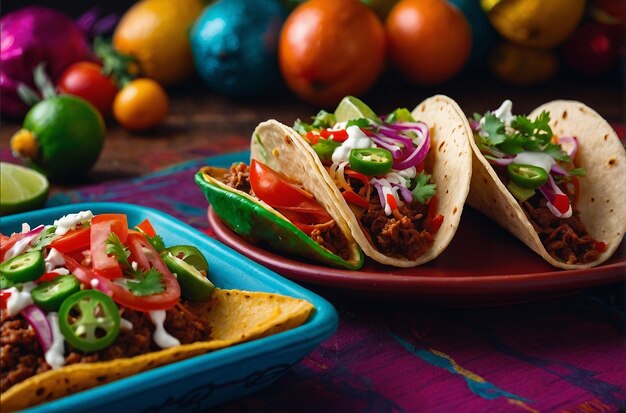
What to Expect at Tacos Don Nacho in Oklahoma City
Tacos Don Nacho operates in the Stockyard City area, where meat processing and food wholesale have anchored the neighborhood for decades. This guide covers what sets the restaurant apart in Oklahoma City's taco landscape, how its pricing compares to nearby competitors, and what you should order based on your preferences and budget.
Location and Accessibility
The restaurant's position in Stockyard City matters. This neighborhood sits south of Bricktown and east of Midtown, accessible from I-35 or via Agnew Avenue. Stockyard City's character differs markedly from the downtown restaurant corridor. You're in an area where food businesses orient toward working customers and wholesale buyers rather than tourist foot traffic. Parking is straightforward, and the surrounding blocks feel industrial rather than curated. This affects the dining experience: the focus stays on food quality and value rather than ambiance or design.
Menu Structure and Specializations
Tacos Don Nacho centers on traditional taco construction. The restaurant works from a straightforward model: choose protein, specify tortilla type (corn or flour), and select from a small range of toppings and salsas. This isn't a kitchen experimenting with fusion or reinvention. The constraint is deliberate. When a restaurant commits to doing one thing well rather than maintaining a broad menu, execution typically improves, and prices stay lower.
Carnitas (slow-cooked pork) and carne asada (grilled beef) form the backbone of the menu. Pollo asado (grilled chicken) rounds out the primary proteins. These are not novelty fillings; they reflect what has worked in Mexico City and northern Mexican states for generations. The kitchen respects these distinctions rather than treating protein choice as interchangeable.
Corn tortillas arrive warm and are made in-house. Flour tortillas are also available. This matters because many taco restaurants in Oklahoma City source pre-made tortillas from distributors. The difference in taste and texture is noticeable within the first bite. Handmade corn tortillas have more pronounced corn flavor and a more delicate structure; they also absorb salsa differently than commercial alternatives.
Pricing and Portions
Individual tacos run between $2 and $3 each, depending on protein choice. Carnitas typically cost $2.50 per taco; carne asada runs closer to $3. A meal of three to four tacos, with rice and beans, lands most customers between $12 and $16 before tax. This pricing sits below the downtown Bricktown average, where taco plates or taco specialties often exceed $15 for comparable portions.
Portions are moderate. Tacos Don Nacho does not compete on volume; a customer accustomed to large burritos or oversized taco platters from chain establishments will notice the difference. The approach aligns with traditional Mexican service, where tacos are eaten as part of a meal rather than as a single large entree. Rice and beans come standard, and adding a beverage and salsa brings the total cost into a predictable range.
Salsa and Toppings Strategy
Three or four salsas typically rotate through the line: salsa verde (green, tomatillo-based), salsa roja (red, tomato-based), and sometimes a chipotle or habanero variant. The kitchen does not label heat levels clearly, so first-time customers should ask before committing to the spicier options. Salsa quality varies with ingredient freshness, so consistency may shift seasonally.
Standard toppings include diced onion, fresh cilantro, lime wedges, and shredded cabbage. Avocado and queso fresco are sometimes available but may depend on the day. This limited range keeps labor down and means the kitchen can focus on the proteins themselves rather than managing dozens of ingredients.
Comparison to Other Oklahoma City Taco Sources
The restaurant occupies a middle ground in the city's taco ecosystem. Taco trucks and smaller informal vendors in neighborhoods like Midtown and Bricktown often undercut Tacos Don Nacho on price, sometimes by a dollar per taco, but typically work with less consistent ingredients and shorter operating hours. Sit-down restaurants with full bars and tableside service in Midtown and Bricktown charge significantly more (often $4 to $5 per taco) but offer alcohol, dessert menus, and longer evening hours.
Tacos Don Nacho's advantage is the combination of reasonable pricing, quality proteins, and consistent availability. It functions as a lunch destination more than an evening social spot. Weekend hours are more limited than weekday service, so planning around the schedule is necessary.
Practical Ordering Approach
Arrive hungry but not ravenous. Three tacos with rice and beans is a satisfying meal rather than a challenge. If you are unsure about salsa heat, order one mild option and one medium, then adjust subsequent orders. The carnitas offer a gentler introduction than carne asada if you prefer less intensity.
Cash or card both work, though confirming current payment methods before your visit eliminates friction. If the restaurant is full during lunch hours (typically 11:30 a.m. to 1 p.m. on weekdays), the line moves quickly because the menu is fixed and the kitchen operates on assembly-line efficiency.
Tacos Don Nacho serves a specific function in Oklahoma City's food landscape: reliable, straightforward tacos at fair prices in a neighborhood location. It is not positioned as a destination restaurant requiring a special trip across the city, and treating it that way sets wrong expectations. It works best as a regular spot for people who work, live, or frequent Stockyard City and its surrounding areas.