Where to Eat Steak in Oklahoma City: Cuts, Price Points, and What Each Delivers
Oklahoma City's steakhouse landscape splits into two distinct categories: establishments that prioritize dry-aged beef and classical technique, and those that emphasize regional cattle and contemporary plating. Understanding which model fits your budget and occasion prevents disappointment, especially since prices and preparation philosophies vary sharply.
The city's steakhouse options cluster in Bricktown, Midtown, and the Plaza District, each neighborhood attracting different clientele and price sensitivity. A meal in Bricktown runs higher than comparable cuts in Midtown, partly because of real estate costs and partly because diners there expect tableside service and wine programs that smaller venues cannot sustain.
Premium Dry-Aged Operations
Cattlemen's Steakhouse in Indian Territory (Anadarko area, approximately 30 miles south of downtown) represents the state's oldest continuously operating steakhouse, opened in 1910. The drive is significant, but the kitchen sources Angus beef and dry-ages in-house. Expect to pay $45 to $65 for a 12-ounce ribeye, with sides like loaded potatoes and creamed corn at $8 to $12 each. Service follows a traditional model: servers present the cut before cooking, and the menu includes few surprises. This works well for diners seeking consistency and don't mind the commute for a special occasion.
Within Oklahoma City proper, Bricktown steakhouses occupy the mid-to-premium tier. These venues typically source beef from regional or national suppliers rather than maintaining dedicated aging rooms, which keeps overhead lower than Cattlemen's but still allows for quality protein. Rib eyes and New York strips cost $42 to $58 depending on weight. The difference between a $45 and $55 steak at these locations often reflects thickness and fat cap rather than aging duration.
Midtown and Alternative Models
Midtown restaurants in the Automobile Alley area and near Film Row tend to price steaks $10 to $15 lower than Bricktown equivalents, partly because the neighborhood attracts younger diners and partly because these venues often run lower rent. A 12-ounce ribeye in Midtown typically ranges $32 to $48. Many of these kitchens emphasize butter finishing and compound seasonings over the classical salt-and-sear approach. Some incorporate Asian or Latin accents into sides, which appeals to diners who want steak but not strict traditionalism.
The Plaza District, on the city's northeast side, hosts smaller establishments with even more flexible pricing and sourcing. Several operate as hybrid concepts, serving steak two or three nights weekly rather than exclusively. This model keeps beef costs manageable because inventory turns faster and storage space requirements drop. A quality steak in the Plaza District runs $28 to $42, and portions sometimes smaller than Bricktown counterparts, but the trade-off suits casual dining budgets.
Practical Differences in Cut Selection and Preparation
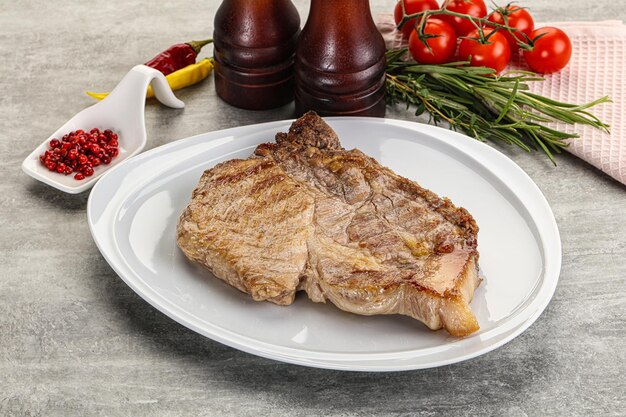
Most Oklahoma City steakhouses offer ribeye, New York strip, filet mignon, and porterhouse. The choice between them involves actual tradeoffs, not preference alone. Ribeye contains more intramuscular fat and forgives slight overcooking; it's the reliable choice if you're uncertain about house cooking temperature. New York strip requires more precision to remain tender, particularly if you prefer medium-rare. Filet mignon costs most but contains least fat, making it the leanest option for diners avoiding richness.
Cooking temperature terminology matters. When you order medium-rare, steakhouses interpret this differently. Some aim for 130°F internal temperature; others cook to 135°F. Ask your server the target range if you have strong preferences. Bricktown establishments with higher check averages more often honor specific temperature requests because they train kitchen staff differently. Smaller Midtown restaurants sometimes work with fewer grill stations and may cook steaks in batches, which can mean longer waits during peak hours (Friday and Saturday 6 PM to 8 PM).
Sides, Pricing, and Value
Steakhouses charge separately for vegetables, potatoes, and bread. Expect to pay $6 to $14 per side. The difference between a $6 and $12 side isn't always obvious. A loaded baked potato might cost $7, while roasted asparagus with hollandaise costs $10. Neither represents poor value; the price reflects labor intensity and ingredient cost. Budget $15 to $25 for sides when calculating a full meal cost.
Bricktown venues often include bread and amuse-bouches in the dining experience; smaller operations typically charge for bread baskets ($4 to $6) or skip them entirely. This affects perceived value. A $55 steak at a Bricktown restaurant, plus two sides and bread, runs closer to $85 to $95 before drinks and tax. The same steak in Midtown, with identical sides, costs $70 to $80 total.
Reservations and Timing
Bricktown steakhouses require reservations on weekends and accept them for weekdays, though walk-ins sometimes find counter or bar seating. Midtown and Plaza District venues operate with lower capacity and accept reservations less often; call ahead if you're dining with a group larger than four. Prime dining hours (6 PM to 8 PM Friday through Saturday) fill quickly everywhere. Dining at 5 PM or after 9 PM typically secures a table without advance booking, even on weekends.
Practical Takeaway
Choose Bricktown if you want formality, consistency, and don't mind paying premium prices for the full steakhouse experience. Choose Midtown if you want quality beef at lower prices and appreciate some culinary creativity with your steak. Choose the Plaza District if you're budget-conscious and willing to trade polish for authenticity and value. None of these choices is wrong; they reflect different occasions and priorities.