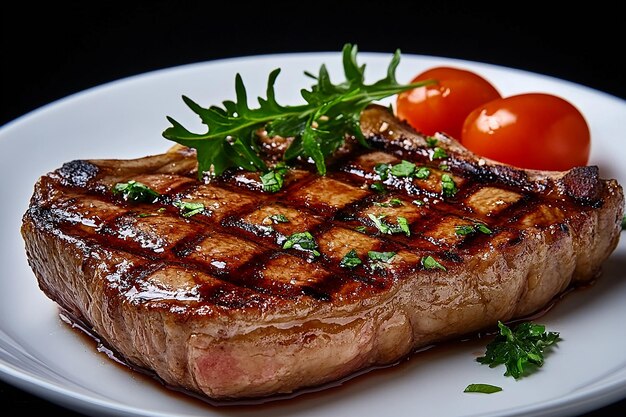
Where to Find Serious Steaks in Oklahoma City
Oklahoma City's steak restaurants cluster into three operational models: high-end steakhouses with wine programs and tableside service, casual chophouses that prioritize beef quality over ceremony, and barbecue joints that smoke brisket and ribs alongside steak cuts. Understanding which model matches your budget and occasion saves time and prevents misaligned expectations.
The city's steakhouse culture reflects its cattle-ranching heritage and oil-industry dining traditions. Most establishments source beef from regional distributors, though specific sourcing varies. What separates the stronger options is consistency in execution: proper dry-aging, temperature control, and finishing technique. After reading this guide, you will know where each restaurant excels, what to order, and what price range to expect.
The Upscale Steakhouse Category
Cattlemen's Steakhouse in Anadarko, about 45 minutes southwest of downtown Oklahoma City, operates as a destination restaurant rather than a neighborhood option. It specializes in grain-fed beef and serves a largely older clientele accustomed to traditional steakhouse service. Entrees run $35 to $55 before sides. The restaurant maintains a full bar with bourbon selections suited to beef, though wine depth is limited. Reservations are effectively required; walk-ins face 45-minute waits on weekends.
Within Oklahoma City proper, Elote Cafe in Uptown handles steak as part of a broader seasonal American menu rather than as the primary focus. Steaks here are thinner-cut and typically finished with compound butter or pan sauce. The restaurant draws from a younger demographic and prices individual steaks in the $28 to $38 range, with a wine program that emphasizes natural and low-intervention producers. The space is tight and loud, unsuitable for quiet business dinners.
Ludivine in Midtown OKC serves beef as a secondary protein, rotating steaks based on seasonal availability and market price. When available, a dry-aged strip or ribeye might anchor the menu alongside fish and vegetable-forward plates. The restaurant functions more as a fine-dining establishment that happens to serve steak than as a steakhouse proper. Pricing is comparable to Elote, and wine selection is considered among the city's strongest.
The Neighborhood Steakhouse Model
The Stockyard City district, centered around Agnew Avenue south of I-40, concentrates livestock auctions, feed suppliers, and meat-focused restaurants. Two steakhouses operate here with working-class pricing and no-frills service. Both restaurants cater to ranchers, livestock traders, and beef buyers who prioritize meat quality over ambiance. Dinners without alcohol run $25 to $40 per person. This district operates as the actual heart of Oklahoma City's beef industry, not a themed recreation of it. Expect plastic booths, efficient servers, and beef cooked to order without theatrical presentation.
Cattlemen's Steakhouse (distinct from the Anadarko location) maintains a second location in the Plaza District, closer to central Oklahoma City. This version operates at a smaller scale and attracts a mixed neighborhood crowd rather than a purely industry clientele. Steaks are comparable in quality to the main Stockyard City location, with slightly higher pricing to account for neighborhood demographics.
Barbecue and Slow-Smoked Beef
Oklahoma City's barbecue restaurants treat steak differently than steakhouses do. Smoked brisket appears more frequently than steak in proper barbecue contexts. Loaded Bowl, with multiple locations including one in Uptown, serves smoked beef plates in the $14 to $22 range, using Texas-style preparation methods. Meat is sold by weight, not by cut name. These establishments fill a different need: casual lunch or dinner without reservation pressure, lower cost, and a different flavor profile (smoke and char rather than sear and butter).
Practical Ordering Logic
Steakhouse ribeyes in Oklahoma City typically cost $5 to $10 more than equivalent strips due to marbling and perceived tenderness, though strips offer better crust and cleaner beef flavor. Dry-aged steaks cost $10 to $15 more per pound than fresh-cut beef and appear on fewer menus; call ahead if dry-age is your preference.
Sides are universally charged separately at $4 to $8 each. Plan for at least two: a starch (potato, rice) and a green (spinach, asparagus). Many restaurants limit potato variety to baked or fries; specify at reservation if you prefer something else.
The Stockyard City restaurants accept walk-ins at lunch and early dinner but fill by 7 PM on Fridays and Saturdays. The upscale restaurants (Ludivine, Elote) require advance reservation and operate on tighter seating, with tables typically held for two-hour windows.
Choose Stockyard City for direct beef quality and price-to-portion value. Choose Ludivine or Elote if you want wine pairing and expect to order one carefully constructed dish rather than beef plus sides. Choose loaded Bowl or comparable barbecue joints for casual lunch or if you prefer smoke flavor to sear. None of these categories overlap in service model or occasion.