What to Expect at Shiki Japanese Restaurant in Oklahoma City
Shiki Japanese Restaurant operates in Midtown Oklahoma City, where it competes directly with several other Japanese establishments across the metro area. This guide covers what Shiki offers operationally and culinarily, how its menu and pricing compare to nearby alternatives, and whether the location and service model fit your dining needs.
Location and Accessibility
Shiki sits in the Midtown district, Oklahoma City's walkable commercial zone anchored by NW 23rd Street. This placement matters because Midtown concentrates dining options within a few blocks, making it convenient for diners who want to explore multiple restaurants in one trip or who work nearby. Street parking is available along NW 23rd, and the district draws a consistent afternoon and evening crowd.
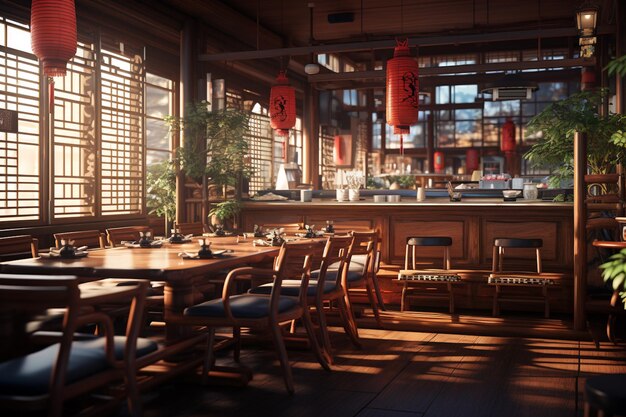
The restaurant occupies a standard retail footprint rather than a dedicated full-service building, which affects both seating capacity and the pacing of service. Tables are set at moderate spacing, supporting conversation without the isolation of booths. Counter seating faces the kitchen in the sushi area, a configuration that works well for solo diners or those specifically interested in watching nigiri preparation.
Menu Structure and Pricing
Shiki organizes its menu into sushi rolls, nigiri, sashimi, hot appetizers, and entrees. Roll pricing typically falls between $5 and $12 per order, with specialty rolls at the higher end. Nigiri runs $2 to $3 per piece when ordered individually, or $12 to $18 per sampler plate of six to eight pieces. Sashimi plates start around $14 and climb to $25 for premium fish selections. Hot appetizers like gyoza, edamame, and tempura range from $4 to $8.
This pricing aligns with mid-tier Japanese dining in Oklahoma City. Shiki undercuts high-end sushi counters that charge $25 to $40 per nigiri sampler, but sits above casual conveyor-belt sushi operations where rolls cost $2 to $4. The difference in cost reflects ingredient freshness and preparation time: Shiki sources whole fish for daily cutting rather than pre-portioned supplies.
Entrees like teriyaki chicken, beef, or salmon run $14 to $18 and include steamed rice and a small side of vegetables or salad. These appeal to diners who want cooked protein instead of raw fish, broadening the restaurant's appeal beyond sushi-focused customers.
Comparison to Other Oklahoma City Japanese Options
Oklahoma City has three distinct Japanese dining tiers. Upscale options like establishments in the Bricktown corridor offer omakase experiences ($60 to $100 per person) with imported fish and chef's selections, targeting special occasions and experienced sushi eaters. Shiki operates in the middle tier, serving neighborhood diners who want reliable sushi quality without special-occasion pricing or lengthy tasting menus.
Casual chains in the northwest OKC suburbs offer faster service and lower prices ($3 to $6 per roll) but typically use frozen or previously frozen fish, which affects texture and taste. Shiki's daily-rotation fish inventory and in-house preparation represent a meaningful step up in freshness.
A key trade-off: Shiki does not offer omakase or chef's special experiences. The menu is fixed, and preparation follows a consistent format. Diners seeking interactive sushi-making or unusual fish varieties should plan for the higher-tier restaurants instead. But for repeat visits and predictable quality, Shiki's stability works in its favor.
Service Model and Timing
Shiki operates with table service for sushi and entrees, not conveyor-belt or ordering-at-counter formats. This means slightly longer wait times between order and delivery, but also accurate customization and the ability to ask questions about ingredients or preparation.
Lunch service (typically 11 a.m. to 2 p.m., verification recommended) draws the weekday office crowd from Midtown and surrounding business districts. Dinner (5 p.m. to 10 p.m., with Friday and Saturday extending to 11 p.m.) sees a mixed clientele of neighborhood residents, couples, and groups. Weekend lunch is busier than weekday lunch, particularly Saturday. Plan for a 15 to 25-minute wait during peak dinner hours (6:30 p.m. to 8:30 p.m.) on Friday and Saturday.
Staff training emphasizes correct handling of raw fish and cross-contamination prevention. If you have a fish allergy, staff can clarify which rolls and dishes are safe; they do not advertise a dedicated sushi knife or cutting board for allergen-free preparation, so full elimination is not guaranteed.
Ingredient Quality and Sourcing
Shiki sources whole fish multiple times per week, with most arrivals on Tuesday and Friday mornings. The rotation means Tuesday through Wednesday afternoons offer the freshest sashimi and nigiri, while by Sunday evening the stock reflects three to four days of storage. This is standard retail sushi practice, not a critique. The cold chain is maintained correctly, and the fish displays no signs of oxidation or drying.
Specialty rolls like spicy tuna, California rolls, and Philadelphia rolls use both fresh-prepared tuna and Atlantic salmon alongside imitation crab (standard across Oklahoma City restaurants; real crab adds significant cost). The vegetable rolls, cucumber, and avocado options rotate in freshness with produce deliveries, typically Monday and Thursday.
Soy sauce, wasabi, and ginger are table-standard offerings. Shiki uses tube wasabi rather than fresh-grated, consistent with most casual sushi restaurants outside high-end venues. Soy sauce is a recognizable Japanese brand, not house-made.
When to Choose Shiki
Shiki works best for diners who want reliable mid-range sushi in Midtown, prefer consistent execution over novelty, and plan to visit regularly. The fixed menu and straightforward pricing support habit-forming visits. It accommodates mixed groups (sushi eaters and cooked-food eaters at the same table) without forcing compromise.
Skip Shiki if you seek imported luxury fish, want a chef's narrative about each dish, or prefer faster casual-dining speed. The Bricktown high-end options will satisfy the first two; the suburban chain locations will deliver the third.
The practical takeaway: Shiki fills the neighborhood role in Midtown's food economy. It is open consistently, priced transparently, and staffed to handle weekday lunch and weekend dinner traffic without drama. That reliability, not novelty, is what sustains mid-tier Japanese restaurants across Oklahoma City.