Rococo Brings French-Italian Technique to Midtown Oklahoma City's Casual Fine Dining
Rococo operates as a neighborhood restaurant in the Midtown district, positioned between casual dining and fine dining without fully committing to either category. This guide covers what to expect from the menu, how its pricing and service model compare to similar establishments in Oklahoma City, and whether the execution justifies the positioning.
The Restaurant's Location and Concept
Rococo sits on Northwest 23rd Street in Midtown, a strip that has consolidated mid-range independent restaurants over the past decade. The neighborhood includes barbecue establishments, pizza-focused venues, and several farm-to-table concepts. Rococo distinguishes itself through French and Italian classical technique applied to seasonal ingredients, a combination less common among OKC restaurants than straightforward French bistro service or Italian trattoria informality.
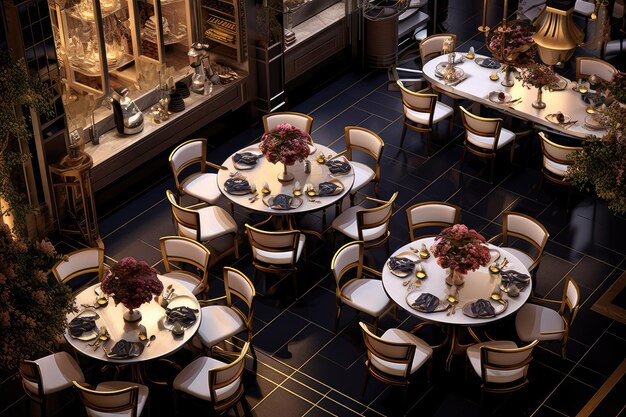
The dining room maintains soft lighting and closely-spaced tables typical of establishments aiming for intimacy without formality. Staff wear dark aprons and button-ups rather than formal service uniforms. This aesthetic choice signals that you should expect competent, attentive service without the ritual of fine dining: no tableside preparations, no bread service presentation, no wine pairing monologues. The menu typically runs 12 to 16 entrees that rotate with seasonal availability.
Menu Approach and Pricing Structure
Rococo prices entrees between $22 and $34, placing it roughly $8 to $12 above casual neighborhood restaurants and $10 to $15 below establishments in the Plaza District or Bricktown that market themselves as fine dining destinations. You pay for technique and ingredient sourcing rather than for service theater or extensive wine program depth.
The menu builds on a few consistent anchors. Pasta dishes lean toward northern Italian preparations: risotto variations, hand-rolled shapes in brown butter sauces, or cream-based preparations. Protein entrees feature seasonal vegetables roasted or sauteed rather than plated alongside starch and sauce in separated zones. A typical menu might include a duck breast dish with cherry gastrique and root vegetable puree, a fish preparation with seasonal accompaniments like fennel or spring onion, and beef or lamb cooked to visible doneness with herb butters.
The kitchen demonstrates competence with temperature control and sauce consistency, two technical areas where many OKC restaurants underperform. Sauces taste intentional rather than applied, and proteins arrive at target temperature without exception. Pasta shapes show signs of proper drying time and cooking technique. These details matter because they represent the difference between a restaurant that has studied French classical training and one that has watched online tutorials.
Comparisons to Competing Establishments
Rococo differs meaningfully from Cattlemen's Steakhouse, which occupies a different price tier ($35 to $50 entrees) and relies on meat sourcing as primary value proposition. It differs from The Red Cup, which operates as a cafe and bakery rather than a dinner-focused restaurant. It differs from Ted's Cafe Escondido, which anchors the entertainment district with higher volume and less technical plating ambition.
The closest comparison point is Osteria, also in Midtown, which emphasizes Italian cuisine with similar pricing. The trade-off: Osteria maintains a slightly more casual bar-forward culture and a narrower focus on Italian tradition, while Rococo blends French technique with Italian ingredients in a way that appeals to diners seeking novelty within familiar frameworks.
For diners choosing between Rococo and restaurants in Bricktown marketed as contemporary American, Rococo's advantage lies in consistency of technique. Its disadvantage lies in smaller wine program (typically 50 to 70 selections rather than 100 to 150) and less ambitious dessert execution than fine dining establishments charging $40 to $50 per entree.
What the Kitchen Handles Well and Where Limitations Show
The kitchen executes sauces, pasta, and braised preparations with visible training. These represent labor-intensive techniques that reveal whether a chef has worked in high-volume French kitchens or refined skills through deliberate practice. Rococo's consistency across these categories suggests formal culinary training rather than self-taught improvisation.
Protein cookery shows similar competence. Fish arrives neither overcooked nor undercooked; beef reaches accurate doneness; lamb carries enough residual heat for resting. This precision requires thermometer discipline and kitchen communication systems that many OKC restaurants lack.
Seasonal vegetable preparation represents the middle ground. Vegetables show proper char and salt seasoning but rarely achieve the level of technical finish seen at higher price points. A roasted carrot will be properly caramelized but not transformed through technique into something unexpected.
Desserts operate at competent bistro level rather than pastry program level. Expect proper execution of chocolate tortes or fruit tarts rather than elaborate architectural presentations. This matches the restaurant's positioning: good enough to end the meal satisfyingly without attempting to compete with dedicated dessert-focused establishments.
Service Model and Dining Experience Duration
Service moves at neighborhood restaurant pace rather than fine dining ceremony. You will not experience extended pauses between courses, bread service, amuse-bouche, or detailed course pacing. Expect 90 minutes for a two-course meal and 120 minutes for three courses, including bar time before seating.
Staff can discuss menu items with reasonable specificity, naming farms or purveyors for some ingredients and explaining preparation methods. They do not carry extensive flavor pairing knowledge and will admit uncertainty rather than over-speak.
Reservations operate necessary during weekend service and recommended on weeknights. Walk-ins will face 30 to 45 minute waits on Friday and Saturday. The reservation system operates through standard online platforms rather than requiring phone contact.
The Practical Question: Is This Worth the Trip
Rococo fills the gap between restaurants that serve food competently and restaurants that push technique far enough that pricing demands justification through revelation. A diner seeking a casual neighborhood restaurant with trained kitchen staff and moderate prices will find legitimate value. A diner expecting fine dining presentation or a wine program that justifies $200 bottles should look elsewhere.
The restaurant succeeds as a reliable Midtown option where technique, ingredient quality, and pricing align without pretense. Order the pasta or braise, choose a $20 to $35 wine from the modest list, and expect a meal that takes technique seriously without requiring ceremony.