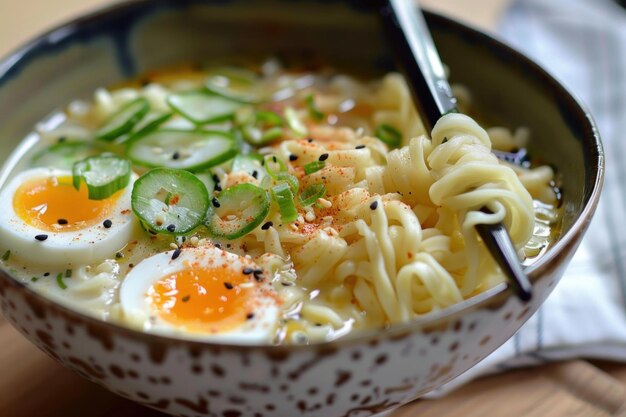
Where to Find Ramen in Oklahoma City: Quality, Style, and What to Expect
Ramen in Oklahoma City occupies a smaller footprint than in major coastal cities, but the restaurants that have opened here reflect deliberate choices about broth technique, noodle sourcing, and regional Japanese traditions. This guide covers what's actually available, how the options differ, and what you should know about pricing and preparation methods before you order.
The Current Ramen Landscape
Oklahoma City has three established ramen-focused restaurants and a handful of casual spots that serve ramen alongside broader menus. The dedicated ramen houses tend to concentrate in Midtown and near the Plaza District, areas that have drawn younger diners and restaurateurs willing to invest in specialty equipment like high-capacity broths that require 12 to 18 hours of simmering.
The distinction matters because ramen's core cost structure comes from broth. A tonkotsu (pork bone) broth or shoyu (soy-based) broth simmered overnight cannot be rushed. This means ramen at a committed shop typically costs $13 to $18 per bowl in Oklahoma City, compared to $11 to $16 in many Midwestern cities and $14 to $22 in coastal markets. The lower end here reflects smaller rent and labor costs; the ceiling is still honest work, not inflated demand.
Tonkotsu and Shoyu: The Two Main Styles You'll Find
Tonkotsu ramen, built on a milky pork bone broth, dominates Oklahoma City's ramen scene. This style requires pork bones to be boiled hard for at least 12 hours to emulsify the collagen into a creamy suspension. A few local restaurants have committed to this method. The result is rich, heavy, and best eaten in cooler months or by diners who want sustained fullness.
Shoyu ramen, built on a lighter soy-based broth, appears less frequently but is easier to execute year-round. It's also the safer choice if you want to taste the noodles themselves rather than be overwhelmed by broth intensity. Expect shoyu ramen to run slightly cheaper, often $1 to $2 less than tonkotsu.
Miso ramen and vegetable-forward broths are rare in Oklahoma City and usually appear only as rotating specials. If you're seeking those, call ahead.
What You Should Know About Noodles and Toppings
Most Oklahoma City ramen restaurants either make noodles in-house or receive fresh shipments three to four times weekly from regional suppliers. In-house production is labor-intensive; restaurants that do it often charge a dollar or two more per bowl but gain consistency and control over texture.
The standard toppings across Oklahoma City spots include chashu (braised pork belly), soft-boiled egg, nori (seaweed sheet), green onion, and bamboo shoots. Some restaurants charge $1 to $2 extra for additions like corn, mushroom, or extra protein. This is standard pricing, not a markup. A loaded bowl with triple chashu or an extra egg will run you $20 to $23.
Broths in Oklahoma City's ramen restaurants are typically salted, not seasoned with tare (concentrated sauce) at the bottom of the bowl. This matters because it means the salt content is distributed evenly rather than intense at first sip. If you're sodium-sensitive, ask whether the restaurant can prepare a lighter version; most will accommodate, though you lose some depth.
Evaluating Options: What Differs Between Restaurants
When choosing where to go, consider these trade-offs:
Broth intensity versus accessibility: Restaurants committed to 18-hour bone broths produce richer, more complex flavors but heavier bowls that exhaust some diners halfway through. Lighter broths simmered for 10 to 12 hours are closer to what casual American diners expect and are easier to finish in one sitting.
Noodle texture: Some Oklahoma City ramen shops cook noodles to a slight firmness (called al dente in pasta but "al dente" concepts don't quite apply here; the Japanese term is "kata"). Others cook them softer for broader appeal. If you have no preference, expect medium firmness as the default.
Customization willingness: A few restaurants in Oklahoma City will adjust broth strength, noodle firmness, and spice level without argument. Others treat the bowl as a fixed item. This matters if you're particular or have dietary restrictions.
Price consistency: Most ramen bowls in Oklahoma City cost between $13 and $18 before tax and tip. Places charging $11 or less are cutting corners on broth time or bone quality. Places charging $20 for a base bowl (before premium toppings) are positioning themselves as premium but don't always deliver proportional value.
Practical Preparation and Timing
Ramen preparation takes 8 to 12 minutes from order to plate, even at efficient restaurants. This is not fast food timing. Plan for a 30-minute visit if the restaurant is quiet, 45 minutes to an hour during lunch or dinner service. A few Oklahoma City locations offer online ordering, but ramen is best eaten immediately after plating because the noodles continue absorbing broth and become mushy if held.
Eat ramen while sitting at a counter or table, not in your car. The broth splatters, and the noodles need to be consumed quickly while they have textural integrity.
Where to Start
If you've never had ramen or want to confirm you like it before committing to a specialty restaurant, try a casual spot that serves ramen alongside other Asian noodles and rice bowls. This lets you taste the style without the full $16 investment.
If you're ready for the full experience, find a restaurant that simmers broth in-house and ask what broth they're running that day. Ramen restaurants often rotate between tonkotsu and shoyu on alternating weeks or days, and some keep a third broth type as a standing special. Knowing what's on lets you plan your visit around what appeals to you.
Expect to spend $16 to $23 per person including a drink and tip. The meal is satisfying enough that appetizers are unnecessary, though some Oklahoma City ramen restaurants serve gyoza or edamame as sides.