Ethiopian Food in Oklahoma City: Where to Eat at Queen of Sheba and How It Fits the Local Scene
Queen of Sheba Restaurant sits in a segment of Oklahoma City's dining landscape that remains underrepresented despite steady growth in the metro area's international food culture. This guide explains what to expect from the restaurant, how its menu and service model compare to other Ethiopian options in the city, and whether the experience justifies a trip from different parts of OKC.
What Queen of Sheba Offers
Queen of Sheba operates as a full-service Ethiopian restaurant, meaning injera (the spongy flatbread that serves as both plate and utensil) anchors every meal, and dishes arrive family-style for shared dining. The restaurant's menu centers on wots (stews), which are the foundation of Ethiopian cuisine. Doro wot, a chicken stew built on berbere spice and hard-boiled eggs, typically costs between $12 and $15 for a single portion. Misir wot (red lentil stew) and shiro (chickpea flour-based preparation) represent the vegetarian offerings, each around $10 to $13. Combination platters that bundle three or four stews on a single injera run $18 to $24 per person, making them the practical choice for groups or those wanting variety without multiple orders.
The service model is critical context: unlike counter-service or quick-casual spots, Queen of Sheba requires seated dining and operates on table turnover, not quick transactions. Meals typically run 60 to 90 minutes, which matters if you're eating between work appointments downtown or during a lunch break. Reservations are advisable on weekends, particularly for groups larger than four.
Positioning Within Oklahoma City's Ethiopian and African Food Context
Oklahoma City has limited Ethiopian representation. Queen of Sheba competes primarily against casual or fast-casual African restaurants and against the broader category of ethnic cuisines people in OKC might pursue instead. The restaurant occupies a different price tier and dining pace than, for example, quick casual options in Midtown or the Plaza District. It also occupies a different cultural space than the established Indian, Thai, and Vietnamese restaurants that dominate OKC's international dining conversation.
The lack of direct competitors in OKC means Queen of Sheba faces no pressure to differentiate on speed, price, or portion size. This can work in its favor (fewer franchise-style compromises to quality) or against it (less incentive to innovate if no comparable alternative exists locally).
Practical Details for Different Parts of Oklahoma City
Location matters significantly for OKC diners given the metro area's car-dependent geography. Queen of Sheba's exact neighborhood placement determines whether the restaurant is a destination you plan around or a convenient stop. Diners from the northern suburbs (Edmond, Bethany, The Village) face a longer drive than those in Midtown or near downtown. Evening traffic patterns on I-44 or I-35 can add 20 minutes to travel time from areas like Nichols Hills or northern Oklahoma City proper.
Parking typically determines ease of access more than the address itself. If the restaurant offers on-site parking or is located in a strip center with dedicated spaces, it removes friction from the decision to visit. Street parking or parking lots shared with multiple tenants adds logistical friction, especially for groups.
Menu Approach and Dietary Flexibility
Ethiopian cuisine's inherent structure makes it naturally suited to mixed-diet groups. The vegetable-heavy preparation of many wots means vegetarian diners eat from the same menu as meat eaters without feeling like an afterthought. Vegan options exist if preparation is confirmed (avoiding ghee in vegetable dishes, for example), though this requires direct conversation with staff. Gluten-free diners should verify that injera contains only teff flour and water, and confirm that the restaurant does not cross-contaminate in prep.
The communal eating format also changes the social dynamic compared to individual plating. This works well for groups with existing rapport or for those explicitly seeking a shared dining experience. It can feel awkward for two people on a first date or for diners who prefer individual portions and personal space.
Service and Atmosphere Expectations
Ethiopian restaurants in the United States operate on a different service rhythm than American casual dining. Courses don't separate into apps, mains, and dessert. Food typically arrives in one volley. Staff may not check for refills or course readiness with the frequency American diners expect from table service. This is not poor service; it reflects different dining conventions. Knowing this prevents frustration and allows you to ask directly for water, drinks, or timing adjustments without treating it as a failing.
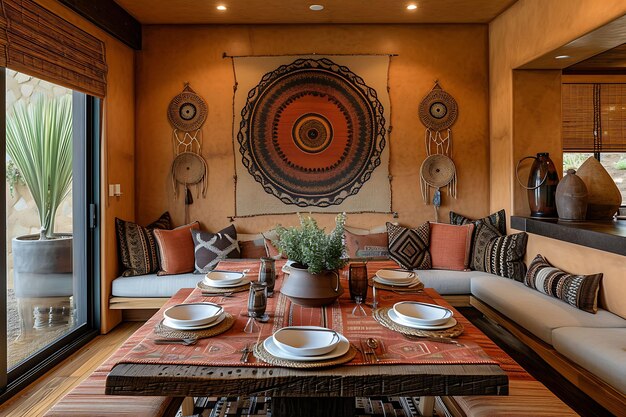
Atmosphere in Ethiopian restaurants often reflects the cultural significance of meals as social events. Decor may emphasize Ethiopian art, textiles, or photographs rather than ambient lighting or design trends. Music might include contemporary or traditional Ethiopian selections. This appeals to diners seeking cultural authenticity and cultural experience alongside food. It may feel sparse or dated to diners prioritizing sleek design or background music from streaming playlists.
When Queen of Sheba Makes Sense as a Choice
This restaurant serves specific eating occasions well. It works for groups planning a meal as the evening's focus rather than a quick fuel stop. It works for diners with curiosity about Ethiopian food who want to experience it in a restaurant designed around that cuisine, not as a secondary offering in a pan-African or multicultural space. It works for people living or working in the restaurant's immediate area who build it into a regular rotation.
It does not work well for rushed meals, drive-through preference, or situations where you need to eat and leave within 30 minutes. It also may not work if your group includes people who are texture-averse or spice-averse without strong advance interest in trying Ethiopian food specifically.
The Practical Bottom Line
Visiting Queen of Sheba requires commitment to the dining format, the timeline, and the location. This is not a weakness if the restaurant is what you're traveling for. It becomes a friction point if you're treating it as incidental to another activity. Budget 75 to 90 minutes for the meal, confirm parking access before going, and call ahead for reservations if your group exceeds four people. Do this, and the restaurant delivers what it intends to offer. Show up without these adjustments, and the experience may feel unnecessarily complicated.