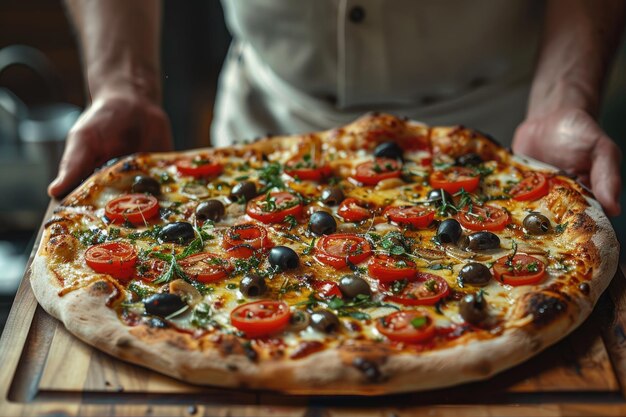
Wood-Fired Pizza in Oklahoma City: Where Gusto Competes
When someone opens a pizzeria focused on Neapolitan technique in Oklahoma City, the relevant question isn't whether wood-fired pizza exists here. It's how that specific approach fits into a pizza market where delivery chains dominate volume, local spots vary widely in oven quality, and diners often haven't experienced what a proper high-temperature bake actually tastes like. Pizzeria Gusto operates in that middle territory, and understanding its position requires looking at what separates it from other pizza options across the metro.
The Wood-Fired Category in Oklahoma City
Oklahoma City's pizza landscape splits into clear segments. National chains like Domino's and Papa John's handle rapid delivery across the city. Regional chains such as Jimmy John's and local operations in Midtown and Bricktown offer convenience with varying quality standards. Then there are dedicated pizzerias: some use conventional ovens, others have invested in wood-fired equipment.
A wood-fired oven, particularly one designed for Neapolitan-style pizza, operates at 800 to 900 degrees Fahrenheit. That temperature range creates a crust that cooks in 60 to 90 seconds, developing leopard-spotted char and interior structure you cannot replicate in a standard 500-degree oven. The difference is fundamental: crumb structure, crust chew, and how toppings char and release flavor all depend on that heat. When a pizzeria explicitly builds its concept around wood-fire capability, it signals technical commitment and higher ingredient standards.
What Sets Pizzeria Gusto's Model Apart
Pizzeria Gusto positions itself as an Italian-influenced wood-fired operation, which means it competes not against Domino's but against other establishments serious about dough fermentation, imported flours, San Marzano tomatoes, and animal-based fats. In Oklahoma City, that category includes a limited number of operators. Most pizza shops run conventional ovens and price accordingly. Pizzeria Gusto's model requires higher ingredient costs, longer fermentation periods for dough, and equipment maintenance specific to wood-fired systems.
The practical outcome: expect prices substantially higher than delivery chains. A Neapolitan margherita pizza typically runs $15 to $22 depending on size and toppings at wood-fired establishments nationally. Oklahoma City's cost structure and local wage rates allow Pizzeria Gusto to operate below coastal city pricing, but substantially above what customers pay for a chain large pepperoni.
Local Context: Where Wood-Fire Fits in OKC Dining
The Midtown Oklahoma City district has historically absorbed higher-end casual dining concepts, particularly around NW 23rd Street, where customers expect craft standards across coffee, cocktails, and food. Bricktown, the downtown entertainment corridor along the canal, focuses on volume and tourism traffic, though some restaurants there do invest in quality components.
Pizzeria Gusto's location matters. A pizzeria in Midtown attracts diners accustomed to paying premium prices for technique-driven food and willing to plan visits around hours and wait times. The same pizzeria in Bricktown might struggle with customer expectations shaped by casual tourism spending patterns. The customer base for wood-fired pizza in Oklahoma City skews toward people who either travel frequently or actively seek out food-focused experiences rather than convenient meals.
How to Evaluate Pizzeria Gusto Against Local Competitors
When comparing wood-fired pizza operations in Oklahoma City, focus on these specific factors:
Dough fermentation and flour quality. Reputable Neapolitan pizzerias ferment dough for 24 to 72 hours. This develops flavor complexity and digestibility. Ask how long Pizzeria Gusto ferments its dough. Flour sourcing matters equally. Italian 00 flour, Caputo type 1 flours, or domestic stone-ground flours each produce different results. A pizzeria willing to discuss this detail indicates genuine technical focus.
Tomato and cheese sourcing. San Marzano tomatoes from Campania, Italy cost considerably more than domestic canned tomatoes. Fresh mozzarella from a regional producer differs from commodity blocks. These choices drive both flavor and price. Pizzeria Gusto's menu or staff should reflect knowledge of where core ingredients originate.
Oven specifications. Wood-fired oven brands include Mugnaini, Forno Bravo, and Alfa, each with price and performance trade-offs. Oven design influences heat distribution and crust results. This is not casual knowledge for customers, but staff familiarity with their equipment indicates professional operation.
Topping philosophy. Authentic Neapolitan pizza keeps toppings minimal and high-quality. A menu with 20 specialty pizzas suggests different priorities than one offering 6 to 8 carefully composed options. Oklahoma City customers raised on customizable chain pizza may initially find limited menus restrictive. That constraint, however, typically reflects ingredient quality and technique focus rather than limitation.
Practical Considerations for Visiting
Wood-fired pizzerias operate differently from casual chain locations. Service is typically slower because pizzas cook individually in sequence rather than emerging from large deck ovens. Expect 15 to 25 minutes between order and arrival. That delay reflects the actual baking process, not kitchen inefficiency.
Hours often contract in off-seasons or during slower weekday periods. Lunch service may not exist at all; dinner may begin at 5 p.m. or later. Check ahead rather than appearing at 2 p.m. on a Tuesday expecting service.
Beverage programs at serious pizzerias emphasize Italian wine and beer, not the full cocktail lists of casual restaurants. That reflects both traditional pairing practices and operational simplicity. If Pizzeria Gusto maintains focused wine and beer selections, that aligns with quality-focused positioning.
Seating capacity is typically smaller than casual chains. Reservations may be necessary during peak hours (Thursday through Saturday evenings). Walk-in availability varies sharply by day and time.
When Pizzeria Gusto Makes Sense
Choose Pizzeria Gusto when you want to experience what wood-fired technique accomplishes. The visit is a deliberate choice, not a convenient solution. Plan time, check hours before arriving, and expect to spend more than you would at established chains. The payoff is crust structure, flavor development, and ingredient quality that 500-degree ovens cannot produce.
For quick weeknight meals or casual group gatherings where speed and cost efficiency matter most, standard Oklahoma City pizzerias or national chains remain practical choices. For diners willing to prioritize technique and ingredient quality over convenience, Pizzeria Gusto represents the category of serious pizza operations now present in Oklahoma City's dining market.