Where to Find Pizza in Oklahoma City: Styles, Neighborhoods, and What Sets Them Apart
Pizza in Oklahoma City breaks into distinct camps, and where you go depends on whether you want Neapolitan precision, Detroit-style thickness, or the casual neighborhood joint that's been serving the same recipe for thirty years. This guide covers the city's pizza landscape across multiple neighborhoods and cooking philosophies, with enough specificity that you can plan around what matters most: crust structure, ingredient sourcing, and how a place uses its oven.
The Divide Between Import and Local Identity
Oklahoma City's pizza scene reflects a broader tension in American pizza culture. National chains dominate volume, but the city has developed a working network of independent pizzerias that range from traditional coal-fired operations to places that treat pizza as a vehicle for regional sourcing. The meaningful split isn't between "good" and "bad"—it's between places built around a specific technical approach versus places that treat pizza as one item on a broader menu.
This matters because a pizzeria's primary identity determines what you're actually getting. A place that fires only pizza develops muscle memory across the peel, oven temperature management, and dough fermentation that a kitchen splitting focus between pasta, sandwiches, and appetizers cannot match. Conversely, restaurants that integrate pizza into a larger menu often have access to better cheese, cured meats, and produce buyers because volume and purchasing power support better sourcing.
Coal-Fired and High-Heat Operations
The most technically demanding pizza in Oklahoma City comes from ovens operating above 700 degrees Fahrenheit. These are typically wood-fired, coal-fired, or hybrid systems that require active temperature management and produce a different crust structure than conventional deck ovens: the exterior chars and puffs while the interior stays tender.
Pizzerias using these ovens tend to cluster in or near Midtown, where foot traffic and younger demographics support the price point these operations require. A coal or wood-fired pizza typically runs $16 to $24 depending on toppings, compared to $12 to $16 for a comparable pie at a conventional deck oven. The differential reflects not just ingredient cost but the fact that high-heat ovens are capital-intensive, require dedicated oven operators during service, and have lower throughput than conventional equipment.
If you prioritize crust character and are willing to wait 90 seconds for a pizza to cook, these places justify the cost. If you need dinner in 20 minutes and you're feeding a family of five on one check, they're inefficient.
Conventional Deck Ovens and Neighborhood Consistency
The bulk of Oklahoma City's independent pizza comes from conventional deck ovens operating around 500 to 550 degrees Fahrenheit. These cook pizza in 8 to 12 minutes, handle higher volume, and are far more forgiving to operate. They also produce a different crust: less char potential, more even browning, and a crust that stays softer longer after baking.
The Northwest 23rd Street corridor and areas near Classen Curve have clustered pizzerias of this type, many in operation for 15 to 20 years. They tend to have consistent ownership, dough recipes that have been refined through thousands of repetitions, and pricing that reflects lower operational overhead. A large pizza at these places often costs $13 to $18, with lower markup on specialty pies.
These aren't boutique operations, but they're also not chains. They serve neighborhood regularity and are built for repeating business, which means consistency matters more than novelty. Dough fermentation is typically 24 to 48 hours, sauce recipes rarely change, and the ingredient list is short.
Crust Styles and What They Signal
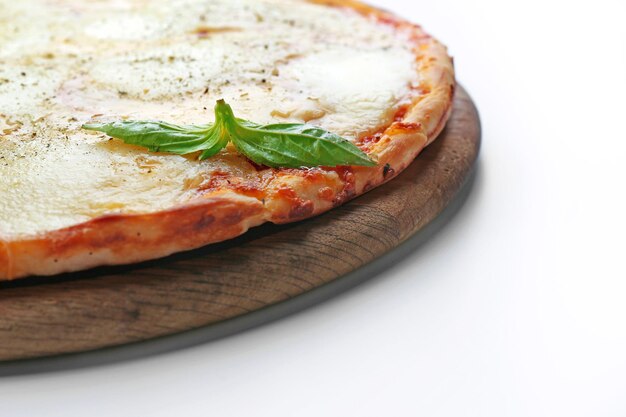
Understanding crust tells you what philosophy a pizzeria operates from. Neapolitan-style (typically 65 percent hydration, 24 to 72 hour fermentation, high heat) produces a blistered, relatively thin crust with char flavor. New York-style (lower hydration, fast fermentation, conventional heat) is denser and foldable. Detroit-style (high hydration, rectangular pan, olive oil-crisp sides) is thick, bread-like, and airy.
Oklahoma City has representation across these, but the distribution is uneven. You'll find more New York-influenced pizza than authentic Neapolitan simply because New York-style pizza is easier to execute at scale and doesn't require the infrastructure investment high-heat ovens demand. Detroit-style is rarer but has appeared in the past five years as a point of differentiation for newer operations.
Crust matters because it determines how you eat the pizza and how much satiation you get per slice. A thin, charred crust means more exposure to toppings and sauce; a thick, bread-heavy crust is more filling and less topping-forward. Neither is objectively better, but the choice signals whether a place is prioritizing craft or accessibility.
Ingredient Sourcing and What It Costs
The gap between a pizzeria that sources mozzarella from a regional dairy and one that uses commodity product is visible in the finished pie but invisible in the menu. A pizza with fresh mozzarella from a producer within 200 miles will have more pronounced flavor, better melt behavior, and higher cost. Commodity mozzarella is standardized, lasts longer, and costs less, which means lower menu prices and less risk of waste.
Places in Oklahoma City that emphasize local or regional sourcing typically advertise it, often on their website or on signage. They also tend to have higher menu prices (usually 15 to 30 percent above average for comparable size) and narrower ingredient lists, because sourcing constraints limit what's available. A place using 12 or fewer topping options is often a signal of sourcing deliberation.
Conversely, pizzerias with extensive topping lists, frequent limited-time offerings, and promotional specials are working within wholesale supply systems that prioritize consistency and cost control.
Geography and Convenience
Bricktown and Midtown have the highest density of independent pizzerias and the most obvious presence of high-heat, technically ambitious operations. Expect higher prices, longer waits, and a customer base that's visiting intentionally rather than grabbing dinner near home.
Neighborhoods further from downtown, particularly northwest areas and strips along Penn Avenue, have longer-established pizzerias with lower prices, faster service, and customer bases that are local repeat business. These places are less photogenic and less likely to have significant online presence, but they also tend to have simpler, more reliable operations.
If you live in a neighborhood with existing pizzeria options, trying the local place first makes practical sense: lower cost, faster service, and the operational consistency that comes from serving the same neighborhood for years.
What Changes and What Doesn't
Menu items rotate seasonally or monthly at places emphasizing seasonal ingredients. Dough recipes and sauce formulations are stable across years at neighborhood operations. Pricing shifts gradually with ingredient cost, usually annually rather than monthly. Staff turnover at independent pizzerias is typically lower than at chains, which matters because consistency in hand-tossing, oven loading, and sauce application compounds over time.
The practical implication: if you find a neighborhood pizzeria that works, it will likely stay broadly the same. You don't need to chase new openings to find decent pizza in Oklahoma City. You need to find the one that matches your priorities for speed, cost, and crust character, then return.