Where to Find Pizza in Oklahoma City: A Local's Guide to Styles and Neighborhoods
Pizza in Oklahoma City spans several distinct approaches, each with its own following and location clusters. This guide covers the major pizza options available across the metro, the neighborhoods where they concentrate, and how their styles and pricing actually differ. You'll know where to land based on what you're after: whether you want Neapolitan standards, Detroit-style thickness, New York-fold slices, or something closer to what local chains have built.
The Core Styles Available
Oklahoma City's pizza market divides roughly into four categories: traditional brick-oven operations with long fermentation, chain pizza designed for consistency and speed, Sicilian and pan-based regional styles, and casual slice shops. Each occupies different price points and serves different occasions.
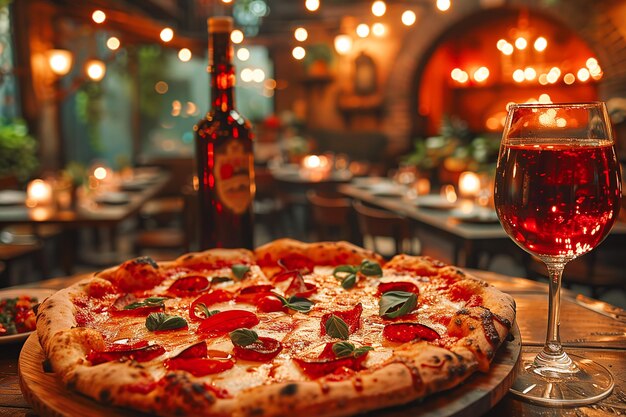
Brick-oven pizzerias typically charge between $14 and $24 for a pie, depending on toppings and size. They source quality flour and often age dough for 48 hours or longer. This style dominates in Midtown and near the Plaza District, where younger demographics and higher foot traffic support the higher ingredient costs. The trade-off: longer wait times, smaller production volume, and menus that change seasonally.
Chain pizza in the Oklahoma City metro covers Pizza Hut, Domino's, Little Caesars, and Papa John's locations scattered across all zip codes. Pricing runs $8 to $16 per pie for basic options, with delivery as the main draw. Speed and availability are the advantage; consistency is reliable but marginal. Most households within the city limits have at least three chain locations within 10 minutes.
Pan pizza and thicker-crust options appear at regional spots, particularly those with Italian-American family roots. Expect $12 to $18 for a pie. These businesses typically sit on the northwest side and near Paseo Arts District, where they've held locations for 20 to 30 years. Their advantage is a stable customer base and proven recipes; their limitation is they rarely expand or modernize decor.
Slice-and-fold shops, common in Bricktown and near the Film District, charge $3 to $5 per slice. This is entry-level pizza for grab-and-go consumption, minimal seating, and walk-in traffic.
Neighborhood Patterns
Midtown concentrates the newest brick-oven operations. This district (roughly bounded by NW 23rd Street, NW 50th Street, Western Avenue, and the I-35 corridor) has seen the most investment in high-end pizza in the past five years. Foot traffic is highest here on weekends, and reservations are common at the established spots. Plan for $16 to $22 per pie before tax and tip.
Paseo Arts District, centered on NW 30th Street between NW Grand Boulevard and NW Walker Avenue, holds established pizza businesses alongside galleries and coffee shops. These venues tend toward pan pizza, thicker crusts, and dinner-house atmospherics rather than fast casual. Parking is street-level and can be tight on First Friday evenings. Pricing here is mid-range: $12 to $16.
Bricktown, the historic warehouse district along Sheridan Avenue and Main Street, hosts slice shops and higher-volume casual operations. These locations depend on convention traffic, tourists, and weekend bar crowds. Slices move quickly, and you won't spend more than $25 for two people. The aesthetic leans entertainment-district modern rather than neighborhood-driven.
Northwest Side, particularly along Western Avenue north of NW 50th Street, contains older Italian-American establishments that have survived demographic shifts. These are family-run businesses with loyal regulars, limited marketing presence, and menus that have changed little in a decade. Pricing is fair ($11 to $15 for a pie), quality is consistent, but the space often feels dated. This is where you find pan pizza as the house style, not the novelty.
What Changes the Experience
Crust fermentation is the clearest technical divider. Long cold fermentation (48 to 72 hours) produces tang and structural strength that fast-rise dough cannot match. Brick-oven spots and a few high-end casual places do this; chains and volume shops do not. If crust character matters to you, ask whether dough is pre-fermented.
Topping sourcing matters more than most diners realize. Places that list their cheese source or meat suppliers (look for language like "imported mozzarella" or "locally cured sausage") are usually signaling real ingredient investment. Oklahoma City's Midtown spots often highlight this; chains and older shops rarely do.
Oven type affects both flavor and speed. Brick or wood-fired ovens produce char and crust texture that conveyor belts cannot replicate. Gas deck ovens (common in regional chains) split the difference. Conveyor ovens (typical for delivery chains) maximize consistency and speed but flatten crust development. The type determines whether you're eating pizza or eating efficiently.
Seating and timing differ sharply by category. Slice shops are transactional, 5 to 10 minutes in and out. Casual pizzerias expect 45 minutes to an hour, with moderate noise and families. Brick-oven fine-casual spots run 60 to 90 minutes and assume you're staying for a full meal, often with wine or beer. Chains deliver to your home or occupy 20 minutes in a dining room.
Price-to-Quality Reality Check
A $18 pie from a brick-oven shop with 72-hour dough, imported cheese, and wood-fired cooking is not twice as expensive as a $9 chain pizza because of marketing. The ingredient cost difference alone typically runs $3 to $4 per pie. Labor, rent, and utility costs at a brick-oven shop in Midtown also exceed those at a high-volume chain kitchen. You're paying for different products.
That said, a $12 to $15 pan pizza from an established northwest-side shop often outperforms a $16 Midtown pie in terms of value, depending on what appeals to you. The newer operations trade on novelty and neighborhood prestige; the older ones trade on reliability and portion size. Neither is objectively better.
Chain pizza becomes sensible when you need volume (feeding a group), speed (dinner in 30 minutes), or delivery logistics. Judging a chain pizza as mediocre misses the point; it's solving a different problem than a brick-oven operation is.
The Practical Move
Start by identifying what matters: speed, ingredient quality, crust character, neighborhood vibe, or cost. If you want fermented crust and care about toppings, Midtown is your default. If you want reliable pan pizza with a no-frills setting, the northwest side delivers. If you want a slice and quick exit, Bricktown has you covered. If you want pizza delivered while you do something else, chains are the only rational choice.
Oklahoma City's pizza market is not competitive on innovation or national reputation. It is functional and varied enough that you can find what you're after without luck. Know which neighborhood matches your priority, and you'll land closer than browsing alone will get you.