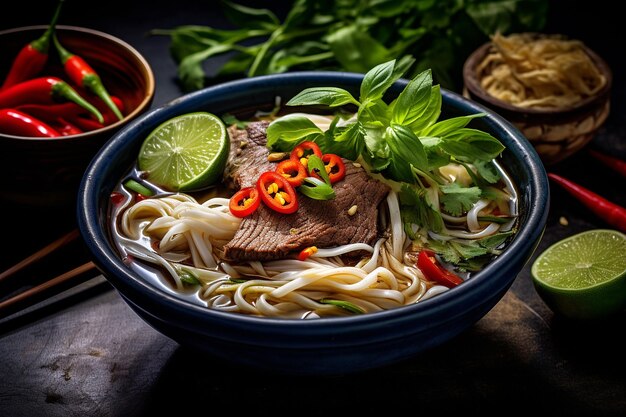
Where to Find Authentic Pho in Oklahoma City
Oklahoma City's pho landscape centers on two neighborhoods: Midtown (roughly NW 23rd to NW 36th, between Meridian and Classen) and an emerging cluster near the Paseo Arts District. This guide covers what distinguishes each approach to the broth-based noodle soup, where to go based on what you want, and why pho's presence here reflects larger patterns in the city's Vietnamese restaurant development.
The Midtown Core and Lunch-Service Realities
Midtown holds the highest density of pho establishments, with most operating on a lunch-heavy schedule. This matters practically: if you're planning dinner, arriving after 8 p.m. carries real risk of finding the kitchen closed or supplies depleted. Lunch service typically runs 10:30 a.m. to 2:30 p.m., with dinner from 5 p.m. to 8 or 9 p.m. depending on the restaurant.
Pho places in Midtown generally compete on broth quality and bone depth rather than novelty. A proper beef pho broth (pho bo) requires 12 to 24 hours of simmering beef bones, knuckles, and aromatics. Some Midtown restaurants source bones from local distributors; others maintain arrangements with suppliers serving the broader regional Vietnamese population. This choice affects flavor noticeably: a broth made from bones held in cold storage longer tends toward murkiness and flatter depth compared to fresher stock rotated daily.
The price band for a large bowl of pho at established Midtown locations runs $9 to $12. Smaller bowls cost $7 to $9. A meaningful trade-off exists between restaurants offering complimentary broths and herb plates (fresh basil, cilantro, jalapeños, lime) versus those charging 50 cents to $1 extra. This isn't frivolous: at pho restaurants, the herbs and adjustments the diner adds transform a mediocre broth into something better, so restaurants stingy with the herb plate force you to pay for customization.
Broth Profiles and What They Signal
Most Midtown pho operations fall into two broth styles. The first emphasizes clarity and minerality: a golden-hued broth with prominent star anise and cinnamon notes, often lighter on the umami. This broth appeals to diners who want to taste the noodle, beef, and aromatics separately. The second style is darker, more unctuous, with beef flavor dominating the spice profile. Neither is wrong, but they indicate different kitchen philosophies. A lighter broth often signals a restaurant prioritizing consistency and daytime service volume. A darker, richer broth usually means the kitchen is making smaller batches and expecting diners to linger.
Chicken pho (pho ga) appears less frequently than beef pho in Oklahoma City but tends to be worth ordering when available. The broth cooks faster (6 to 8 hours versus 18 to 24), so freshness becomes an asset rather than a liability, and restaurants rarely charge less than $1 to $2 below beef pho price despite lower ingredient cost. This signals either low volume on the chicken variety or a restaurant's unwillingness to cannibalize beef pho sales. Vegetarian broth options exist but remain uncommon in the city; most Midtown restaurants prepare vegetable pho on request with overnight notice.
Noodle Quality and the Texture Test
Pho noodle quality divides between restaurants that receive fresh noodles daily and those using dried or frozen stock. Fresh rice noodles have a more tender bite and absorb broth more effectively. They're also more perishable, requiring the restaurant to make or receive them in small batches. Dried or frozen noodles are stable and cheaper but require different cooking technique to avoid gumminess. If a noodle tastes slightly mealy or bloated rather than silken, dried noodles were likely used.
One actionable test: ask whether the restaurant makes its own noodles. If the answer is "yes, daily" or "we receive fresh noodles from [a named supplier in the area]," the kitchen is probably attentive to texture. If the response is vague or the server doesn't know, assume frozen.
Secondary Proteins and Customization Depth
Beef pho comes with different protein options. Standard beef is cooked by the customer in the broth at table (rare or medium slices added just before eating). Restaurants differ on whether rare beef arrives paper-thin (optimal for quick cooking and texture) or slightly thicker (a sign the kitchen is being cautious about food safety, which is prudent). Rarer proteins include brisket or tendon that have been braised separately. Some Midtown locations offer beef knuckle or marrow bone as add-ons for $2 to $4. These are not gimmicks: marrow bone adds fat and richness if you're getting a light broth, and tendon offers textural complexity.
The number of protein options available signals kitchen depth. A restaurant offering only standard beef pho is fine for volume service. One offering rare beef, well-done brisket, tendon, and knuckle is demonstrating recipe complexity and supply-chain sophistication that most casual pho shops don't maintain.
The Paseo Arts District Emerging Option
One pho-serving restaurant near the Paseo operates with shorter hours and a dining model less focused on rapid turnover. This restaurant positions itself adjacent to the visual arts and design community there rather than competing on volume with Midtown. Broths are made in smaller batches (often 4 to 6 hours of simmering), creating a less traditional profile but sometimes more approachable for first-time pho diners. Pricing reflects the neighborhood premium: $12 to $14 for a large bowl. The trade-off is idiosyncratic scheduling; calling before visiting is necessary.
Practical Ordering and Accompaniment
Pho service in Oklahoma City assumes you will adjust the broth and noodles yourself. The herb and condiment plate always arrives separate. Add herbs directly to the broth or use them as a textural foil between spoonfuls. Sriracha and hoisin sit at the table; some diners add these, others don't. This isn't decorative choice; these sauces change the broth's salt and sugar balance noticeably. Sriracha adds heat and acidity. Hoisin adds sweetness and a darker umami. Most Midtown restaurants serve a small lime wedge; squeeze it into the broth before eating the noodle.
Spring rolls or banh mi appear on most menus as starters. Spring rolls come fresh or fried; fried versions are crunchier and absorb broth faster if dunked. Fresh rolls are lighter and do not work well in pho broth. Banh mi is distinct from pho entirely, serving as a sandwich rather than a soup course.
When to Go and What to Expect
Visit Midtown pho restaurants between 11 a.m. and 1 p.m. on weekdays for the largest herb selections and fastest service. Weekend lunch (11 a.m. to 2 p.m.) is busier but the kitchen usually maintains quality. Dinner requires arriving by 7 p.m. to ensure full availability. Expect to spend 20 to 30 minutes from arrival to first spoonful, longer if the restaurant is at capacity.
Most Midtown locations have limited seating (12 to 16 tables) and do not take reservations. Going solo or in pairs makes seating easier than larger groups. Takeout is standard and the pho travels well in plastic containers if you're eating within 15 minutes; beyond that, the noodles begin absorbing excess broth and lose their intended texture.
Oklahoma City's pho restaurants exist to serve the city's Vietnamese community first and curious diners second. This means the menus stay stable, prices stay low, and novelty isn't a priority. If you want to know how pho tastes when made at volume for people who eat it regularly, Midtown is the answer.