What to Expect From Panda Express Locations Across Oklahoma City
Panda Express operates multiple locations throughout Oklahoma City, and understanding how these restaurants fit into the local fast-casual dining market requires looking at both their operational consistency and how they compete with other quick-service options in the metro area. This guide covers what you'll find at Panda Express in Oklahoma City, where the locations sit geographically, pricing relative to comparable chains, and whether the format makes sense for your needs versus alternatives.
Oklahoma City Locations and Service Model
Panda Express has established itself in Oklahoma City through a distributed model rather than a single flagship location. The chain maintains presence in high-traffic zones: near shopping centers on the northwest side, in midtown near entertainment districts, and in suburban corridors where foot traffic from retail environments drives customer volume. These aren't destination restaurants. They're convenience plays designed to capture customers shopping nearby or passing through on their way elsewhere.
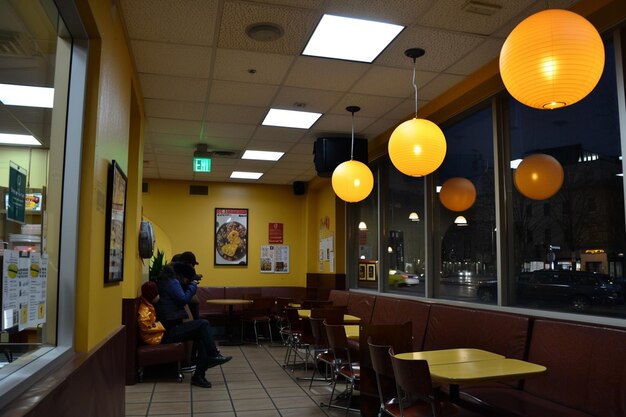
Each location operates on the fast-casual assembly line model. You order at a counter, watch your food prepared in an open kitchen, and receive it within 5 to 10 minutes. Most Oklahoma City Panda Express locations remain open until 9 or 10 p.m. on weekdays, extending slightly later on weekends, which aligns with shopping center hours rather than evening dining schedules. Dine-in seating exists at most locations but typically accounts for 20 to 30 percent of business; the majority of transactions are takeout or delivery through third-party apps.
Price Structure and What You're Paying For
A typical entree at Panda Express in Oklahoma City ranges from $8 to $11, with combination plates (entree plus rice or noodles and a side) running $10 to $13. This positions the chain directly between traditional quick-service restaurants like McDonald's and more expensive fast-casual concepts like Chipotle. The portion size leans generous for the price, particularly when ordered as a combination.
The value proposition hinges on consistency rather than sourcing or culinary ambition. Panda Express uses centralized supply chains and standardized recipes, meaning a Sizzling Shrimp plate tastes nearly identical whether you order in Oklahoma City or any other market. This consistency appeals to customers seeking reliability but frustrates those who expect regional sourcing or seasonal menu variation. Local farm-to-table concepts or independent Asian restaurants in Oklahoma City's Midtown district offer different quality and ingredient stories, but they cost 40 to 60 percent more.
Competitive Context in Oklahoma City's Quick-Service Landscape
Within Oklahoma City's fast-casual dining sector, Panda Express competes most directly with Chipotle, Qdoba, and local ramen shops rather than traditional Chinese restaurants. Chipotle locations in Oklahoma City (Bricktown, Midtown, and several suburban zones) charge $9 to $12 for base entrees but charge additional fees for protein upgrades and guacamole, pushing final totals closer to $14 to $16. Panda Express includes protein in the base price and doesn't charge extra for sauce modifications.
Local Vietnamese and authentic Chinese restaurants scattered throughout Oklahoma City's metro area, particularly clusters in areas like Edmond and northwest Oklahoma City, offer significantly better ingredient quality but require seated dining and 30 to 45 minute commitments. They also operate on different economic models; these independent operators have substantially higher labor and rent costs and price accordingly.
The key distinction: Panda Express serves speed and predictability. It doesn't serve cuisine. Understanding this category difference matters when deciding if a location fits your actual need on a given occasion.
Operational Realities and Delivery Integration
Most Panda Express locations in Oklahoma City accept orders through DoorDash, Uber Eats, and Grubhub in addition to direct counter service. Delivery adds 30 to 50 percent to your final cost due to app fees and driver commissions, making a $10 entree into a $15 transaction. This pricing differential is important: delivery works for convenience emergencies, not regular budget dining.
Peak hours cluster between 11:30 a.m. and 1 p.m. (lunch) and 5:30 to 7 p.m. (dinner rush). Counter waits can stretch to 15 minutes during these windows, particularly at locations near shopping centers. Early lunch (11 a.m. to 11:15 a.m.) or late lunch (1:30 p.m. onward) significantly reduces friction.
The service model also means limited customization. You can request modifications, but the kitchen operates on production principles rather than order-by-order cooking. Substitutions take longer and sometimes aren't available depending on prep status.
Menu Strategy and What Performs Well
Panda Express's Oklahoma City menu reflects national offerings with no regional adaptations. The Orange Chicken remains the highest-volume item across all locations, accounting for roughly 25 to 30 percent of entree sales. It's reliable but not remarkable; the appeal is familiarity rather than quality.
Other consistent performers include Beijing Beef, Sizzling Shrimp, and hot ones (Mapo Tofu, Kung Pao Chicken). Cold appetizers like cream cheese rangoon move steadily as add-ons. The side selection (fried rice, noodles, various steamed vegetables) provides moderate variation but follows predictable formulas.
The menu hasn't fundamentally changed in Oklahoma City over the past five years. New limited-time offerings cycle through, but core items remain stable. This consistency appeals to returning customers but doesn't create menu-driven visit motivation.
Making the Decision
Choose Panda Express in Oklahoma City when you need fast food that's not a burger, when you're near a location and have limited time, or when you want certainty about what you'll receive. Don't choose it expecting restaurant-quality Asian cuisine or unique local character. Don't choose it via delivery unless speed justifies paying 40 to 50 percent premiums.
For serious Asian cuisine exploration in Oklahoma City, redirect toward established Thai, Vietnamese, or authentic Sichuan restaurants in Midtown or northwest corridors. For fastest execution, Panda Express delivers. These aren't contradictory; they're categorical differences. Understanding the difference determines whether a visit feels satisfying or disappointing.