Packard's Brings Elevated Comfort Food to Midtown Oklahoma City
Packard's occupies a specific niche in Oklahoma City's restaurant market: a steakhouse that treats meat as the centerpiece but doesn't demand formal dress or a special-occasion budget. Located in the Midtown district along Reno Avenue, the restaurant competes against higher-priced steakhouses downtown and casual burger spots scattered across the metro, positioning itself as middle ground for diners who want quality cuts and technique without pretension.
What Sets Packard's Apart in Oklahoma City's Steakhouse Landscape
Oklahoma City's steakhouse options break into clear tiers. The top end includes establishments in Bricktown and the central business district charging $45 to $65 for prime cuts, often with white tablecloths and wine lists that anchor the dining experience. At the opposite end, casual burger restaurants and barbecue joints throughout neighborhoods like Edmond and Norman serve beef but prioritize speed and informality. Packard's operates in the middle, offering dry-aged beef and house-made sides without the ceremony or the price ceiling of fine dining.
The Midtown location matters tactically. Unlike downtown steakhouses that draw business dinners and tourists, Midtown attracts residents from surrounding neighborhoods—Mesta Park, Heritage Hills, and nearby Uptown—who are looking for something beyond casual but still walkable and unpretentious. The restaurant benefits from foot traffic along Reno Avenue and proximity to other Midtown establishments that create an evening destination rather than a single-purpose stop.
The Menu Structure and Execution
Packard's menu centers on beef cuts cooked over an open flame, a cooking method that demands consistency because there is nowhere to hide. The technique matters: high heat, proper doneness control, and rest time separate a competent steakhouse from a forgettable one. The menu includes standard cuts (ribeye, New York strip, filet) alongside less common selections that rotate based on availability and sourcing.
Sides function as more than accompaniments here. House-made preparations for potatoes, vegetables, and sauces indicate whether a steakhouse treats the full plate as the product or merely the steak itself with additions. Packard's approach includes attention to these components, which distinguishes it from steakhouses where sides feel assembled rather than intentional.
The wine program reflects the restaurant's positioning: a list large enough to support serious drinkers but approachable enough that casual diners aren't overwhelmed. Oklahoma wine selection at mid-tier steakhouses often defaults to California and imported options; local or regional representation remains rare enough that when present, it signals thoughtfulness about sourcing.
Price and Value Context
Packard's pricing sits below the top tier of Oklahoma City steakhouses but above casual beef restaurants. An entrée typically ranges from $32 to $55 depending on cut selection and market conditions, with sides ordered separately or included as part of a prix fixe option. This structure allows diners to control their spend: a modest meal might land around $50 to $65 per person before drinks and tax, while a full experience with premium cuts and wine easily reaches $100 to $130 per person.
For comparison, fine-dining steakhouses in the Plaza District and downtown regularly charge $60 to $75 for entrées before sides, pushing total checks substantially higher. Conversely, steakhouse-quality beef at barbecue joints costs $20 to $35 but arrives without the controlled cooking environment or plating that a full-service restaurant provides. Packard's positions the value as technique and environment rather than rarity or luxury branding.
Service Model and Dining Atmosphere
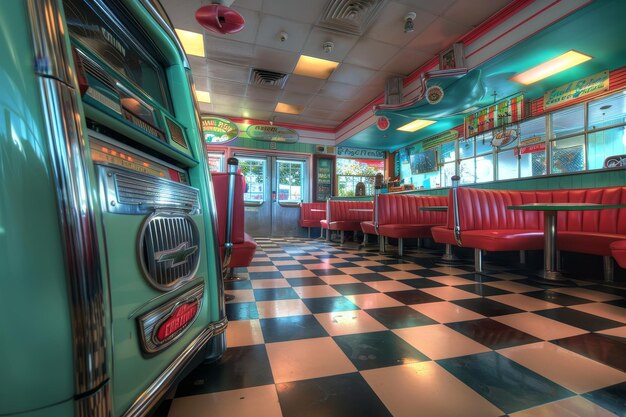
The restaurant operates on a full-service model, not a counter order or fast-casual structure. This means dedicated servers, table management, and pacing designed around a multi-course experience rather than throughput. The bar setup and open kitchen design common to contemporary steakhouses create visual engagement, allowing diners to observe the cooking process.
Midtown's after-work and weekend dining patterns mean Packard's fills predictably on Friday and Saturday evenings but remains quieter earlier in the week, a typical distribution for neighborhood restaurants outside downtown. This affects the dining experience: busier nights bring energy but also longer waits and tighter table spacing, while quieter nights allow more deliberate service and conversation.
Practical Considerations for Different Dining Occasions
For business dinners within Oklahoma City, Packard's works particularly well when the goal is impressing a client without the formality of top-tier establishments. The food quality is legitimate, the setting permits conversation, and the price point remains defensible for a business meal without feeling extravagant.
For date nights or celebrations, the atmosphere supports occasion-marking without requiring a tuxedo or prior reservation anxiety. Couples and small groups constitute the primary customer base during peak hours.
For diners trying to understand Oklahoma City's restaurant landscape, Packard's represents the emergence of neighborhood-focused establishments that reject both casual-only and fine-dining-only positioning. This middle tier has grown in cities like Austin and Denver over the past decade; Oklahoma City's development of similar restaurants indicates maturation beyond the downtown concentration that defined the city's dining for years.
Practical Takeaway
If you want a steakhouse meal in Oklahoma City that doesn't require downtown, formal dress, or a $200 check per person, Packard's delivers competent execution in the Midtown neighborhood where several dining options cluster together. The trade-off is simplicity: you're paying for beef and heat, not an elaborate tasting menu or celebrity chef designation. Call ahead for weekend reservations rather than arriving speculatively.