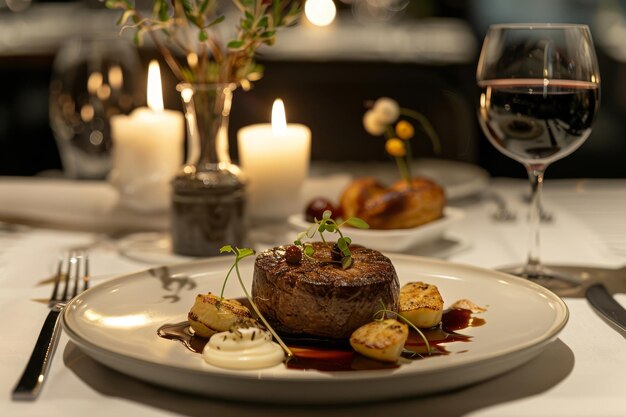
Where to Find Serious Steaks in Oklahoma City
Oklahoma City's steakhouse tradition runs deeper than casual fine dining. The city's cattle ranching history and the proximity of major livestock operations in western Oklahoma have created a particular expectation: steakhouses here prioritize beef quality and straightforward preparation over theatrical plating or fusion concepts. This guide covers the steakhouse landscape across Oklahoma City's main dining districts, identifying which establishments justify their price points and which suit specific occasions.
The Bricktown Standard
Cattlemen's Steakhouse operates in the Stockyard City area south of downtown, a location that anchors its identity to Oklahoma's ranching heritage. The restaurant sources beef from regional distributors and maintains a house-aged program, though specifics on aging duration vary seasonally. Expect to pay $42 to $58 for a 12-ounce ribeye, with a full bar and wine list weighted toward American producers. Seating runs formal, and the kitchen executes straightforward techniques: butter-basted steaks, simple sides, no reduction-heavy sauces. This suits the audience looking for a conventional special-occasion meal rather than experimentation.
Cattlemen's anchors the Stockyard City district, which also houses the National Cowboy & Western Heritage Museum and functions as Oklahoma City's historical node for cattle-trade themed tourism. The restaurant draws both local business diners and out-of-state visitors seeking an "Oklahoma experience," which sometimes dilutes the kitchen's consistency during peak hours.
The Upscale Downtown Corridor
The Skirvin, a luxury hotel in Bricktown, houses a steakhouse operation that departs from the regional-identity-focused model. The menu emphasizes wet-aging in a dedicated cooler visible from the dining room, dry-aged ribeyes at premium pricing ($58 to $72 for a 14-ounce cut), and a sommelier-curated wine program. Side dishes run toward composed plates rather than simple potatoes and vegetables. Service operates under fine-dining protocols with captain oversight.
The Skirvin's steakhouse serves a different audience than Cattlemen's: business travelers, celebrations requiring elevated presentation, and diners prioritizing wine pairing over beef-centric simplicity. The Bricktown location places it within walking distance of the Myriad Botanical Gardens and the Entertainment District's broader restaurant concentration, making it convenient for those already downtown.
Mid-Range and Neighborhood Options
Ted's Cafe Escondido operates across multiple Oklahoma City locations, with a steakhouse-adjacent menu that combines grilled beef with Mexican and Southwestern elements. A carne asada or grilled skirt steak runs $18 to $26, positioning it as an accessible entry point for diners seeking quality beef without steakhouse pricing or formality. The approach trades the single-protein focus of traditional steakhouses for versatility and casual seating, and it dominates the casual dinner segment where many households actually spend food budgets.
Paseo Arts District has absorbed newer casual-fine-dining concepts in recent years, though dedicated steakhouses remain sparse in the neighborhood. The district's dining model leans toward chef-driven seasonal cooking rather than the beef-centric formula.
What Drives Price Variation
A $50 steak and a $70 steak from two Oklahoma City restaurants reflect real differences in sourcing and aging, not just positioning. The distinction matters for diners planning budgets. Most Oklahoma City steakhouses in the $40 to $60 range source from regional beef distributors with 28 to 35-day aging protocols. Premium establishments aging beef 45 to 60 days shift the flavor profile toward funkier, more mineral notes, a preference unevenly distributed across diners. Regional sources (Oklahoma, Kansas, Nebraska ranches) command price premiums over commodity beef, and many restaurants list ranch sources on menus or wine lists to justify those premiums to informed buyers.
Wine markups also diverge. Casual steakhouses apply 3x bottle cost to retail; upscale operations often apply 2.5x or less, particularly on American wine lists. A diner ordering a $60 bottle at Cattlemen's typically pays closer to $180; the same bottle at The Skirvin may cost $150. This changes the math for wine-focused dinners.
Reservations and Timing
Oklahoma City steakhouses observe distinct seasonal and weekly patterns. Cattlemen's and downtown establishments handle Friday and Saturday dinner rushes that compress between 6:00 and 8:00 p.m.; calling ahead or booking online on these nights prevents 45-minute waits. Lunch service at traditional steakhouses runs lighter, particularly Tuesday through Thursday, and represents better value for ribeye-focused diners willing to adjust timing.
The Stockyard City location of Cattlemen's sits slightly outside central Oklahoma City (south on South Agnew Avenue near the Stockyards and Livestock Exchange), requiring intentional travel rather than convenient walkability from downtown hotels or office districts. The Skirvin's Bricktown address integrates more naturally into urban bar and restaurant crawls.
Making the Choice
Select Cattlemen's for regional identity and tradition-focused beef preparation, particularly for first-time visitors or diners seeking the "Oklahoma cattle country" narrative. Book The Skirvin for wine-pairing dinners and celebrations where composed plating and sommelier input enhance the experience. Use Ted's Cafe Escondido for weeknight steaks without the formal structure or expense. Budget $55 to $75 per person (including cocktail or wine, before tip) at traditional steakhouses; $30 to $40 at casual alternatives; and $90 to $120 at upscale fine-dining steakhouses.
Reservations are essential on weekends at established steakhouses. Call or book online at least two days ahead rather than arriving without confirmation.