Where to Eat Ramen in Oklahoma City: Broth Types, Neighborhoods, and What Changes Seasonally
Ramen in Oklahoma City splits into two distinct experiences: quick counter service with limited broths that prioritize speed and consistency, and seated restaurants where broth simmers for 12+ hours and menu rotation follows ingredient availability. This guide covers which neighborhoods have ramen, what broth styles actually exist here, and how to choose based on what you're after rather than proximity alone.
The Ramen Landscape in OKC
Oklahoma City's ramen scene is concentrated in Midtown and Bricktown, with one notable outlier in Edmond. Unlike major coastal cities, OKC has no ramen hall or ramen-only restaurant; instead, ramen appears as a secondary or tertiary offering in Japanese or Asian fusion restaurants. This means availability is narrower, but it also means most ramen here carries less competition pressure, so restaurants make choices about broth and execution rather than chasing volume.
The city has roughly four establishments that serve ramen as a core menu item, not a curiosity. All operate with limited broth varieties—usually two to three rotating options—rather than the five-plus-broth model you'd find in Denver or Portland.
Tonkotsu and Miso: The Dominant Styles
Most ramen in Oklahoma City centers on tonkotsu (pork bone broth, typically milky white) and miso (fermented soybean paste base, usually tan to rust-colored). Tonkotsu requires 18–24 hours of simmering pork bones at a rolling boil, which is labor-intensive and ties up equipment; miso broths take 4–8 hours and allow more flexibility for restaurants managing other menu items. This economics shape what you'll find: expect miso more often, especially during service changes or ingredient constraints.
Shoyu (soy-based, clear to amber) appears occasionally but less frequently than in other markets. Chicken-based broths are rare in OKC ramen; when they appear, they're usually described as lighter alternatives rather than traditional styles.
Midtown: Highest Density and Seasonal Menu Rotation
Midtown between NW 23rd and NW 36th streets contains the highest concentration of ramen-serving restaurants. Two establishments here offer ramen year-round with seasonal broth swaps. One uses tonkotsu as its winter standard (roughly November through March) and switches to a lighter shoyu or chicken broth in summer. Broths here typically run $12–$16 for a bowl before tax and tip.
This seasonal rotation reflects an overlooked detail: ramen broth weight and richness are tied to appetite. Winter tonkotsu satiates differently than summer miso, and most OKC restaurants track this shift implicitly rather than promoting it loudly. Call ahead in early September or late May if broth type matters to your visit; menus often don't publicize these changes until the switch happens.
Noodle texture also shifts with broths. Thinner, straighter noodles pair with lighter broths; thicker, slightly wavy noodles work with tonkotsu. OKC restaurants typically source noodles from regional distributors rather than making them on-site, which limits customization but ensures consistency within their chosen profile.
Bricktown: Limited but Reliable
Bricktown's ramen options number two: one Japanese restaurant with a small ramen section, and one pan-Asian spot where ramen competes with pho, pad thai, and rice bowls for kitchen attention. The Japanese restaurant here has held miso and tonkotsu as standing broths for over three years with minimal change, which means predictability but also static menu development. Bowls run $13–$15.
The pan-Asian option treats ramen as one of many noodle formats and rotates broths monthly based on ingredient cost and prep capacity. This restaurant's ramen is cheaper ($10–$13) and less refined in execution; broths taste less developed because they lack dedicated prep time. Use this option if you're ordering ramen incidentally as part of a larger meal, not as your main course.
Edmond: Single Outlier with Shoyu Focus
One restaurant in Edmond, roughly 20 minutes north of downtown OKC, offers ramen with a deliberate shoyu broth program. This is the only venue in the metro area that treats shoyu as primary rather than seasonal accommodation. Bowls here run $14–$17 and arrive with nori (seaweed sheet), menma (fermented bamboo shoots), and a half egg. Broths here simmer for 10 hours and remain on menu year-round. Travel time makes this a destination rather than a casual meal, but it's the most specialized ramen in the region.
Protein and Topping Choices
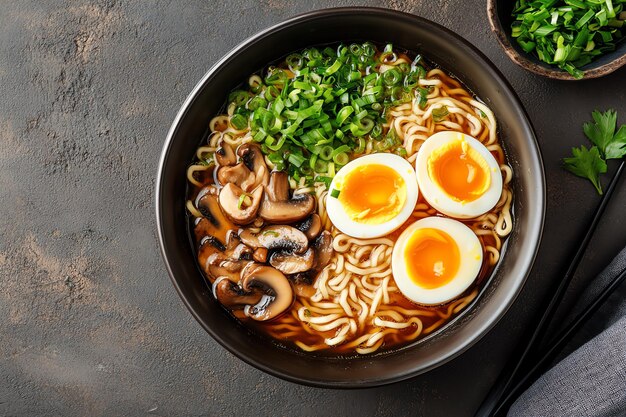
Most OKC ramen bowls include pork chashu (braised pork belly, sliced thin) as standard. Chicken chashu appears sometimes as a lighter alternative but not everywhere. Vegetarian broths exist at one Midtown location, made by simmering shiitake, kombu, and vegetable scraps; these run the same price as meat broths but with less body and shorter simmer times (5–6 hours). Soft-boiled eggs come standard at the Edmond location and one Midtown spot; other restaurants charge $2 extra for egg.
Toppings vary by restaurant. Expect green onion and sesame seeds everywhere. Corn, mushrooms, and bamboo shoots appear inconsistently; ask when ordering if specific toppings matter to you.
Timing and Reservation Practicality
Ramen restaurants in OKC do not require reservations, but wait times during lunch (11:30 a.m.–1 p.m.) and dinner (6–7:30 p.m.) often reach 20–30 minutes, particularly on weekends. Midtown locations draw larger crowds; Bricktown and Edmond are slower. Early lunch (11:15 a.m.) or late dinner (after 8 p.m.) significantly shortens waits. Broths typically remain available until close (9–10 p.m. most nights), but ingredient depletion sometimes ends service for specific broths an hour earlier on busy evenings.
What Actually Matters When Choosing
Pick based on broth priority and neighborhood, not restaurant name. If you want tonkotsu, visit Midtown November through March; in summer, call ahead to confirm availability. If you want consistency, choose the Japanese restaurant in Bricktown. If you want the most refined broth, travel to Edmond. If you want affordability as a primary factor, the pan-Asian Bricktown option is defensible but expect less developed flavor.
Ramen in Oklahoma City works best as a deliberate choice rather than a convenience meal. Pick your broth style and neighborhood first, then visit.