Korean Food in Oklahoma City: Where to Eat Beyond the Strip Malls
Korean restaurants in Oklahoma City cluster in two distinct areas with different strengths: Midtown around NW 23rd Street hosts the largest concentration, while Bricktown and Downtown have sparser options. This guide covers the meaningful differences between them so you can choose based on what you're after, whether that's a full meal experience, quick lunch, or specific dishes.
The Midtown Korean Corridor
NW 23rd Street between NW 16th and NW 27th has become the de facto Korean dining zone. This matters because density here means restaurants compete on execution rather than novelty. You'll find multiple spots within a few blocks, which is useful if one is full or closed, but also means quality varies noticeably.
Barbecue and table cooking dominate the street. Korean barbecue requires committing 60 to 90 minutes and spending $18 to $28 per person on protein alone (sides and rice are additional). The tabletop grills, ventilation systems, and turnover rates differ enough that the same dish tastes materially different between locations. Some Midtown restaurants charcoal-grill; others use gas. Charcoal produces more intense, uneven heat and deeper browning; gas is hotter and more uniform. You notice this on short ribs and brisket, where temperature control determines whether meat is tender or slightly tough. If you have a strong preference, call ahead and ask which method they use.
Lunch service in Midtown runs 11 a.m. to 2 p.m., with dinner starting at 5 p.m. Many places close between lunch and dinner. This timing is tighter than American restaurants and affects your planning if you're hungry at 3 p.m.
The trade-off in Midtown is that restaurants here are less decorated and more utilitarian. You'll sit in spaces designed for high volume rather than ambiance. Prices reflect this. A full dinner for two with barbecue rarely exceeds $60 before tip.
Bricktown and Downtown
Bricktown has one Korean restaurant of note, located on the eastern edge near the canal. It's more polished than typical Midtown spots, with table service and a full bar featuring Korean beer and soju. Prices run $15 to $35 per entree, roughly 30% higher than Midtown, and the space feels intentional. This location works if you want a date night or business meal rather than casual eating.
Downtown has minimal Korean presence. If you work or stay in that area, you're traveling to Midtown or Bricktown.
What to Order and Why It Matters
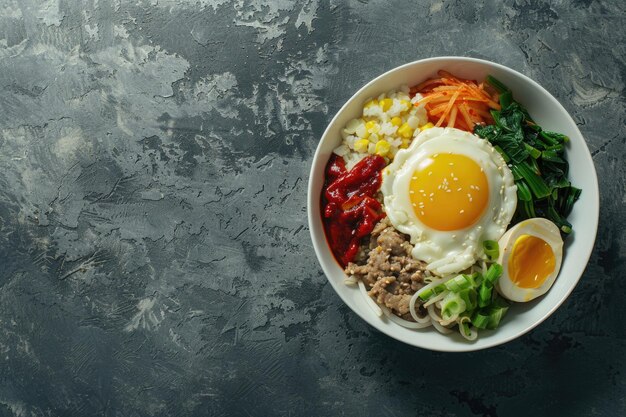
Bibimbap (mixed rice with vegetables, protein, and gochujang) is nearly universal and safe. Most places serve it for $10 to $13. The difference between restaurants is ingredient quality and how hot the stone bowl is when it arrives. A proper stone bowl is genuinely hot, caramelizing the rice bottom. Some restaurants use heated ceramic that cools quickly. This is a real distinction, not a minor detail.
Jjigae (stew) is seasonal and less standardized. Doenjang jjigae (soybean paste stew) is reliable year-round; kimchi jjigae is heavier. Both are $11 to $16 and meant for sharing or eating as a main with rice. These are comfort dishes, not restaurant showcases.
Kimchi and banchan (side dishes) reveal kitchen discipline. Homemade kimchi tastes sharp and alive; store-bought is softer and more one-note. Most Midtown restaurants buy kimchi. Bricktown's restaurant makes theirs in-house, which you can taste immediately. This affects whether a $20 meal feels cheap or fair.
Kalguksu (knife-cut noodle soup) and ramyeon are entry points if you're unsure about Korean food. Both are familiar (noodles in broth), under $12, and quick. Ramyeon is especially fast, 10 to 15 minutes.
Practical Decisions
Timing: Go to Midtown on weekdays at lunch or arrive by 5:30 p.m. for dinner. Friday and Saturday nights, expect 20 to 45 minute waits even at 7 p.m. Bricktown absorbs overflow and takes reservations; call ahead if it's weekend evening.
Party size: Tables in Midtown squeeze groups of four into tight spaces. If you're a larger party, Bricktown's layout is less cramped.
Dietary needs: Vegetarian options exist but aren't a focus. Most Midtown restaurants can make vegetable bibimbap or jjigae, but the menu and server knowledge around accommodations is inconsistent. Bricktown is more reliable here.
Payment: Older Midtown restaurants are cash-only or heavily cash-preferring. Newer ones take cards. Call if you're uncertain. Bricktown takes all methods.
The Practical Takeaway
Korean food in Oklahoma City works best when you treat Midtown as your primary destination. You have choice, speed, and value there. Go to Bricktown when you want environment and service worth paying for, not when you want the best Korean food. The best food is in Midtown's utilitarian strip mall spaces, where restaurants focus on technique rather than decor. If Korean barbecue is your target, call ahead about their cooking method. If you're casual about the experience, bibimbap at any Midtown location will be solid and ready in 20 minutes.