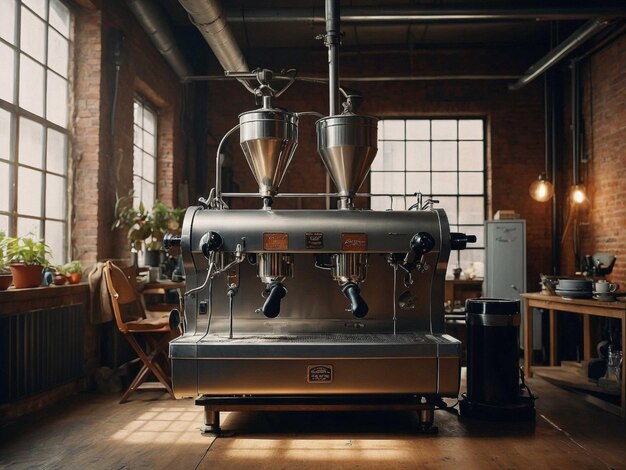
Where Oklahoma City Sources Its Specialty Coffee
The specialty coffee market in Oklahoma City has consolidated around a small number of roasters who control the supply chain from bean purchase through the cup you drink. Understanding which roaster aligns with your priorities—price, roast style, sourcing transparency, or convenience—requires knowing what separates them operationally, not just aesthetically.
The Roasting Landscape
Oklahoma City's coffee roasters fall into two distinct operating models. The first model is the roastery-café hybrid, where roasting happens on-site or in an adjacent facility and retail happens in the same location. The second is roasters who sell primarily through wholesale accounts at other cafés and restaurants across the city, with limited or no direct-to-consumer retail space. This distinction matters because it determines how fresh the coffee is when you buy it, what you pay, and whether you can watch the roasting process.
Most of Oklahoma City's roasted coffee consumed in the metro area comes from roasters operating within the city limits rather than imported from out-of-state roasteries. This concentration means the roasting decisions made by a handful of operators shape the entire local coffee culture toward certain flavor profiles and bean origins.
Roast Style as an Operational Choice
Oklahoma City roasters have historically skewed toward medium and dark roasts, reflecting both wholesale demand from restaurants that serve large volumes and the regional preference for coffee with heavier body and lower acidity. This is not arbitrary: a dark roast roasted consistently holds up better in high-volume drip coffee systems used in restaurants and diners, and it masks sourcing inconsistencies that a light roast would expose immediately.
The emergence of specialty third-wave roasting in the city over the past decade has introduced light-to-medium roasts designed to highlight single-origin characteristics, but these remain a smaller portion of total volume. When you see "single-origin" on a menu in Oklahoma City, it is typically available as a pour-over or espresso drink rather than as drip coffee, because the operational demand from cafés for large-batch consistency still favors roasts that are more forgiving.
Where to Source Directly
For consumers who want to buy roasted beans directly from the roastery, the option set is limited. Roasteries operating retail locations in or near Midtown, Bricktown, and the Plaza District tend to offer the shortest time between roast date and purchase. Check the roast date printed on the bag; Oklahoma City roasters typically print this, and bags dated within the past two weeks represent coffee at its optimal extraction window for most brewing methods. Bags older than three weeks have begun losing volatile aromatic compounds, though they remain drinkable.
Roasters who offer both retail bags and wholesale accounts often price retail bags 15 to 25 percent higher than their wholesale price per pound, because they are absorbing packaging costs and forgoing the volume discount structure they negotiate with restaurants. A bag retailing for $16 to $18 at a roastery's café typically cost that restaurant $9 to $11 per pound on contract.
Sourcing Patterns and Transparency
Oklahoma City roasters source beans through coffee importers and brokers in Kansas City, Dallas, and Houston rather than directly from farms or cooperatives in origin countries. This is standard practice for roasters of this scale; direct relationships require volume commitments and quality consistency that smaller roasteries cannot guarantee. A few roasters in the city list their importers on websites or ask customers directly, but most do not volunteer this information. If sourcing transparency matters to your purchasing decision, ask the roaster directly whether they can name the importer, the farm or region of origin, and the processing method. A roaster who cannot answer these questions is working with commodity-grade beans or genuinely does not track their supply chain.
The coffee served in Oklahoma City's higher-end restaurants, particularly in Midtown and Bricktown, typically comes from one of three to four roasters who have wholesale relationships with fine-dining establishments. These roasters command higher wholesale prices because restaurants value consistency and the brand association of a known roaster. A restaurant charging $4.50 for a cup of coffee is usually serving beans that cost that restaurant between $0.75 and $1.25 at wholesale, which supports a roaster's ability to invest in quality control and bean selection.
Wholesale vs. Retail Economics
The most significant operational difference between Oklahoma City roasters is their wholesale footprint. A roaster with accounts at 30 to 50 cafés, restaurants, and offices across the metro generates revenue that allows them to maintain roasting equipment, employ trained roasters, and maintain consistent quality. A roaster operating only a retail location with no wholesale accounts must generate all revenue from foot traffic and online sales, which limits their ability to buy in volume or invest in quality-control infrastructure.
This means that if you find a particular roaster's coffee available at multiple cafés across Oklahoma City, that roaster is likely investing more in consistency than a roaster only selling through their own location. This is not a judgment on quality—a small retail-only roaster may produce exceptional coffee—but it is a structural reality that affects how much money they can spend on sourcing and equipment.
Practical Sourcing Strategy
If you want the freshest coffee from Oklahoma City roasters, buy directly from roasteries in Midtown or the Plaza District on a weekly basis rather than ordering online. Shipping adds time and exposure to light and air. If you prefer the convenience of buying through regular restaurant or café visits, ask your regular café which roaster supplies them and whether that roaster offers retail bags at their roastery location. Many Oklahoma City cafés serve roasted-in-city coffee, and the roaster is often within a 10-minute drive of where you are drinking it.
For those comparing roasters, the roast date and bean origin on the bag matter more than marketing language. A roaster who lists a specific farm, region, or cooperative is making a claim they can back up; a roaster who lists only "premium blend" or "artisan roast" is signaling that they are not competing on sourcing specificity. Both approaches are defensible, but they serve different customer expectations.