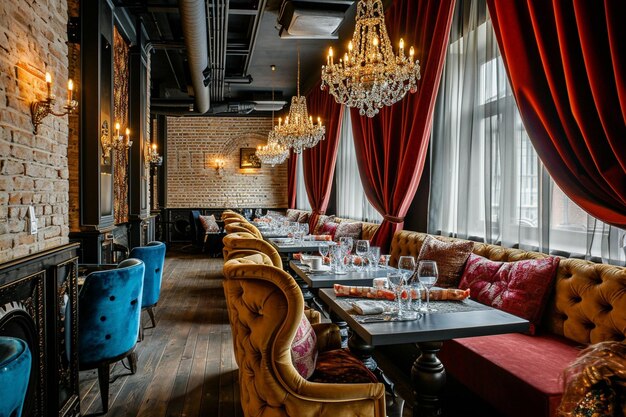
Mahogany Steakhouse: Prime Positioning in Oklahoma City's Upscale Beef Market
Mahogany Steakhouse occupies a deliberate position in Oklahoma City's steakhouse landscape, one defined by cocktail culture and precision butchery rather than cowboy theatricality. This guide covers what distinguishes Mahogany from competing high-end beef destinations in the city, where it fits in the dining hierarchy, and what to expect operationally before booking.
Market Context: Where Mahogany Sits
Oklahoma City supports three distinct steakhouse tiers. The highest end clusters around Bricktown and the Midtown corridor, where Ruth's Chris, The Red Cup, and comparable establishments draw both corporate clientele and special-occasion diners willing to spend $60 to $90 per entree. A second tier emphasizes regional identity and casual luxury, featuring Cattlemen's Steakhouse in nearby Anadarko and locally owned competitors that balance beef quality with approachability. Mahogany operates in the first tier, competing directly on service sophistication and ingredient sourcing rather than on novelty or nostalgia.
The distinction matters operationally. Tier-one steakhouses in Oklahoma City typically require reservations for dinner service, maintain dress codes (business casual minimum, often jacket preferred), and build their economics on wine markups and cocktail programs rather than volume. Mahogany follows this model consistently.
What Sets Mahogany Apart
The most concrete differentiator is the cocktail program. Where many steakhouses treat drinks as an afterthought, Mahogany invests in house-made syrups, fresh citrus programs, and spirit selections that reflect current bartending standards rather than decade-old templates. This matters because Oklahoma City's cocktail scene, concentrated in Midtown and around the Plaza District, has driven expectations upward; a steakhouse that ignores this loses repeat customers in their 30s and 40s with disposable income.
Mahogany's menu structure departs from the all-a-la-carte model common at competing houses. Entrees bundle protein, vegetable, and starch, reducing decision fatigue and creating predictability around final pricing. A ribeye or New York strip runs approximately $50 to $65 depending on weight and current market pricing; filet mignon trends higher. This bundled approach also prevents the sticker shock that occurs when diners add sides and upgrade potatoes separately at other establishments.
The sourcing transparency is stated but worth verifying directly before visit. Ask whether beef is Prime (USDA grading) or sourced from a named regional ranch; the answer reveals how much premium you are paying and what you should expect in marbling and flavor intensity. Prime beef, the assumption at this price point, will show visible fat distribution throughout the cut. Anything less should lower your expectation and possibly your reservation choice.
Service and Pacing Expectations
Steakhouses in Oklahoma City's Bricktown district run significantly different service models than casual restaurants in Midtown or the Plaza District. Bricktown establishments, where Mahogany operates, prioritize structured pacing: cocktail service on arrival, order-taking within 10 to 15 minutes, first plates within 25 to 30 minutes, and total table time of 75 to 90 minutes for dinner. This is not rushed service; it is calibrated to steakhouse economics, where table turns directly affect profitability.
Your server should know the weight and origin of each cut, recommend accompaniments based on preference rather than upsell, and maintain water glasses without being intrusive. If these details fail, the pricing premium is unjustified, and feedback to management is warranted.
Comparison to Immediate Competitors
Ruth's Chris, located also in Bricktown, emphasizes tableside butter and theatrical service presentation. Entrees cost slightly more but come without bundled sides, creating higher final bills despite similar portion sizes. The wine list at Ruth's Chris is deeper and more expensive; Mahogany's strength lies in cocktails.
The Red Cup, in Midtown, positions itself as casual-luxury, with a lower price point (entrees $35 to $50), no dress code, and bar seating for walk-ins. The trade-off is service pacing and meat sourcing transparency; it works well for date nights and group celebrations where atmosphere matters more than steakhouse rigor.
Cattlemen's Steakhouse in Anadarko, roughly 45 minutes southwest, operates a different value proposition entirely: regional heritage, family ownership, and regional Prime beef at lower absolute pricing. The drive is justified only if you prioritize authenticity and history over convenience.
Practical Logistics
Mahogany requires reservations for dinner service; walk-ins risk 45-minute waits or rejection during peak times (Friday and Saturday nights). Lunch service (if offered) may accommodate walk-ins more readily; call to confirm current hours. Parking in Bricktown is abundant but metered; budget for street parking validation or lot fees.
Dress code is business casual minimum; jeans and athletic wear are not accepted. No jacket is required, but one will not seem overdressed. If dining after 8 p.m., wear as you would to a business dinner or upscale cocktail bar.
Payment method matters: confirm whether Mahogany accepts all major cards or maintains cash-only policies, particularly relevant if traveling without digital payment options. Gratuity at tier-one steakhouses in Oklahoma City runs 18 to 22 percent; automatic gratuity for groups of 6 or more is standard and worth confirming when booking.
Decision Point
Choose Mahogany if you prioritize cocktails and consistent execution over menu innovation or theatrical presentation. Choose Ruth's Chris if you want deeper wine options and don't mind higher final costs. Choose The Red Cup if you want steakhouse food at a lower price and are willing to sacrifice service formality. The choice depends on whether you are optimizing for occasion, budget, or specific service elements.